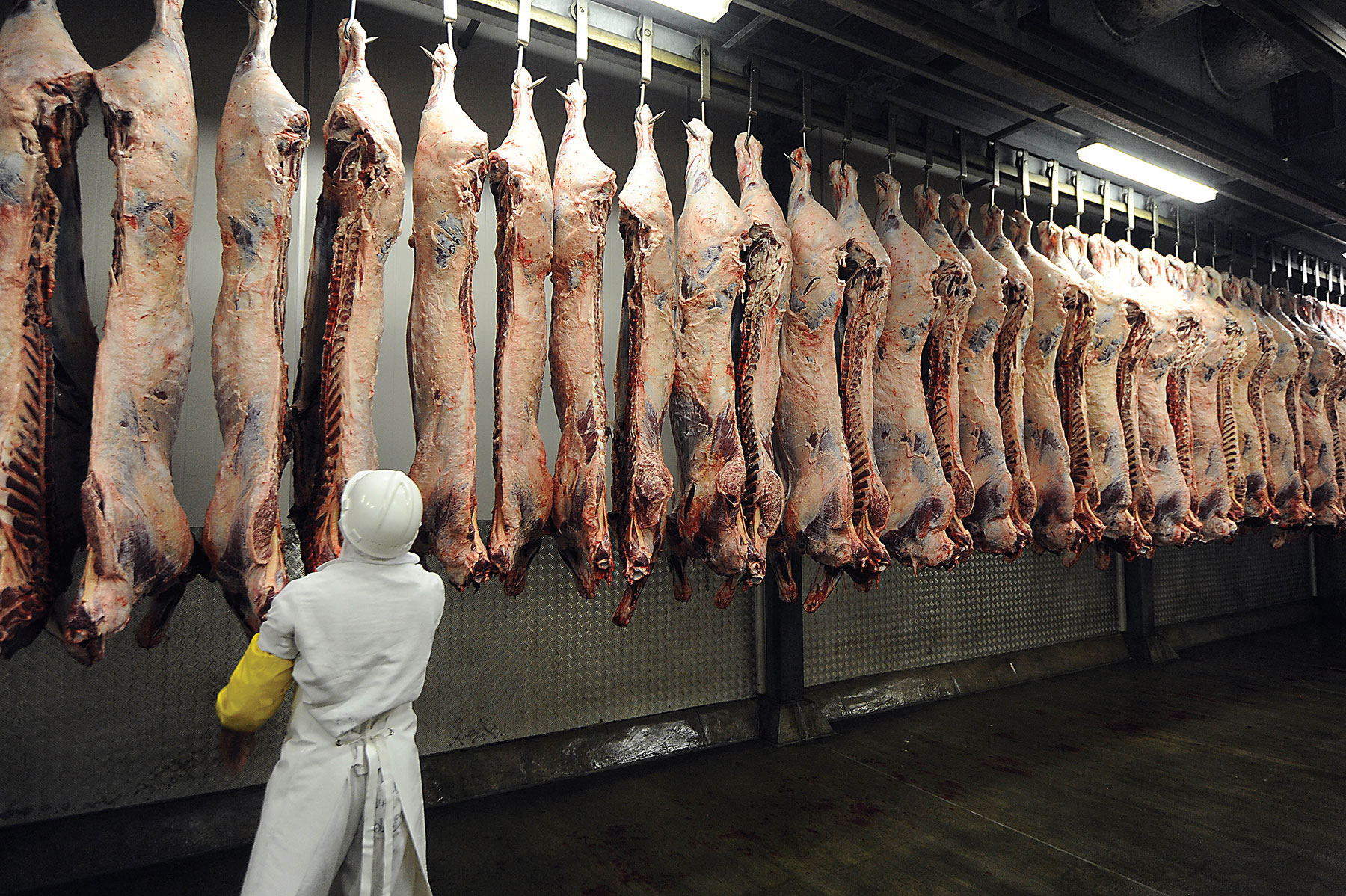
The European Union has temporarily suspended imports of fresh beef from parts of Botswana following confirmed outbreaks of foot and mouth disease in the country’s North East District, a development that reflects global animal health protocols and the vulnerability of export dependent livestock economies in southern Africa.
The decision was formalised through amendments to Commission Implementing Regulation (EU) 2021/404, the regulatory framework that governs the entry of fresh meat products from non EU countries into the European market. The European Commission stated that the amendment reflects the current epidemiological situation in Botswana after a series of confirmed outbreaks among cattle herds.
Botswana’s veterinary authorities first reported a suspected case on 28 January 2026 in a cattle holding located in the North East District. The outbreak was confirmed the following day following laboratory verification. Subsequent reports indicated that additional infections had been detected in several bovine establishments in the same region. A number of these farms are located within veterinary disease control zone 3c, which lies close to zone 6b, an area from which exports to the European Union have already been restricted since 2022 due to earlier disease concerns.



Under the revised regulatory framework, the European Union has suspended the entry of fresh bovine meat from veterinary zone 3c while continuing to permit imports from other approved disease control zones in Botswana where animal health conditions remain compliant with EU requirements. The Commission stated that the measure is consistent with the provisions of the EU Animal Health Law Regulation (EU) 2016/429, which establishes safeguards intended to prevent the introduction of contagious livestock diseases into the Union.
Foot and mouth disease is a highly contagious viral infection that affects cloven hoofed animals including cattle, sheep, goats and pigs. Although the disease rarely poses a direct risk to human health, it can have substantial economic consequences due to trade restrictions, production losses and the costs associated with containment and vaccination programmes.
Botswana has long invested in veterinary surveillance systems and livestock traceability mechanisms that have enabled the country to access premium international markets such as the European Union. Maintaining strict disease control measures has historically been central to sustaining this access, particularly given the stringent sanitary and phytosanitary requirements applied to imported animal products.
The European Commission said the temporary suspension is intended to reduce the risk of introducing the virus into European livestock populations. The decision was adopted following consultation with the Standing Committee on Plants, Animals, Food and Feed, which advises on animal health policy within the European Union.
For Botswana, the development carries economic implications given the importance of cattle production to both rural livelihoods and national export earnings. The livestock sector supports thousands of farmers across the country and forms part of a wider regional agricultural economy that connects producers, processors and export markets throughout southern Africa.
Across the region, veterinary zoning has been used as a strategy to manage livestock diseases while allowing unaffected areas to maintain export eligibility. The approach reflects the complex ecological realities of southern Africa where wildlife, livestock movement and pastoral livelihoods intersect within shared landscapes.

The European Union indicated that the suspension may be reviewed once Botswana demonstrates that the outbreaks have been contained and that the affected zones again meet EU sanitary standards. Until then, veterinary authorities are expected to continue disease control measures including surveillance, movement restrictions and containment protocols.
The situation also highlights ongoing discussions across the continent about strengthening veterinary systems, improving disease monitoring and expanding regional agricultural markets in order to reduce vulnerability to sudden disruptions in global trade.
Cattle production in Botswana and across much of southern Africa remains both an economic activity and a social institution tied to food systems, community wealth and rural identity. As containment efforts continue, attention will likely focus on how veterinary science, regional cooperation and farmer support mechanisms can reinforce the long term resilience of the sector.
The European Commission confirmed that it will continue monitoring the epidemiological situation in Botswana in collaboration with national authorities and international veterinary bodies. Any revision of the current import restrictions will depend on updated risk assessments and evidence that disease transmission has been effectively controlled.