Tuesday, March 10, 2026
  • Login
The Southern African Times
  • Home
  • Southern Africa
  • Business
    • African Start ups
    • African Continental Free Trade Area
  • Technology
    • Lifestyle
      • Health
      • Culture
      • Food and Drink
      • Entertainment
  • Opinion
  • Sports
  • SAT Jobs
    • Events
  • About Us
    • Advertise with Us
    • Contact Us
No Result
View All Result
  • Home
  • Southern Africa
  • Business
    • African Start ups
    • African Continental Free Trade Area
  • Technology
    • Lifestyle
      • Health
      • Culture
      • Food and Drink
      • Entertainment
  • Opinion
  • Sports
  • SAT Jobs
    • Events
  • About Us
    • Advertise with Us
    • Contact Us
No Result
View All Result
The Southern African Times
No Result
View All Result
Home in Southern Africa Democratic Republic of Congo

Eastern DR Congo’s Human Toll Persists One Year After Goma’s Capture

by SAT Reporter
January 28, 2026
in Democratic Republic of Congo, in Southern Africa
0
Eastern DR Congo’s Human Toll Persists One Year After Goma’s Capture

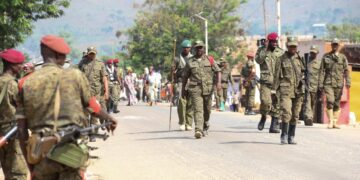
One year has passed since the eastern Congolese city of Goma, a critical urban centre in the Democratic Republic of the Congo’s (DRC) North Kivu Province, was overtaken by the March 23 Movement (M23) rebel group. The events of 27 January 2025 continue to shape both the physical landscape and social realities of this strategically located region, as the humanitarian cost of the ongoing conflict remains profound and unresolved.

On that morning, the sound of heavy gunfire shattered the routine of a city home to over two million residents. Government forces, overwhelmed after days of escalating clashes, retreated as M23 fighters entered the city. In the chaos that followed, daily life disintegrated into survival. Local accounts recall the streets strewn with casualties and entire communities sheltering indoors for days without food, water or access to aid.

Though no longer the epicentre of direct military combat, Goma today remains suspended in a tense limbo, where an uneasy calm coexists with deepening socio economic dislocation. The closure of banks and the airport, both vital lifelines in an already fragile economy, has brought commercial activity to a virtual standstill. Local traders like Adeline Muhanzi report an alarming rise in the cost of goods and a sharp decline in market demand. Financial liquidity is scarce and many civil servants, once dependent on formal payroll structures, have had to adapt to a cashless environment where barter and informal trade predominate.


ADVERTISEMENT

Travel between Goma and the capital Kinshasa now involves circuitous journeys through neighbouring Rwanda or Uganda. For most residents, such routes are prohibitively expensive. This isolation has eroded already limited access to national institutions and services, further entrenching a sense of abandonment.

Sylvain Kasidika, a local resident, captures the mood: the structures that once enabled economic stability have collapsed. Organisations and agencies that previously ensured the circulation of cash are no longer operational. The airport remains closed and the banking system defunct. In response, individuals and families have dramatically reduced their daily expenditure. Former meals of fish have been replaced by vegetables and consumption patterns have been adapted to the constraints of survival.

Women such as Buyana Batende, who has turned to petty trading with the aid of a small community loan, are among the many navigating the razor thin margins of subsistence. Despite her efforts, the absence of a functioning financial system and the broader economic paralysis continue to pose immense challenges for her household.

In the months following Goma’s fall, the M23 has fortified its presence across North Kivu, particularly in the territories of Rutshuru, Masisi and Nyiragongo. It currently maintains control of key border points with Rwanda and Uganda, including Bunagana, which generate significant monthly revenue. According to a December 2025 report by the United Nations Group of Experts, the group has expanded its control over mineral rich territories in South Kivu, securing critical resources used to finance its military operations.

The M23 has recently claimed organisational reforms, including enhanced training for its fighters and a more centralised chain of command. These internal adjustments suggest a long term strategy aimed at consolidating territorial gains rather than preparing for withdrawal.

The DRC government has condemned the M23’s entrenchment, describing it as an externally supported attempt to undermine Congolese sovereignty. In recent diplomatic efforts, Kinshasa has insisted on full withdrawal of M23 forces and the restoration of state authority. However, the group continues to demand direct political dialogue, framing its struggle as a response to deeper governance issues.

Despite multiple mediation initiatives supported by the African Union, Angola, and Qatar, the conflict shows little sign of resolution. Repeated declarations of ceasefire have failed to halt sporadic clashes, particularly in rural areas where the Congolese military maintains a defensive posture. While regional actors including the United States have issued statements urging dialogue, tangible progress on the ground remains elusive.

Observers within the region, including former officials in North Kivu, note that both sides remain entrenched in their positions. The M23 believes it has the strategic advantage while the government resists any overtures that might be interpreted as legitimising an armed movement. This stalemate has narrowed the space for diplomatic compromise.

Although the conflict has often been framed through the lens of military control and mineral exploitation, the human experience remains central. Goma’s residents, whose lives have been upended by war, displacement and economic breakdown, continue to adapt with resilience, even as they face an uncertain future.

A durable solution will require more than ceasefires or elite negotiations. It must include structural reforms that address historical grievances, ensure equitable governance and prioritise the dignity and wellbeing of affected populations. The region’s stability will not emerge from military dominance alone but from inclusive processes that restore trust between the state and its citizens.

In the absence of such a process, the people of Goma and surrounding territories remain on the frontlines of a conflict that, for now, offers no clear exit.

Tags: African UnionCentral Africa conflictDemocratic Republic of the CongoGomahumanitarian situationM23mineral tradeNorth Kivupolitical crisisregional security
Previous Post

Namibia’s Growing Trade Deficit Reflects Structural Economic Realities

Next Post

Moody’s Upgrades Kenya’s Sovereign Credit Rating to B3

SAT Reporter

Related Posts

Lusaka Moves to Safeguard Nationals as Middle East Security Crisis Deepens
in Southern Africa

Lusaka Moves to Safeguard Nationals as Middle East Security Crisis Deepens

by SAT Reporter
March 6, 2026
Volkswagen recalls more than 25,000 Polo Vivo vehicles in South Africa
South Africa

Volkswagen recalls more than 25,000 Polo Vivo vehicles in South Africa

by SAT Reporter
March 6, 2026
Zambia Launches National Branding Campaign to Reposition Its Global Investment Image
in Southern Africa

Zambia Launches National Branding Campaign to Reposition Its Global Investment Image

by SAT Reporter
March 5, 2026
More Than 200 Killed in Coltan Mine Collapse in Eastern Democratic Republic of the Congo
Democratic Republic of Congo

More Than 200 Killed in Coltan Mine Collapse in Eastern Democratic Republic of the Congo

by SAT Reporter
March 5, 2026
Zimbabwe Opens 2026 Tobacco Marketing Season with Value Addition Push
in Southern Africa

Zimbabwe Opens 2026 Tobacco Marketing Season with Value Addition Push

by SAT Reporter
March 5, 2026
Next Post
Moody’s Upgrades Kenya’s Sovereign Credit Rating to B3

Moody’s Upgrades Kenya’s Sovereign Credit Rating to B3

Browse by Category

  • Africa AI
  • African Continental Free Trade Area
  • African Debt
  • African Start ups
  • Agriculture
  • AI Africa
  • Algeria
  • All News
  • Analysis
  • Angola
  • Arts / Culture
  • Asia
  • Botswana
  • BOTSWANA
  • BREAKING NEWS
  • BRICS
  • Burkina Faso
  • Burundi
  • Business
  • Business
  • Business Wire
  • Cameroon
  • Central Africa
  • Chad
  • China
  • Climate Change
  • Climate Changev
  • Community
  • Congo Republic
  • Conservation
  • Côte d’Ivoire
  • COVID 19
  • CRYPTOCURRENCY
  • Culture
  • Democratic Republic of Congo
  • Diplomacy
  • Eastern Africa
  • Economic Development
  • Economy
  • Education
  • Egypt
  • Elections 2024
  • Energy
  • Entertainment
  • Environment
  • Eritrea
  • Ethiopia
  • Europe
  • Fashion
  • Feature
  • Finance
  • Financial Inclusion
  • Food
  • Food and Drink
  • Foods
  • GABON
  • Ghana
  • Global
  • Global Africa
  • Guinea
  • Health
  • Immigration
  • in Southern Africa
  • International news
  • International Relations
  • Ivory Coast
  • Just In
  • Kenya
  • Lesotho
  • Libya
  • Life Style
  • Lifestyle
  • Literature
  • Malawi
  • Malawi
  • Mali
  • Markets
  • Mauritius
  • Middle East
  • Mining in Africa
  • Morocco
  • Mozambique
  • Namibia
  • Niger
  • niger
  • Nigeria
  • North Africa
  • North-Eastern Africa
  • Obituaries
  • Obituary
  • Opinion
  • PARTNER CONTENT
  • Politics
  • Property
  • Racism
  • Rwanda
  • Rwanda
  • SADC
  • SAT Interviews
  • SAT Investigation
  • SAT Jobs
  • Saudi Arabia
  • Senegal
  • Seychelles
  • South Africa
  • South Sudan
  • Sports
  • Startup Africa
  • STOCK EXCHANGE
  • Sudan
  • Sustainability
  • Sustainablity
  • Tanzania
  • Technology
  • Telecommunications
  • The Editorial Board
  • The Power Of She
  • Togo
  • Trade
  • Travel
  • Travel
  • Tunisia
  • Uganda
  • Uncategorized
  • Wealth
  • West Africa
  • World
  • World
  • ZAMBIA
  • Zambia
  • ZIMBABWE
  • Zimbabwe

Browse by Tags

#NewsUpdate #SouthAfrica #SouthernAfricanTimes #TheSouthernAfricanTimes AfCFTA africa African Continental Free Trade Area African development African Development Bank African economy African Union Agriculture Angola Botswana Business China Climate change Cyril Ramaphosa Donald Trump Economic Development economic growth energy transition Finance food security Ghana industrialisation Infrastructure Development International relations Investment Kenya Mozambique Namibia news Nigeria Pan-Africanism Regional Integration renewable energy Rwanda SADC South Africa Southern Africa sustainable development Tanzania Zambia Zimbabwe
ADVERTISEMENT

WHO WE ARE

The Southern African Times is a regional bloc digital newspaper that covers Southern African and world news. The paper also gives a nuanced analysis on news and covers a wide range of reporting which include sports, entertainment, foreign affairs, arts and culture.

Welcome Back!

Login to your account below

Forgotten Password?

Retrieve your password

Please enter your username or email address to reset your password.

Log In

  • Home
  • Southern Africa
  • Business
    • African Start ups
    • African Continental Free Trade Area
  • Technology
    • Lifestyle
      • Health
      • Culture
      • Food and Drink
      • Entertainment
  • Opinion
  • Sports
  • SAT Jobs
    • Events
  • About Us
    • Advertise with Us
    • Contact Us
Are you sure want to unlock this post?
Unlock left : 0
Are you sure want to cancel subscription?