A€50 million guarantee facility has been established to enhance the financial viability of renewable energy investments and expand access to clean electricity across five Southern African countries, including Zimbabwe. The facility is expected to unlock private capital for independent power producers (IPPs) by addressing long-standing credit and sovereign risk barriers that have historically hindered investment in the region’s energy sector.
The initiative is led by renewable energy trader GreenCo, in partnership with Impact Fund Denmark (IFDK) and the European Commission under the European Fund for Sustainable Development Plus (EFSD+). The structure combines a €50 million back-to-back guarantee with an additional US$6 million in first-loss capital contributed by IFDK. This layered financial design strengthens GreenCo’s capacity to meet long-term payment obligations to renewable power producers in Zimbabwe, Zambia, Namibia, South Africa, and the Democratic Republic of Congo.
For Zimbabwe, the guarantee represents a critical shift in energy financing. With the country’s state utility burdened by debt and limited creditworthiness, private investors have often been reluctant to engage without government guarantees. By introducing a structure that substitutes sovereign assurances with a multilateral-backed guarantee, this initiative creates a sustainable pathway for private capital to flow into renewable projects. The goal is to stimulate new capacity additions in a country grappling with chronic power shortages while promoting financial independence from state guarantees.



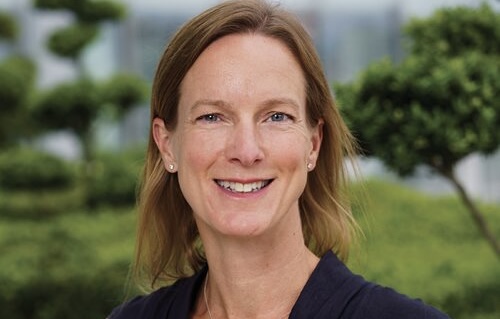
According to Cathy Oxby, GreenCo’s Chief Commercial Officer and co-founder, the initiative demonstrates the potential of market-based solutions to advance Africa’s energy transition. “This guarantee is not just about GreenCo. It is about proving that African power markets can operate effectively without sovereign guarantees,” she stated. Oxby added that the facility is designed to “unlock private investment rather than replace it,” thereby accelerating renewable energy development through innovative risk-sharing mechanisms.

The facility operates as a revolving instrument over a 23-year term, managed by IFDK, which oversees compliance with development and impact metrics. The fund is projected to catalyse more than 500 megawatts of new renewable generation capacity across Southern Africa, a significant contribution toward the region’s decarbonisation and energy security goals.
GreenCo is already an active participant in the Southern African Power Pool (SAPP), which facilitates cross-border electricity trade. By acting as a regional intermediary, GreenCo purchases electricity from renewable generators and resells it to utilities, industrial users, and competitive market platforms, thus improving liquidity and fostering integrated power markets.
GreenCo’s Chief Financial Officer and co-founder, Pug Bennet, described the guarantee as “a bespoke and creative response to perceived investment risks.” He emphasised that the collaboration with the European Commission and IFDK demonstrated “a willingness to develop scalable solutions that are both practical and replicable across Africa.”
Thomas Hougaard, Managing Director of Impact Fund Denmark, underscored the facility’s alignment with the EU’s Global Gateway strategy, which seeks to mobilise private investment for sustainable infrastructure in the Global South. “By backing a regional intermediary such as GreenCo, the European Commission is unlocking investment that delivers clean, affordable, and reliable power to support inclusive economic growth,” Hougaard said.

IFDK, Denmark’s state-owned development finance institution, currently manages approximately DKK18 billion (US$2.84 billion) in assets, with plans to expand to over DKK35 billion (US$5.53 billion) by 2030. Its investment priorities centre on fostering sustainable growth and facilitating the green transition across the Global South.
This guarantee initiative underscores a broader shift in Africa’s energy financing narrative — from dependency on state-backed utilities toward a market-driven framework that values African agency and regional collaboration. It positions Southern Africa not merely as a recipient of external aid but as a participant in a global energy transition driven by innovative partnerships and shared responsibility.