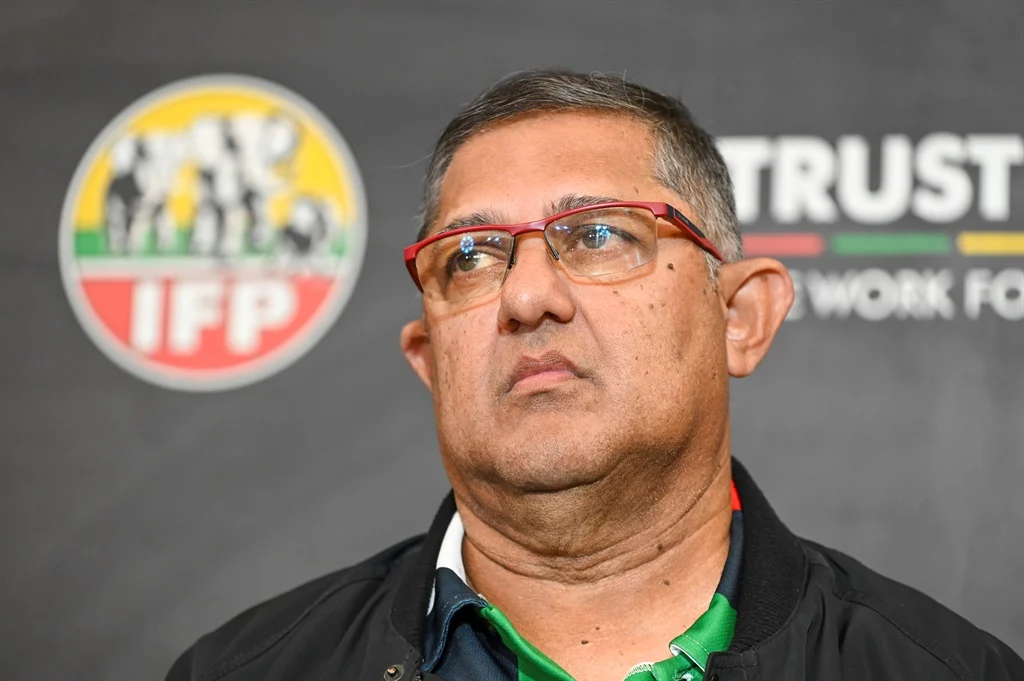
The Deputy Minister of Forestry, Fisheries and the Environment of South Africa, Mr. Narend Singh, inaugurated the Global Environment Facility (GEF) Expanded Constituency Workshop in Johannesburg, Gauteng, on 20 January 2025. The event underscored the pressing need for collaborative efforts to address critical environmental challenges across the Southern African region.
The four-day workshop has convened representatives from 10 Southern African countries, including government officials, international agencies, GEF implementing partners, multilateral environmental agreements, and civil society organisations. The aim is to strategise on sustainable environmental initiatives, leveraging partnerships to achieve long-term benefits for people and the planet.
Mr. Singh highlighted the urgency of united action to combat environmental degradation. “Our environment faces unprecedented challenges, and it is only through collective action, shared knowledge and strategic partnerships that we can turn the tide against biodiversity loss, climate change, and environmental degradation,” he stated.



The Development Bank of Southern Africa (DBSA) also reinforced the role of partnerships in driving sustainable development. Speaking at the workshop, Ms. Lebogang Seperepere, Acting Group Executive for Project Preparation at the DBSA, remarked: “The DBSA is committed to working with global partners like the GEF to address the twin challenges of environmental degradation and climate change. By leveraging our expertise in financing and infrastructure development, we can ensure that projects not only protect our planet but also uplift our communities. This workshop is an important step in fostering collaboration and delivering transformative change across Southern Africa.”
The GEF, a vital supporter of global environmental action, has allocated $136.6 million to the region for the 2022–2026 funding cycle. South Africa alone has received $49.1 million, the largest allocation in the region. Across the ten participating countries—Angola, Botswana, Eswatini, Lesotho, Malawi, Mozambique, Namibia, South Africa, Zambia, and Zimbabwe—there are 123 active projects with a total GEF commitment of $553 million. This has leveraged over $3 billion in co-financing, with 90% of these funds dedicated to biodiversity and climate change initiatives.

Dr. Fred Boltz, Manager of the Programming Division at the GEF, highlighted the importance of such workshops in ensuring resources are used effectively. He noted: “This workshop is a unique opportunity to strategically plan how to maximise our resources for greater impact by strengthening our partnerships with recipient countries, implementing agencies, and civil society organisations. The GEF’s funding and projects in Africa address critical needs such as building more resilient food systems, restoring degraded lands, developing greener cities, managing chemicals and waste, and conserving vital ecosystems and biodiversity.”
Ms. Shahkira Parker, the GEF Operational Focal Point for South Africa, emphasised the significance of this workshop in the context of upcoming GEF 9 replenishment negotiations. She described it as an opportunity for Southern African countries to place regional priorities on the global agenda and further strengthen collaboration with the GEF leadership.
As part of the event, participants will visit a flagship initiative, “Building a Resilient and Resource-Efficient Johannesburg”. This project, implemented collaboratively by the Department of Forestry, Fisheries, and the Environment, the City of Johannesburg, the DBSA, and the United Nations Environment Programme, exemplifies sustainable urban development. It aims to increase access to urban services and improve the quality of life in Johannesburg, reflecting the practical application of GEF-supported initiatives.
The GEF Expanded Constituency Workshop not only serves as a platform to address pressing environmental challenges but also highlights the importance of fostering solidarity and strategic action across borders. With funding allocations and innovative projects already underway, the focus remains on ensuring that these initiatives deliver tangible, lasting benefits for the region’s ecosystems and its people.
In a world grappling with the effects of climate change and biodiversity loss, the collaborative spirit championed by this workshop stands as a beacon of hope and a model for global environmental action.