Tuesday, June 30, 2026
  • Login
The Southern African Times
  • Home
  • Southern Africa
  • Business
    • African Start ups
    • African Continental Free Trade Area
  • Technology
    • Lifestyle
      • Health
      • Culture
      • Food and Drink
      • Entertainment
  • Opinion
  • Sports
  • SAT Jobs
    • Events
  • About Us
    • Advertise with Us
    • Contact Us
No Result
View All Result
  • Home
  • Southern Africa
  • Business
    • African Start ups
    • African Continental Free Trade Area
  • Technology
    • Lifestyle
      • Health
      • Culture
      • Food and Drink
      • Entertainment
  • Opinion
  • Sports
  • SAT Jobs
    • Events
  • About Us
    • Advertise with Us
    • Contact Us
No Result
View All Result
The Southern African Times
No Result
View All Result
Home Environment

Fight to rid Zimbabwe of the colonial legacy of landmines bears fruit

by SAT Reporter
November 15, 2021
in Environment, Just In
0
Fight to rid Zimbabwe of the colonial legacy of landmines bears fruit

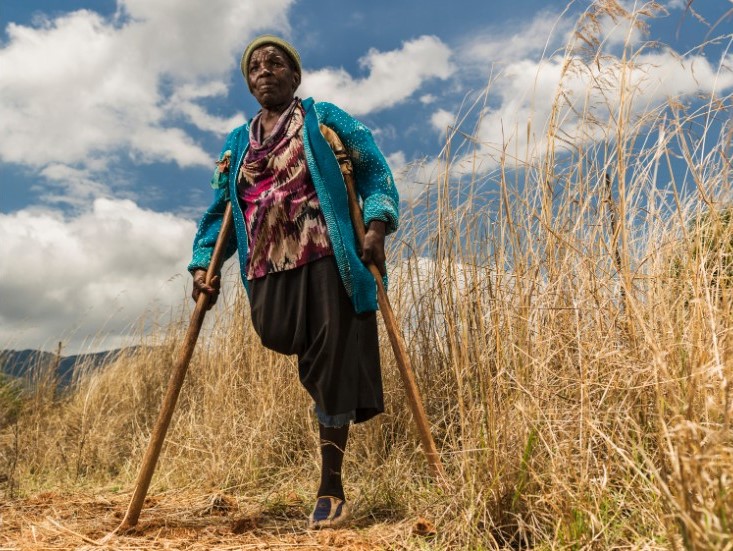
BARRIO CHIUIJO, WEST OF CHIMOIO, MOZAMBIQUE /ZIMBABWE BORDER, 19 NOVEMBER 2013: Requina Jimu, lost her leg in 1987 to a landmine laid by Rhodesian forces in 1972, Mozambique/Zimbabwe Border, West Chimoio, 19 November 2013. Requina lost her husband to a landmine a year later, leaving her handicapped, without any assistance and with 13 children to raise. Requina lost 11 of her children over the years to come, some as a result of her extreme poverty exacerbated by her handicap. "My husband is gone, my children are gone, I have no-one to take care of me. Everything changed when I lost my leg. Now I am a beggar." This region is one of the most densely landmined in the world, effectively cutting off 50% of all arable land for these villages. The landmines were laid by the Rhodesian Military in the early 1970's in Rhodesia's war of liberation. Norweigan Peoples Aid have been demining the area for some time They hope to finish by the end of 2014. (Photo by Brent Stirton/Reportage for the ICRC.)

MOUNT DARWIN, Zimbabwe, Nov. 14 (Xinhua) — Mount Darwin District in Zimbabwe’s Mashonaland Central Province has been declared landmine free following landmine clearance efforts by the government.

The southern African country is one of the most heavily mined countries in the world, where landmines have killed more than 1,500 people and 120,000 head of livestock since Zimbabwe’s independence in 1980.

Belts of landmines were planted by Rhodesian colonial forces along the country’s frontiers between Mozambique and Zambia during the liberation war in the 1970s.


ADVERTISEMENT

The demining of the land will bring relief to the communities across the frontiers, Monica Mavhunga, the minister of state for Mashonaland Central Province, said at the ceremony to hand over cleared lands back to the community in Mukumbura near the Mozambican border.

“It is sad to note that so many people lost their lives. Some lost their livestock and some carry scars as a result of mine related injuries and accidents,” said Mavhunga.

She said that the clearing of the mines will benefit children from nearby schools, who had to dice with death on a daily basis on their way to schools through mine infested areas.

People from neighboring Mozambique who have to go to the Zimbabwean side for education and social services will also benefit from the clearing of the landmines, she said.

Grace Charimba, a villager, said the removal of landmines will enable them to get economic value from their lands.

“There are many handicapped people in our community due to landmines. Our cows also died due to the landmines,” she said.

Over 130,000 landmines have been destroyed in Mashonaland Central Province since 2013, said Samuel Fricker, who is a program manager with demining group Halo Trust.

“It’s up to the communities to decide what they could use the lands for,” he told SAT.

“Some people use the lands for getting access to schools and their fields, and the others used the land for herding their livestock,” he added.

Mkululi Bhika Ncube, director of Zimbabwe Mine Action Center, said the demining exercise is to ensure that Zimbabwe becomes landmine free.

“The entire district is now mine free. It ensures free movement of people, and they can do all they want to do without fear of mines,” he said.

The demining exercise is expected to be completed by 2025, according to the government.

Previous Post

South Africa hails ‘successful’ coal ‘phase-down’ deal

Next Post

Former South African president FW de Klerk will not be buried by the state

SAT Reporter

Related Posts

Waste Colonialism and the Burden of Electronic Waste in Africa
Environment

Waste Colonialism and the Burden of Electronic Waste in Africa

by SAT Reporter
April 10, 2026
South Africa Reports 16 Percent Decrease in Rhino Poaching in 2025
Environment

South Africa Reports 16 Percent Decrease in Rhino Poaching in 2025

by SAT Reporter
February 11, 2026
One in Five Mammal Species Face Extinction in Southern Africa, Regional Report Warns
Environment

One in Five Mammal Species Face Extinction in Southern Africa, Regional Report Warns

by SAT Reporter
January 22, 2026
Investing in Nature Could Unlock Trillions for the Global Economy, Says UN Report
Environment

Investing in Nature Could Unlock Trillions for the Global Economy, Says UN Report

by SAT Reporter
December 10, 2025
Mont-aux-Sources Weather Station Boosts Climate and Water Monitoring
Environment

Mont-aux-Sources Weather Station Boosts Climate and Water Monitoring

by SAT Reporter
December 2, 2025
Next Post
Former South African president FW de Klerk will not be buried by the state

Former South African president FW de Klerk will not be buried by the state

Browse by Category

  • Africa AI
  • African Continental Free Trade Area
  • African Debt
  • African Start ups
  • Agriculture
  • AI Africa
  • Algeria
  • All News
  • Analysis
  • Angola
  • Arts / Culture
  • Asia
  • Botswana
  • BOTSWANA
  • BREAKING NEWS
  • BRICS
  • Burkina Faso
  • Burundi
  • Business
  • Business
  • Business Wire
  • Cameroon
  • Central Africa
  • Chad
  • China
  • Climate Change
  • Climate Changev
  • Community
  • Congo Republic
  • Conservation
  • Côte d’Ivoire
  • COVID 19
  • CRYPTOCURRENCY
  • Culture
  • Democratic Republic of Congo
  • Diplomacy
  • Eastern Africa
  • Economic Development
  • Economy
  • Education
  • Egypt
  • Elections 2024
  • Energy
  • Entertainment
  • Environment
  • Eritrea
  • Ethiopia
  • Europe
  • Fashion
  • Feature
  • Finance
  • Financial Inclusion
  • Food
  • Food and Drink
  • Foods
  • GABON
  • Ghana
  • Global
  • Global Africa
  • Guinea
  • Health
  • Humanitarian Aid
  • Immigration
  • in Southern Africa
  • International news
  • International Relations
  • Investment
  • Ivory Coast
  • Just In
  • Kenya
  • Lesotho
  • Libya
  • Life Style
  • Lifestyle
  • Literature
  • Malawi
  • Malawi
  • Mali
  • Markets
  • Mauritius
  • Middle East
  • Mining in Africa
  • Morocco
  • Mozambique
  • Namibia
  • Niger
  • niger
  • Nigeria
  • North Africa
  • North-Eastern Africa
  • Obituaries
  • Obituary
  • Opinion
  • PARTNER CONTENT
  • Politics
  • Property
  • Racism
  • Rwanda
  • Rwanda
  • SADC
  • SAT Interviews
  • SAT Investigation
  • SAT Jobs
  • Saudi Arabia
  • Senegal
  • Seychelles
  • Somaliland
  • South Africa
  • South Sudan
  • Sports
  • Startup Africa
  • STOCK EXCHANGE
  • Sudan
  • Sustainability
  • Sustainablity
  • Tanzania
  • Technology
  • Telecommunications
  • The Editorial Board
  • The Power Of She
  • Togo
  • Trade
  • Travel
  • Travel
  • Tunisia
  • Uganda
  • Uncategorized
  • Wealth
  • West Africa
  • World
  • World
  • Zambia
  • ZAMBIA
  • Zimbabwe
  • ZIMBABWE

Browse by Tags

#NewsUpdate #SouthAfrica #SouthernAfricanTimes #TheSouthernAfricanTimes AfCFTA africa African Continental Free Trade Area African development African Development Bank African economies African economy African Union Agriculture Angola Botswana China Climate change critical minerals Cyril Ramaphosa Economic Development economic growth energy transition governance industrialisation Inflation Infrastructure Infrastructure Development International relations Investment Kenya Mozambique Namibia news Nigeria Regional Integration renewable energy Rwanda SADC South Africa Southern Africa sustainable development Tanzania United States Zambia Zimbabwe
ADVERTISEMENT

WHO WE ARE

The Southern African Times is a regional bloc digital newspaper that covers Southern African and world news. The paper also gives a nuanced analysis on news and covers a wide range of reporting which include sports, entertainment, foreign affairs, arts and culture.

Welcome Back!

Login to your account below

Forgotten Password?

Retrieve your password

Please enter your username or email address to reset your password.

Log In
  • Home
  • Southern Africa
  • Business
    • African Start ups
    • African Continental Free Trade Area
  • Technology
    • Lifestyle
      • Health
      • Culture
      • Food and Drink
      • Entertainment
  • Opinion
  • Sports
  • SAT Jobs
    • Events
  • About Us
    • Advertise with Us
    • Contact Us
Not enough quota to unlock this post
Unlock left : 0
Are you sure want to cancel subscription?