Friday, July 3, 2026
  • Login
The Southern African Times
  • Home
  • Southern Africa
  • Business
    • African Start ups
    • African Continental Free Trade Area
  • Technology
    • Lifestyle
      • Health
      • Culture
      • Food and Drink
      • Entertainment
  • Opinion
  • Sports
  • SAT Jobs
    • Events
  • About Us
    • Advertise with Us
    • Contact Us
No Result
View All Result
  • Home
  • Southern Africa
  • Business
    • African Start ups
    • African Continental Free Trade Area
  • Technology
    • Lifestyle
      • Health
      • Culture
      • Food and Drink
      • Entertainment
  • Opinion
  • Sports
  • SAT Jobs
    • Events
  • About Us
    • Advertise with Us
    • Contact Us
No Result
View All Result
The Southern African Times
No Result
View All Result
Home African Debt

Debt-distressed African countries set to attract private investment by 2024: Report

by SAT Reporter
April 28, 2023
in African Debt
0
Debt-distressed African countries set to attract private investment by 2024: Report

Debt-distressed African countries are expected to achieve successful debt restructurings and attract new waves of sustainability capital through private investment by 2024, according to a new report by Pangea Risk. The report argues that transparency in debt, good fiscal and monetary governance, and honest bilateral relations with creditors are indicators of effective debt treatments, while multilateral debt relief initiatives, such as the G-20’s Common Framework, have failed African countries.

The report cites Angola as an example of a model for African countries to chart a way out of debt, while Zambia and Mozambique provide “worst case” examples. The authors predict that at least three major African sovereigns will successfully restructure their debt in 2023 in order to avoid a default scenario by 2024. These countries are Ghana, Kenya, and Nigeria, which are each seeking a bespoke treatment of their obligations.

Kenya and Ghana are expected to achieve successful debt restructurings through extended maturities on foreign currency obligations, domestic loan swaps in exchange for concessional finance, and limited haircuts for some bondholders. In the case of Nigeria, an external restructuring is seen as improbable, but a domestic debt swap is said to be on the cards, despite concerns over its legality.


ADVERTISEMENT

The report highlights that African countries need to strengthen the policy environment to ensure more private sector investment, “in particular sticky foreign direct investment (FDI) flows.” Mechanisms such as credit ratings, which restrict private finance and development funding in many countries, should be more reflective of local sovereign debt conditions, the political climate, and efforts to enhance debt sustainability. The authors argue that managed debt restructuring should be encouraged by creditors and future investors, rather than disavowed by credit rating agencies.

Multilateral debt treatment mechanisms such as the G20’s Common Framework have demonstrated “little worth in offering debt relief beyond the Paris Club [terms for relief set by wealthy lending countries] and should be reformed to address African countries’ more complex debt profiles”, according to the report.

The report finds that debt-distressed African sovereigns that have successfully undergone a managed debt treatment coordinated by multiple stakeholders, such as Angola, will be better positioned to benefit from private sector investments, including from sustainability and impact-focused investors.

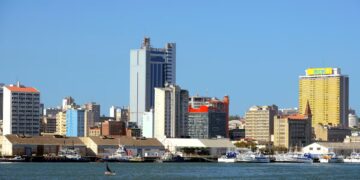
Angola’s debt treatment and IMF programme have set a valuable model for other debt-distressed African countries and emerging markets to follow, while Mozambique’s protracted debt crisis provides a “worst case” example. Multiple debt restructurings in Mozambique since the emergence of its debt crisis in 2017 have been “reactive and often chaotically implemented, bringing little respite to bondholders”, a course that the authors see in other “messy defaults” such as that of Zambia.

“In the case of Mozambique, weak state institutions, lack of fiscal transparency, and poor debt management lie at the root of volatile relations with creditors and slow progress on debt restructuring agreements,” says the report.

The report concludes that African sovereigns that undergo managed debt treatments in 2023 in order to restore their borrowings to a sustainable path will be better positioned to benefit from impact investment in the coming years. It adds that African countries must address the policy environment to ensure more private sector investment, and in particular, “sticky” foreign direct investment (FDI) flows, to tap into an incremental pool of capital from sustainability and impact-focused investors.

Previous Post

Namibia’s Mining Sector Posts Strong Growth in 2022, Boosted by Diamond Production

Next Post

Ghana and Zambia debt relief: Don’t miss out on the context

SAT Reporter

Related Posts

Mozambique Seeks World Bank Budget Support Amid Economic Recovery Push
African Debt

Mozambique Seeks World Bank Budget Support Amid Economic Recovery Push

by SAT Reporter
June 10, 2026
AfDB meeting spotlights Africa’s funding gap amid aid cuts
African Debt

AfDB meeting spotlights Africa’s funding gap amid aid cuts

by SAT Reporter
May 26, 2026
Moody’s lifts South Africa outlook as fiscal position improves
African Debt

Moody’s lifts South Africa outlook as fiscal position improves

by SAT Reporter
May 24, 2026
Ghana, IMF Agree Final Review of $3 Billion Support Programme
African Debt

Ghana, IMF Agree Final Review of $3 Billion Support Programme

by SAT Reporter
May 16, 2026
Macron’s Africa Investment Push Falls Short on Debt Relief
African Debt

Macron’s Africa Investment Push Falls Short on Debt Relief

by SAT Reporter
May 14, 2026
Next Post
Ghana and Zambia debt relief: Don’t miss out on the context

Ghana and Zambia debt relief: Don't miss out on the context

Browse by Category

  • Africa AI
  • African Continental Free Trade Area
  • African Debt
  • African Start ups
  • Agriculture
  • AI Africa
  • Algeria
  • All News
  • Analysis
  • Angola
  • Arts / Culture
  • Asia
  • Botswana
  • BOTSWANA
  • BREAKING NEWS
  • BRICS
  • Burkina Faso
  • Burundi
  • Business
  • Business
  • Business Wire
  • Cameroon
  • Central Africa
  • Chad
  • China
  • Climate Change
  • Climate Changev
  • Community
  • Congo Republic
  • Conservation
  • Côte d’Ivoire
  • COVID 19
  • CRYPTOCURRENCY
  • Culture
  • Democratic Republic of Congo
  • Diplomacy
  • Eastern Africa
  • Economic Development
  • Economy
  • Education
  • Egypt
  • Elections 2024
  • Energy
  • Entertainment
  • Environment
  • Eritrea
  • Ethiopia
  • Europe
  • Fashion
  • Feature
  • Finance
  • Financial Inclusion
  • Food
  • Food and Drink
  • Foods
  • GABON
  • Ghana
  • Global
  • Global Africa
  • Guinea
  • Health
  • Humanitarian Aid
  • Immigration
  • in Southern Africa
  • International news
  • International Relations
  • Investment
  • Ivory Coast
  • Just In
  • Kenya
  • Lesotho
  • Libya
  • Life Style
  • Lifestyle
  • Literature
  • Malawi
  • Malawi
  • Mali
  • Markets
  • Mauritius
  • Middle East
  • Mining in Africa
  • Morocco
  • Mozambique
  • Namibia
  • niger
  • Niger
  • Nigeria
  • North Africa
  • North-Eastern Africa
  • Obituaries
  • Obituary
  • Opinion
  • PARTNER CONTENT
  • Politics
  • Property
  • Racism
  • Rwanda
  • Rwanda
  • SADC
  • SAT Interviews
  • SAT Investigation
  • SAT Jobs
  • Saudi Arabia
  • Senegal
  • Seychelles
  • Somaliland
  • South Africa
  • South Sudan
  • Sports
  • Startup Africa
  • STOCK EXCHANGE
  • Sudan
  • Sustainability
  • Sustainablity
  • Tanzania
  • Technology
  • Telecommunications
  • The Editorial Board
  • The Power Of She
  • Togo
  • Trade
  • Travel
  • Travel
  • Tunisia
  • Uganda
  • Uncategorized
  • Wealth
  • West Africa
  • World
  • World
  • ZAMBIA
  • Zambia
  • ZIMBABWE
  • Zimbabwe

Browse by Tags

#NewsUpdate #SouthAfrica #SouthernAfricanTimes #TheSouthernAfricanTimes AfCFTA africa African Continental Free Trade Area African development African Development Bank African economies African economy African Union Agriculture Angola Botswana China Climate change critical minerals Cyril Ramaphosa Economic Development economic growth energy transition governance industrialisation Inflation Infrastructure Infrastructure Development International relations Investment Kenya Mozambique Namibia news Nigeria Regional Integration renewable energy Rwanda SADC South Africa Southern Africa sustainable development Tanzania United States Zambia Zimbabwe
ADVERTISEMENT

WHO WE ARE

The Southern African Times is a regional bloc digital newspaper that covers Southern African and world news. The paper also gives a nuanced analysis on news and covers a wide range of reporting which include sports, entertainment, foreign affairs, arts and culture.

Welcome Back!

Login to your account below

Forgotten Password?

Retrieve your password

Please enter your username or email address to reset your password.

Log In
  • Home
  • Southern Africa
  • Business
    • African Start ups
    • African Continental Free Trade Area
  • Technology
    • Lifestyle
      • Health
      • Culture
      • Food and Drink
      • Entertainment
  • Opinion
  • Sports
  • SAT Jobs
    • Events
  • About Us
    • Advertise with Us
    • Contact Us
Not enough quota to unlock this post
Unlock left : 0
Are you sure want to cancel subscription?