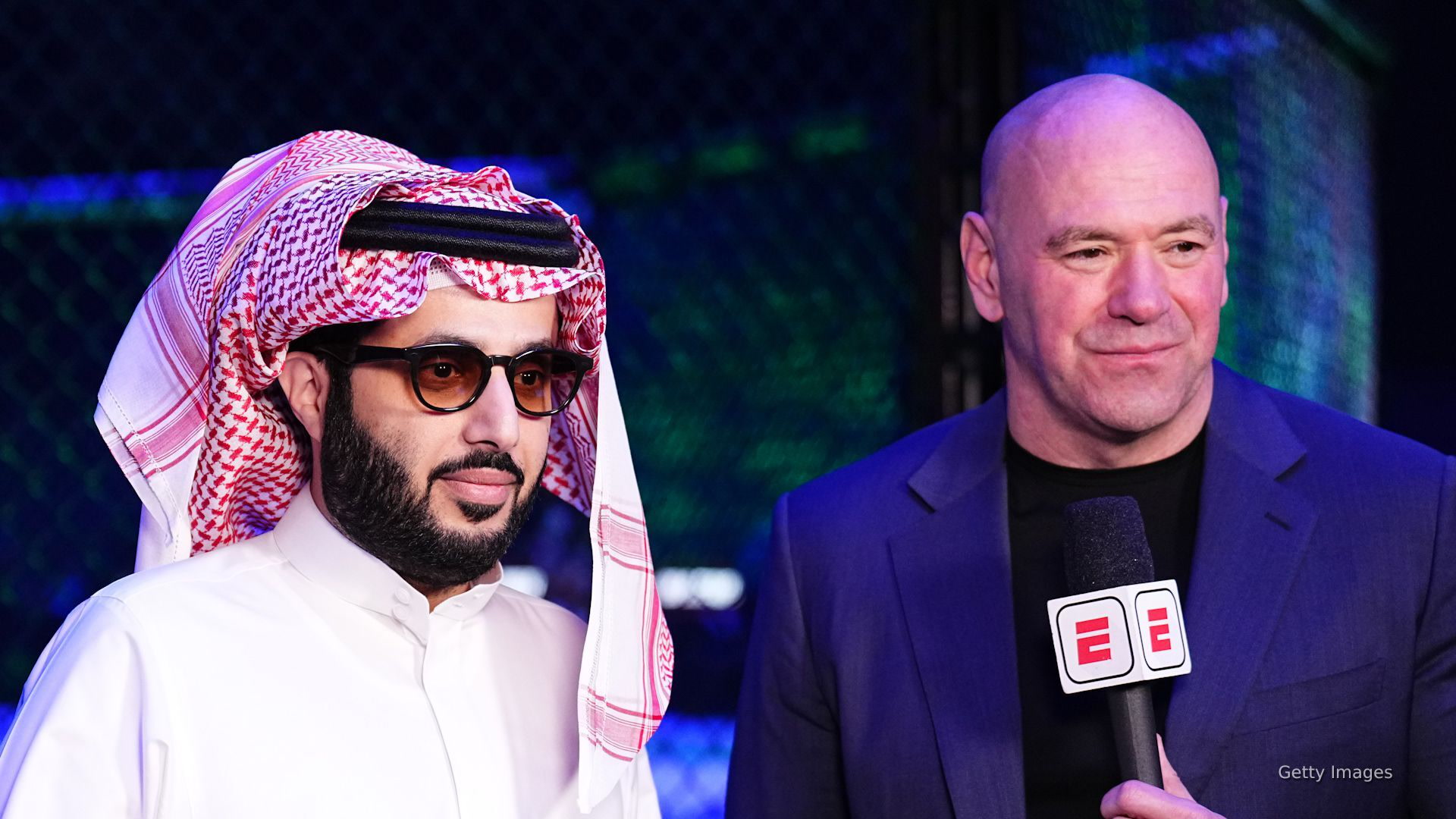
In a bold move poised to reshape the boxing landscape, Dana White, President of the Ultimate Fighting Championship (UFC), has partnered with Saudi Arabia’s Turki Alalshikh to launch a new boxing league under TKO Group Holdings, the parent company of both UFC and World Wrestling Entertainment (WWE).
Turki Alalshikh, who serves as Chairman of Saudi Arabia’s General Entertainment Authority, has played a pivotal role in the nation’s expansion into global sports and entertainment. His collaboration with TKO Group signals a strategic effort to introduce a structured and commercially viable model to the boxing industry.
The proposed league aims to eliminate boxing’s current fragmented structure by mirroring the UFC’s streamlined approach. This includes reducing the number of weight classes to the original eight and recognising a single champion per division, thereby eliminating the multiple-title systems that have long complicated the sport. Dana White articulated this vision, stating, “We’re going to have the basic weight classes that started everything. We will have one champion.”




This initiative has sparked a diverse range of reactions within the boxing community. Oscar De La Hoya, CEO of Golden Boy Promotions and a former world champion, voiced scepticism, remarking, “I felt a little offended because I have been in boxing all of my life. I have been promoting for 20 some odd years now.” However, De La Hoya remains committed to his ongoing projects with Golden Boy and DAZN, focusing on delivering high-quality fights to audiences.
Conversely, Mauricio Sulaiman, President of the World Boxing Council (WBC), has expressed a more receptive stance. He stated, “I have absolutely no concern or no negative views whatsoever. I think anything that comes into boxing is sensational.” His endorsement highlights a potential shift towards greater acceptance of the league within governing bodies.
The financial backing from Saudi Arabia, coupled with TKO Group’s extensive experience in combat sports promotion, positions this venture as a potential game-changer for professional boxing. However, the league’s success will largely depend on its ability to attract elite-level fighters and secure lucrative media rights deals. White acknowledged these challenges, noting, “We got a lot of work to do before we start announcing big things.” (Source)
As the league moves toward its anticipated launch in 2026, its influence on boxing’s traditional structures and major stakeholders will be closely scrutinised. The project represents a concerted effort to modernise and unify a sport that has historically been characterised by its fragmented governance and competing championship titles.