As world leaders, policymakers, and activists gather in Belem, Brazil, for the 30th United Nations Climate Conference (COP30), the weight of both history and urgency hangs heavy. This year’s summit, held from 10 to 21 November in the Amazonian city of Belem, carries deep symbolism and renewed scrutiny. It marks not only three decades since the signing of the UN Framework Convention on Climate Change (UNFCCC) at the 1992 Rio Earth Summit, but also a pivotal test of whether the global community can transform decades of promises into tangible progress.
The Conference of the Parties (COP) is the decision-making body of the UNFCCC, an agreement that laid the foundation for international cooperation to tackle climate change. Embedded in its principles is the notion of “common but differentiated responsibilities” — recognising that industrialised nations bear the greatest burden for emissions that have destabilised the global climate. Thirty years on, this principle remains central, as the global South continues to call for equitable treatment, climate finance, and recognition of historical accountability.
For Brazil, hosting COP30 in the Amazon is both symbolic and strategic. Belem’s proximity to one of the planet’s most vital ecosystems is a reminder of the stakes involved: the Amazon rainforest, long considered the lungs of the Earth, remains threatened by deforestation, industrial extraction, and agricultural expansion. Brazilian officials have sought to frame this COP not as a forum for new promises, but as a space to revisit — and implement — commitments made in earlier summits, particularly the COP28 pledge to phase out fossil fuels.



Unlike previous conferences often dominated by Euro-American narratives, this year’s COP reflects a more multipolar reality. With the United States having retreated from its leadership position in the Paris Agreement earlier this year, emerging economies such as China, India, Brazil, and South Africa have stepped forward to influence the global discourse. The BASIC group — Brazil, South Africa, India, and China — now represents not only a coalition of large developing nations but a reimagining of climate leadership grounded in development justice.

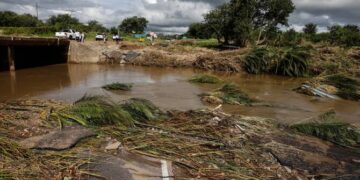
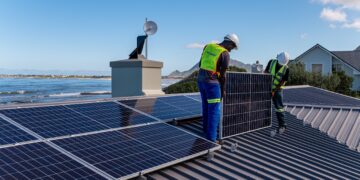
For Africa, COP30 resonates beyond diplomatic symbolism. The continent contributes less than 4% of global greenhouse gas emissions, yet remains disproportionately affected by climate impacts — from prolonged droughts in the Horn of Africa to devastating floods in southern Mozambique and Nigeria. African delegates have long insisted that climate policy must be seen not through a Western moral lens, but through the lived realities of communities bearing the brunt of ecological collapse. The Africa Group of Negotiators is expected to push strongly for renewed commitments on loss and damage financing, green technology transfer, and fairer access to carbon markets — all critical in advancing an equitable energy transition.
The summit’s structure follows a familiar rhythm. The first week involves intense technical negotiations as national delegations lay out priorities and assess others’ positions. The second week brings ministers and heads of state into the discussions to finalise decisions on legal and financial frameworks. These meetings often run late into the night, reflecting the difficult compromises required to balance ambition, equity, and national interests. Consensus, rather than unanimity, governs the process — a delicate mechanism that underscores the complexity of multilateral diplomacy.
Outside the negotiation halls, Belem is alive with civil society movements, indigenous groups, youth activists, and corporate lobbyists. This year, side events have been decentralised, with financiers meeting in São Paulo and local leaders gathering in Rio de Janeiro ahead of the main summit. The move signals a shift towards regional engagement and shared ownership, though critics note it risks diluting pressure on decision-makers.
As the world approaches a future where limiting global warming to 1.5°C appears increasingly improbable, COP30 offers a crucial inflection point. For Africa, the stakes are not merely environmental — they are existential. Climate action here intersects with economic sovereignty, public health, migration, and social stability. The continent’s priorities — from renewable energy investment to adaptation financing — must not remain peripheral in global negotiations.
Whether COP30 succeeds will depend less on new pledges and more on credibility: the capacity of nations to honour past commitments, deliver promised financing, and act collectively in the face of accelerating planetary risk. Belem, standing at the edge of the Amazon, may yet remind the world that climate justice is inseparable from social justice — and that any future worth building must be shared.