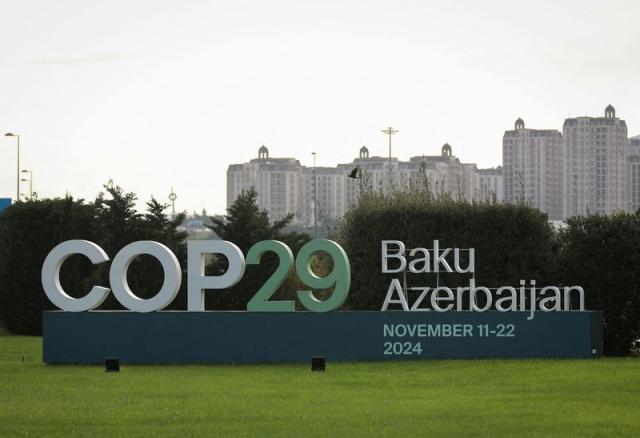
As the countdown to the COP29 climate summit begins in Baku, Azerbaijan, trade tensions loom large over the proposed agenda, with China’s push for the inclusion of trade-related discussions now raising concerns that this could derail crucial climate talks. A draft document seen by Reuters reveals that China has formally submitted a proposal to address carbon border taxes and other trade barriers that Beijing argues disproportionately affect developing countries, especially in the context of the European Union’s carbon border adjustment mechanism (CBAM).
The proposal, submitted on behalf of the BASIC group of countries—Brazil, India, South Africa, and China—seeks to place trade policy at the heart of climate discussions. The issue of carbon tariffs, which are set to take effect in 2026, has drawn sharp criticism from the group. Under the EU’s CBAM, goods such as steel, cement, and other high-carbon products imported into Europe will be subject to a levy based on their carbon content, an initiative designed to incentivise cleaner production methods globally. However, BASIC nations contend that such measures could be harmful to their economies, particularly in industries that are heavy carbon emitters, but critical for their economic growth.
South Africa’s Environment Minister, Dion George, expressed frustration, noting that the BASIC countries would continue to raise the issue at COP29. “We will speak about it relentlessly,” he declared, underlining the belief within the group that climate-related trade policies should be debated within the UN framework. This is a position that directly challenges the European Union’s stance, which has long argued that trade disputes of this nature should be handled by the World Trade Organization (WTO), rather than within the UN climate talks.



The pressure to include trade issues in the agenda of COP29 has sparked immediate concerns among some EU negotiators. They warn that the inclusion of trade discussions could undermine the primary focus of the summit—addressing the climate crisis, especially through financing and the scaling up of emission reductions. One European diplomat remarked that introducing such contentious matters could be a strategy to delay or disrupt progress on essential negotiations, such as securing new funding to combat climate change. The risk, they suggest, is that the procedural wrangling over the agenda may eat into the already limited time available to reach consensus on critical climate action measures.

The potential deadlock over the COP29 agenda is reminiscent of previous UN climate negotiations, where disputes over procedural issues have derailed progress in the past. In 2023, a similar impasse left negotiators unable to agree on the agenda for over a week, effectively stalling talks and thwarting attempts to make headway on both emissions reductions and financial commitments. For diplomats and environmental advocates alike, such a scenario is to be avoided at all costs, as the window to achieve meaningful global climate action narrows.
Despite the challenges posed by the trade-related proposals, there is little question about the urgency of the broader climate agenda. The growing frequency of extreme weather events, the increasing pace of biodiversity loss, and the long-term economic consequences of climate change remain central to the discussions. While trade may provide a divisive flashpoint, the stakes of these talks go far beyond trade tariffs—climate scientists warn that urgent global cooperation is required to meet the Paris Agreement’s goals and avoid the worst impacts of global warming.
However, as the COP29 summit begins, it remains unclear whether delegates will be able to reconcile the competing demands of climate action and trade concerns. With negotiations due to commence on November 11, the world will be watching to see if the inclusion of trade issues can be navigated without compromising the summit’s ultimate goals: securing the financing and agreements needed to tackle the climate emergency and chart a path toward a more sustainable future.