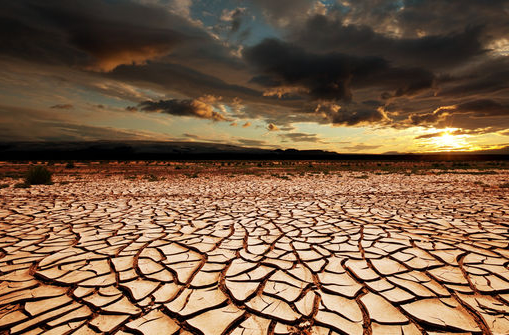
Arecent report by the World Bank Group has highlighted the dire consequences of climate change on Ghana, emphasising the significant risks it poses to both public health and food security. The Climate and Health Vulnerability Assessment (CHVA) for Ghana Report, launched on Tuesday, underscores how climate change is exacerbating extreme weather events, such as floods and droughts, thereby increasing the country’s vulnerability to diseases like malaria and diarrhoea.
The report draws attention to the heightened vulnerability of certain demographic groups, including the elderly, youth, and children, who are increasingly susceptible to health issues related to heat, air pollution, and infectious diseases. It estimates that at least two million people in Ghana are at risk of death due to increased heat and infectious diseases.
Over the past 50 years, Ghana has experienced decreased rainfall and rising temperatures, leading to 22 major climate events, including droughts, floods, wildfires, and storms. These events have affected millions of people and highlight the urgent need for climate-resilient health systems.



Mawuli Dzodzomenyo, the lead author of the report, stressed the importance of the CHVA report in guiding decision-makers to identify areas for improvement and allocate resources effectively for adaptation and mitigation measures. Dzodzomenyo’s expectation is that these measures will contribute to the development of climate-resilient health systems in Ghana.

Robert Taliercio, World Bank country director for Ghana, Liberia, and Sierra Leone, emphasized the critical role of such reports in combating extreme poverty and promoting shared prosperity by ensuring a habitable planet. Taliercio underscored that a healthy population is essential for prosperity and called for the implementation of adaptation and mitigation measures to address current challenges and prevent further adversities.
The World Bank’s focus on producing reports like the CHVA for Ghana underscores its commitment to addressing the multidimensional impacts of climate change and promoting sustainable development in vulnerable regions.

As Ghana grapples with the consequences of climate change, the CHVA report serves as a clarion call for concerted efforts from both local and international stakeholders to prioritize climate resilience in health systems and address the underlying causes of environmental degradation.