Today, as we celebrate the 115th birthday of Dr. Kwame Nkrumah, we not only honour the memory of Ghana’s first president but also reflect on the enduring legacy of one of Africa’s greatest visionary leaders. From his humble beginnings in Nkroful to his role in pioneering African liberation, Nkrumah’s influence continues to shape contemporary African politics, reverberating through modern initiatives such as the African Union’s Agenda 2063, the African Continental Free Trade Area (AfCFTA), and the rhetoric of emerging political leaders such as Julius Malema.
Nkrumah’s dream for a self-reliant, united, and industrialised Africa laid the ideological foundation for contemporary Pan-African movements. His steadfast belief that Africa’s prosperity hinged on its unity and independence from neo-colonial forces continues to guide the continent’s political and economic strategies. “We face neither East nor West: we face forward,” he once declared—a statement that has evolved into a clarion call for the continent to define its future on its own terms.
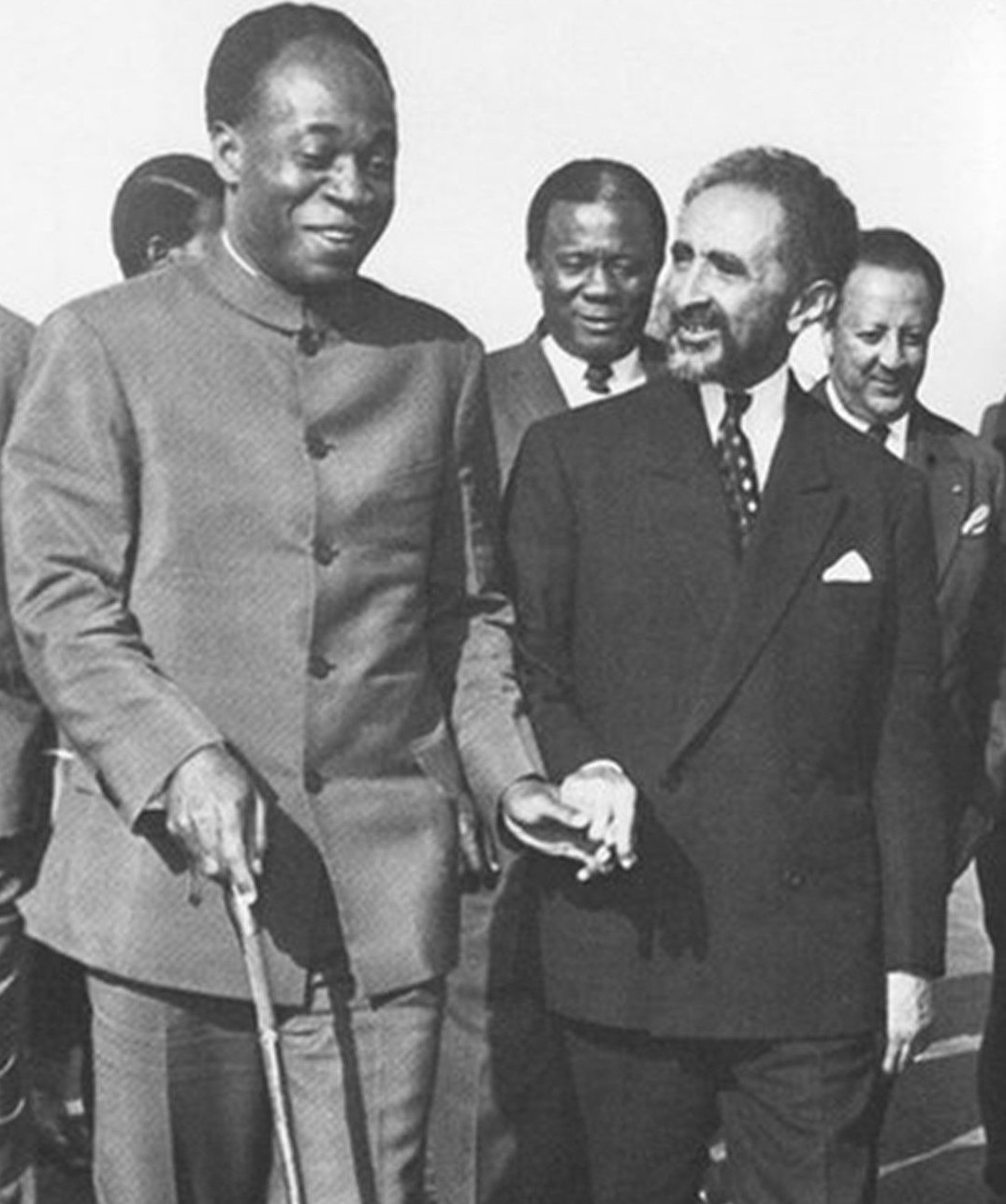
Nkrumah’s Vision and Agenda 2063
Nkrumah’s Pan-African ideals find their modern incarnation in the African Union’s Agenda 2063, a comprehensive roadmap for the socio-economic transformation of Africa over the next few decades. The agenda envisions a continent that is prosperous, integrated, and driven by its own people, with industrialisation at the heart of its strategy. This forward-thinking plan directly mirrors Nkrumah’s vision of a self-sufficient Africa, free from the dominance of foreign powers and committed to achieving economic independence through industrialisation, technology, and innovation.
When Nkrumah advocated for a ‘United States of Africa’, it was not simply a utopian dream, but a blueprint for how Africa could leverage its collective strength to become a global powerhouse. Agenda 2063 seeks to make this vision a reality by promoting regional integration, infrastructure development, and the harnessing of Africa’s vast resources. It is the clearest modern expression of Nkrumah’s long-held belief that Africa’s future lies in its unity and shared purpose.
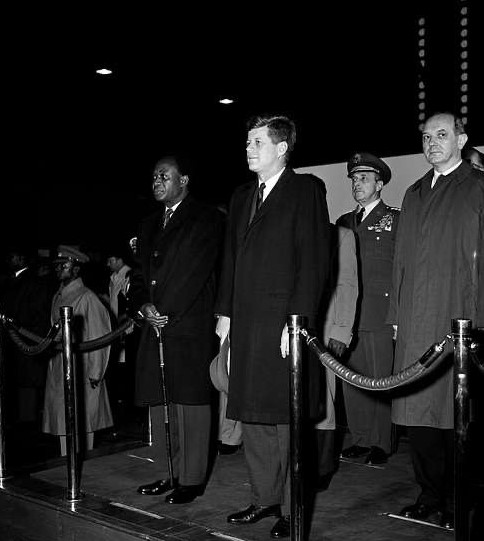
The African Continental Free Trade Area: A Pan-African Triumph
Nkrumah’s legacy also finds resonance in the creation of the African Continental Free Trade Area (AfCFTA), one of the most ambitious and far-reaching economic initiatives in Africa’s history. AfCFTA aims to create the world’s largest free trade area by connecting 54 of Africa’s 55 nations, facilitating the movement of goods, services, and capital across the continent. This is precisely the kind of economic integration Nkrumah envisioned as essential for Africa to harness its full potential and achieve economic sovereignty.
The establishment of AfCFTA is a major step toward realising Nkrumah’s dream of an Africa that trades with itself and reduces its dependency on external powers. It is a tangible manifestation of his belief in the importance of economic unity, offering African nations the opportunity to build resilience against global economic shocks, increase intra-African trade, and foster industrialisation. Through AfCFTA, Africa is forging a new economic narrative—one in which it leads, rather than follows, the global trade agenda.
The Influence of Kwame Nkrumah on Young African Leaders
Nkrumah’s influence extends beyond policy frameworks; his radical Pan-African philosophy continues to inspire a new generation of African leaders, many of whom have adopted his rhetoric and vision in their political agendas. Leaders like Julius Malema of South Africa’s Economic Freedom Fighters (EFF) have openly embraced Nkrumah’s ideals, calling for the economic liberation of African nations and the eradication of the vestiges of colonialism. Malema, often seen as a radical voice in contemporary African politics, echoes Nkrumah’s call for unity, self-reliance, and the redistribution of wealth and land to benefit the masses.
Malema’s stance on nationalising resources and his critique of neo-colonial influence on the continent is a modern reflection of Nkrumah’s fight against economic imperialism. Nkrumah understood that political independence was meaningless without economic freedom, a belief that continues to drive many African political movements today. His advocacy for a united Africa where resources are harnessed for the benefit of Africans themselves has become a cornerstone of political discourse across the continent.
In this sense, Nkrumah’s legacy is not just historical—it is alive in the streets, in the parliaments, and in the rhetoric of today’s leaders who refuse to accept the status quo of inequality and underdevelopment. His unrelenting pursuit of African unity and progress continues to be a source of inspiration for those who fight for an Africa that is free from exploitation and external domination.
Kwame Nkrumah’s Timeless Legacy: A Blueprint for the Future
Dr. Kwame Nkrumah’s legacy remains a powerful reminder that Africa’s destiny lies in its own hands. His vision for a united, industrialised, and economically sovereign continent is more relevant than ever in a global landscape where Africa must navigate the competing interests of powerful nations. Initiatives such as Agenda 2063 and AfCFTA, alongside the passionate advocacy of young leaders like Julius Malema, demonstrate that Nkrumah’s Pan-African dream continues to live on—not just as a historical aspiration, but as a practical blueprint for the future.
As we commemorate Nkrumah’s 115th birthday, we do so with a sense of profound admiration for the man who dared to dream of an Africa that could stand tall on the world stage. His unyielding belief in the power of unity, self-determination, and economic freedom remains a guiding light for all who seek to build a better future for the continent.

In celebrating his life, we honour not only his role as the founder of modern Ghana but also his far-reaching impact on the entire African continent. His ideas continue to shape the trajectory of African politics, offering a timeless roadmap for addressing the challenges of today and tomorrow.
Kwame Nkrumah’s vision was not limited to the pages of history; it is alive in the policies, movements, and leaders who continue to push for the realisation of the Pan-African dream. As Africa faces forward, as he famously urged, we carry with us the enduring legacy of a leader whose profound insights and unwavering commitment to African unity remain a source of inspiration for generations to come.