The Confederation of African Football has announced that it will review and amend its statutes and regulatory framework following the controversy that overshadowed the 2025 Africa Cup of Nations final in Rabat. The decision follows a meeting of the CAF Executive Committee in Cairo and comes at a moment of institutional strain, marked by the resignation of the organisation’s Secretary General and continuing legal uncertainty surrounding the tournament outcome.
The final, contested between Senegal and Morocco at the Prince Moulay Abdellah Stadium on 18 January 2026, became the subject of dispute after Senegal briefly left the field in protest at a penalty awarded to Morocco. Despite returning to complete the match and scoring the decisive goal in extra time to secure a 1 0 victory, Senegal were subsequently deemed by CAF’s Appeal Board to have forfeited the match under Article 84 of the competition regulations. This ruling effectively stripped Senegal of the title, a decision that has generated significant debate across African football communities and institutions.
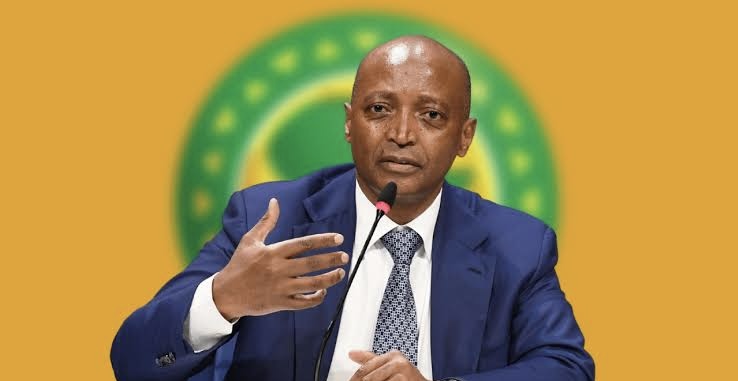
CAF President Patrice Motsepe stated that the organisation has sought extensive legal counsel from African and international experts to ensure that its statutes align with global football governance standards. He emphasised that the intended reforms are designed to reinforce confidence in refereeing, the use of video assistant referee systems and the functioning of judicial bodies within CAF. Further details of the proposed amendments have not yet been made public.




The governing body has acknowledged that perceptions of integrity and consistency remain central to its credibility. In this context, CAF has indicated that it is working in collaboration with FIFA to expand training programmes for referees, VAR operators and match officials across the continent. These efforts are presented as part of a broader project to consolidate professional standards and institutional accountability within African football.
The decision to forfeit Senegal’s result is currently being challenged at the Court of Arbitration for Sport, an independent body that adjudicates international sporting disputes. Should the ruling be overturned, it would carry implications not only for the allocation of the title but also for the authority and procedural coherence of CAF’s internal disciplinary mechanisms. Information on the arbitration process is publicly available through the Court of Arbitration for Sport.
While the controversy has drawn criticism, it has also opened a wider conversation about governance in African football that extends beyond a single fixture. Stakeholders across the continent, including national associations, players and supporters, have increasingly called for transparent regulatory processes that reflect both international standards and the specific institutional realities of African competitions. CAF’s official communications, including its Appeal Board statement available via CAF Online, indicate that reform is being approached as an ongoing process rather than a singular corrective measure.
This moment therefore represents both a challenge and an opportunity for African football’s governing structures. The outcome of the pending legal appeal, alongside the substance of CAF’s forthcoming regulatory revisions, is likely to shape not only the resolution of the 2025 final but also broader perceptions of fairness, legitimacy and institutional maturity within the continental game.