

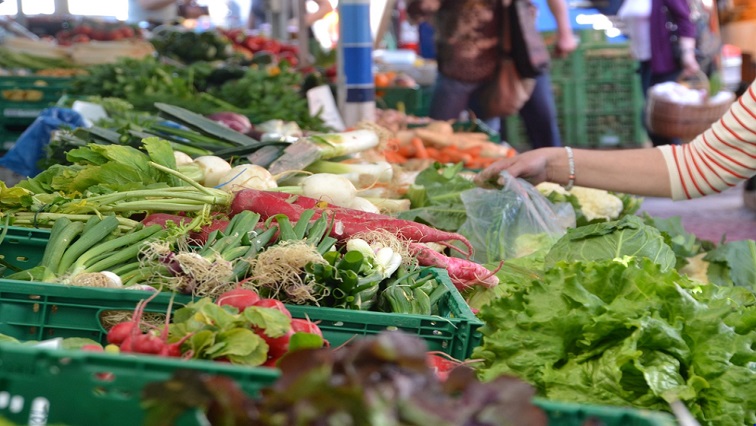
The Botswana government has officially lifted its controversial ban on vegetable imports, which had been in place for several months. This decision marks a crucial turning point for the country’s agricultural sector, as the government seeks to strike a delicate balance between promoting local farming and addressing pressing food security challenges.
The ban, originally imposed to encourage local vegetable production and reduce reliance on imports, had unintended consequences, exacerbating food shortages and driving up vegetable prices. While the policy aimed to bolster domestic agriculture, it left local markets struggling to meet the growing demand for fresh produce. Botswana’s reliance on neighbouring countries, particularly South Africa, for a variety of vegetables became evident as local farmers failed to meet the demand. As a result, the government’s decision to lift the ban aims to restore stability to the supply chain, while maintaining efforts to support local production.
This policy reversal is a timely response to the growing food insecurity faced by many households in Botswana. Over the past months, residents, especially those in urban areas, have experienced inflated food prices, with some vegetables becoming scarce and unaffordable. The government hopes that reopening the import market will alleviate pressure on consumers by ensuring a consistent supply of vegetables at competitive prices.




Importantly, the lifting of the ban does not signal a retreat from Botswana’s long-term agricultural goals. The government continues to focus on enhancing local farming practices, increasing agricultural output, and encouraging investment in the sector. However, the immediate relief from lifting the ban is expected to reduce market volatility, benefiting both consumers and farmers who were caught in the middle of supply shortages and soaring prices.
The decision also signals a renewed focus on strengthening trade relations with regional partners, especially South Africa, which is a key supplier of vegetables to Botswana. By facilitating smoother imports, Botswana aims to create a more resilient supply chain and foster better economic cooperation within the Southern African region.
While some local farmers may face increased competition, the policy shift is designed to create a more sustainable agricultural environment, where both local production and regional trade can co-exist harmoniously. As the government works to stabilize the agricultural sector, lifting the ban offers a pragmatic solution to immediate food security challenges while laying the groundwork for long-term agricultural development.


