The African Union Development Agency, AUDA NEPAD, has launched the Africa Green Transition Public Private Partnership Fund, marking a significant step towards expanding investment in sustainable infrastructure and supporting Africa’s long term industrial transformation.
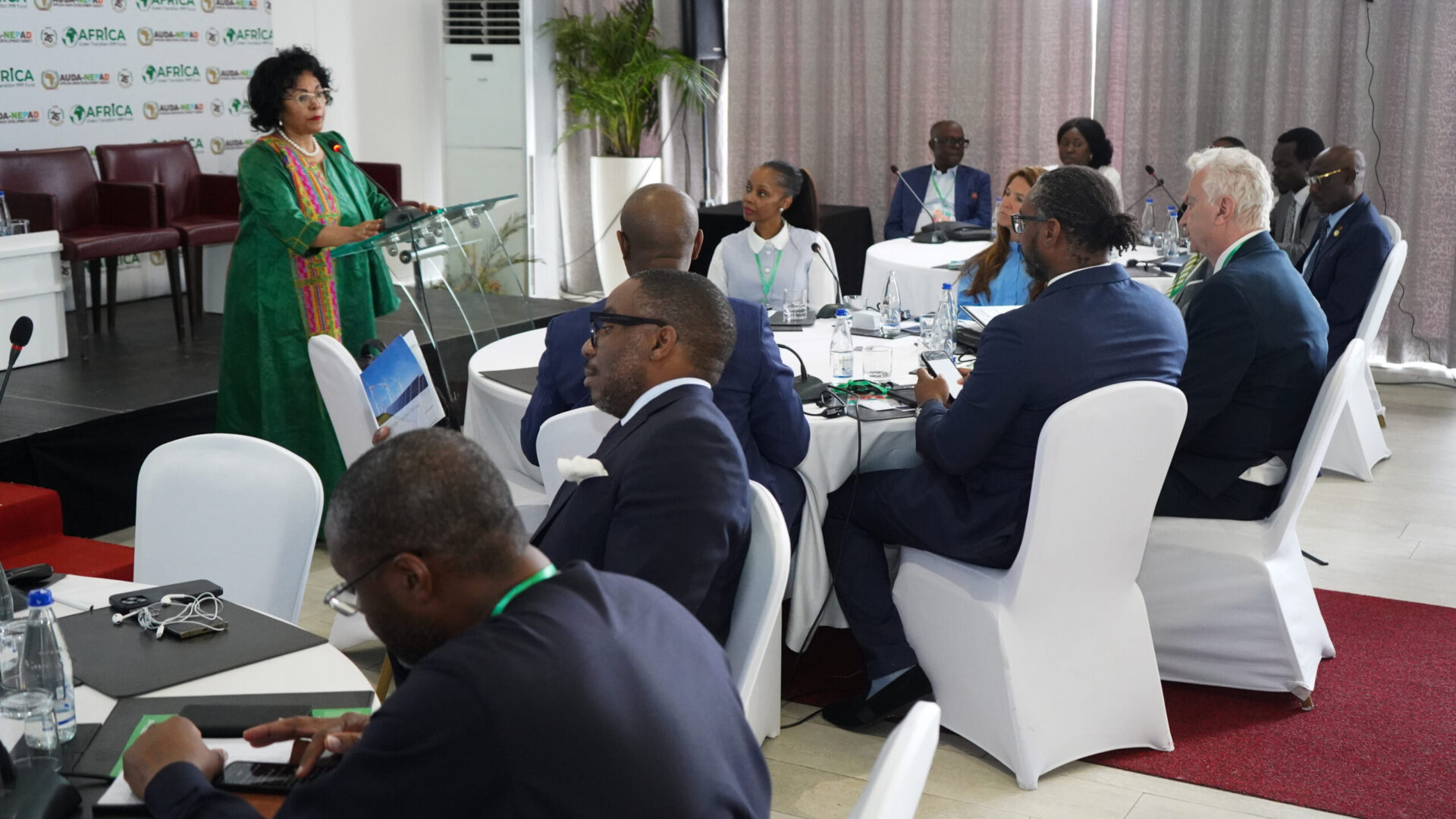
The announcement was made during the Ministerial Segment of the African Union Specialised Technical Committee on Trade, Industry and Minerals in Abidjan, Côte d’Ivoire, where ministers responsible for economic development, finance, trade and industry gathered to discuss the continent’s industrial and economic priorities.
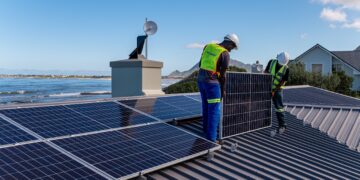
The Africa Green Transition PPP Fund has been established as an investment platform designed to mobilise blended finance and institutional capital for projects across renewable energy generation, electricity transmission, water and energy infrastructure, industrial decarbonisation and climate resilient infrastructure. During its initial phase, the Fund aims to secure €500 million in committed capital before progressing towards larger scale investments across the continent.



The Fund has been structured as a Luxembourg Specialised Investment Fund under the Reserved Alternative Investment Fund framework. According to its promoters, this structure has been selected to meet internationally recognised governance and investment standards while maintaining African leadership in project identification, development and strategic direction.
AUDA NEPAD Chief Executive Officer Nardos Bekele Thomas said the continent possesses a substantial pipeline of green infrastructure projects but continues to face challenges in converting prepared projects into financed developments. She said the new investment platform had been created to bridge this financing gap by providing an institutional vehicle capable of attracting long term investment while remaining aligned with African development priorities.

The initiative is intended to complement existing African Union infrastructure programmes, including the Programme for Infrastructure Development in Africa, the NEPAD Infrastructure Project Preparation Facility and the PIDA Industrialisation Project Preparation Facility. It also supports wider continental frameworks such as Agenda 2063, the Continental Power System Masterplan, the African Single Electricity Market and Mission 300, all of which seek to strengthen regional connectivity, energy access and industrial competitiveness.
Representatives of X Green Capital Luxembourg GP S.à r.l, which serves as the Fund’s General Partner, said the platform has been designed to combine African institutional expertise with international investment management capabilities. They stated that the Fund seeks to create commercially sustainable investment opportunities by working with governments, development finance institutions and private sector investors to develop bankable infrastructure projects capable of delivering both financial returns and measurable development outcomes.
The Fund’s sponsors also emphasised that the initiative has been conceived as a partnership built on shared participation between African and European institutions rather than as an externally driven investment vehicle. They said the objective is to mobilise international capital while ensuring that African priorities remain central to project selection and implementation.

Alongside the Fund’s launch, AUDA NEPAD and the Africa Social Security Association signed a Memorandum of Understanding intended to strengthen collaboration on sustainable development initiatives and investment mobilisation. The agreement is expected to encourage greater cooperation between African institutions in supporting infrastructure development and long term economic resilience.
The Fund was also introduced alongside AUDA NEPAD’s Programme for African Developing Island Economies. According to the Agency, island states present opportunities for early investment in renewable energy, resilient infrastructure and the decarbonisation of essential services such as desalination facilities.
Launching the Fund during the Ministerial Segment of the Specialised Technical Committee places the initiative within the broader policy framework of the African Union, where governments are responsible for creating the regulatory and investment conditions that determine whether infrastructure projects become commercially viable.
The Fund’s first capital closing is expected to be pursued during the Africa Business Forum in 2026, where organisers intend to engage institutional investors, development finance institutions and private sector partners. Should the fundraising target be achieved, the platform is expected to support the transition of infrastructure projects from planning stages into construction, contributing to Africa’s wider objectives of expanding energy access, strengthening industrial capacity and supporting sustainable economic growth.
For many African economies, addressing infrastructure financing constraints remains central to achieving inclusive industrialisation and accelerating the transition towards lower carbon development pathways. The establishment of the Africa Green Transition PPP Fund reflects continuing efforts by African institutions to develop financing mechanisms that seek to mobilise long term investment while advancing the continent’s own development agenda through collaborative partnerships and regional ownership.