
Monday, March 16, 2026
  • Login
The Southern African Times
  • Home
  • Southern Africa
  • Business
    • African Start ups
    • African Continental Free Trade Area
  • Technology
    • Lifestyle
      • Health
      • Culture
      • Food and Drink
      • Entertainment
  • Opinion
  • Sports
  • SAT Jobs
    • Events
  • About Us
    • Advertise with Us
    • Contact Us
No Result
View All Result
  • Home
  • Southern Africa
  • Business
    • African Start ups
    • African Continental Free Trade Area
  • Technology
    • Lifestyle
      • Health
      • Culture
      • Food and Drink
      • Entertainment
  • Opinion
  • Sports
  • SAT Jobs
    • Events
  • About Us
    • Advertise with Us
    • Contact Us
No Result
View All Result
The Southern African Times
No Result
View All Result
Home Opinion

Angola’s path to prosperity lies in its sun and soil, not its oil

Investing in solar electricity and agriculture can help the country diversify its economy and uplift its rural areas.

by SAT Reporter
December 9, 2024
in Opinion
0
Angola’s path to prosperity lies in its sun and soil, not its oil

As Angola seeks a sustainable future, it is evident that the nation’s long-term prosperity lies in its sun and soil rather than its oil.

Its future lies in harnessing its abundant solar resources and vast arable lands to transform neglected rural areas into hubs of innovation and economic rebirth. Doing so would generate business opportunities and dignified work, especially for youth and women, and diversify an economy long dominated by oil.

Oil, which constitutes 30 percent of Angola’s gross domestic product and more than 90 percent of exports, operates largely in isolation from the rest of the economy. While generating significant revenues, it is subject to large price fluctuations, creates few jobs and rarely connects with local businesses.


ADVERTISEMENT

As a result, communities have become more vulnerable to poverty, with an unemployment rate about 30 percent, and a staggering 53 percent unemployment rate among youth under 25.

A mass exodus to Angola’s capital, Luanda, reflects this vulnerability. Nearly one-third of the population is now concentrated in the province of Luanda, leaving rural communities depopulated and underdeveloped. One consequence is a growing food bill, as the country imports some $3bn worth of food every year.

A similar mass exodus from rural to urban areas is affecting sustainable rural development across much of Africa. As of 2023, while Angola’s urbanisation rate was 69 percent, rates across the continent reached up to 91 percent in Gabon, 76 in São Tomé & Príncipe, 74 in Equatorial Guinea and 72 in Botswana. This often leads to heightened challenges with housing, water scarcity, and food security.

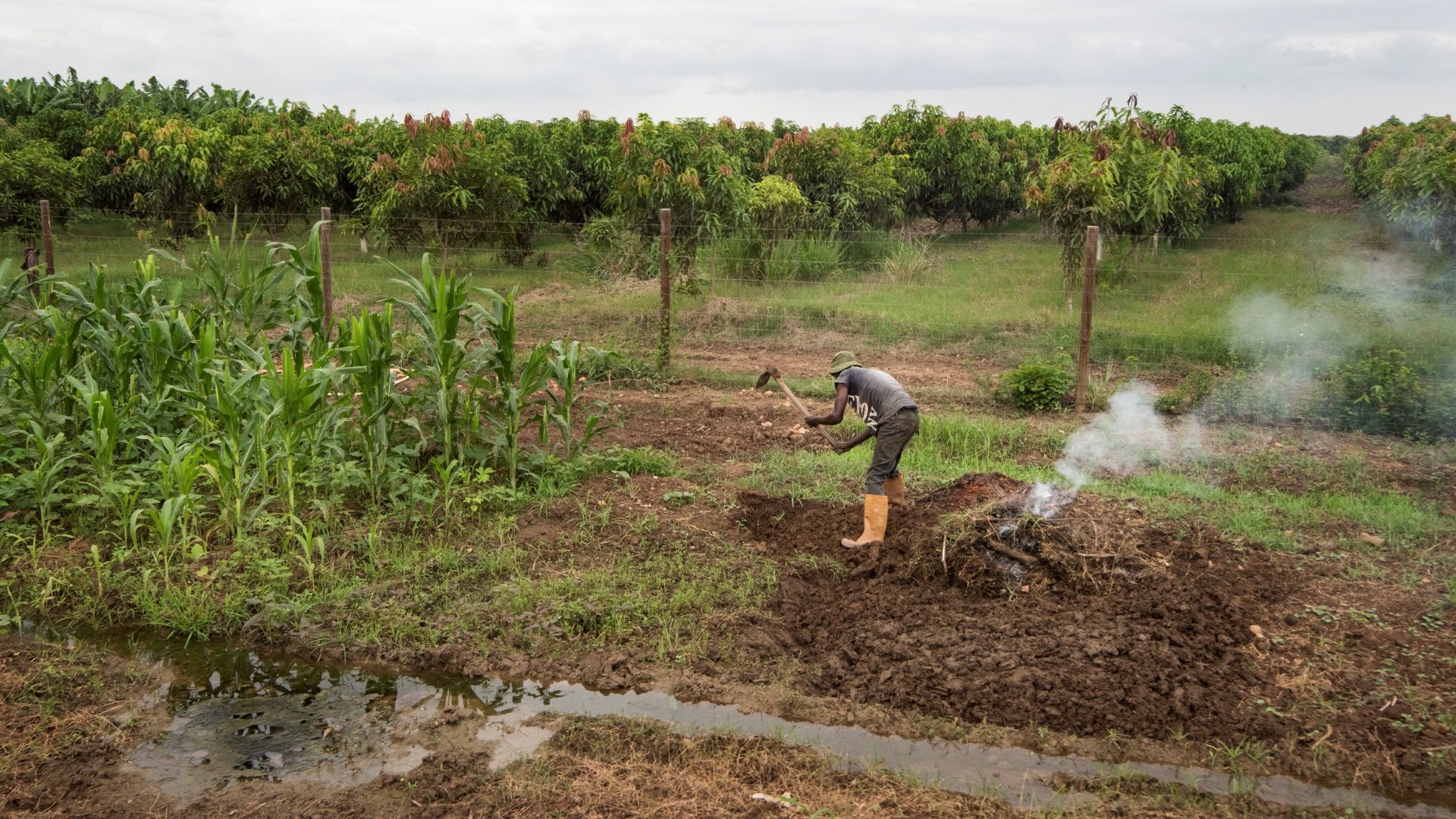
Angola could lead the way in reversing this trend by taking advantage of its remarkable natural resources. It boasts some of the highest levels of solar radiation in the world. This powerful natural resource could be harnessed to electrify rural areas (currently, close to half the country’s population lacks access to electricity) and energise the agricultural sector. Furthermore, only about 10 percent of Angola’s arable land is being cultivated. The potential for agriculture is vast.

But a key challenge remains: How to attract young people back to rural areas they fled, returning not as a last resort, but as a promising economic and livelihood alternative?

The answer can be found in modern agriculture, not the traditional manual labour-intensive sector of the past. Powered by clean energy and transformed by technology, Angola’s agricultural renaissance could offer a wealth of possibilities for innovation and growth.

Similar successes in other nations point to what is possible. Tanzania recently announced its food security has reached 128 percent, with the country now exporting surplus crops, supported by rural electrification, youth-focused training, and land distribution initiatives.

In India, smallholder farmers have boosted their crop yields significantly through solar-powered irrigation systems, demonstrating how technology can revolutionise traditional farming. In Vietnam, the adoption of sustainable farming practices and improvements in water management and supply chains have fostered agricultural growth, with sector exports reaching more than $60bn.

In Angola, investments in solar-powered agriculture could both address domestic food demand and lay the groundwork for high-value exports, such as avocados or specialty crops. By collaborating with local communities to strategically locate and develop infrastructure – starting with essential power and connectivity needs – rural areas can become centres of agricultural innovation. The entire agricultural value chain, from marketing and logistics to product development, can offer diverse and excellent business opportunities.

The government of Angola has recognized the importance of agriculture, highlighting food security as one of the two pillars in its national development plan, and has launched the Programme to Accelerate Family Farming and Strengthening Food Security. However, much more is needed to stimulate the development of rural areas.

This includes deliberate interventions to facilitate the ease of doing business, agile policies, skills training in data-driven and digital agriculture, and innovative financing mechanisms specific to agriculture.

One example of such innovative financing comes from Nigeria, where the Incentive-Based Risk Sharing System for Agricultural Lending (NIRSAL) mobilised more than $273m in guaranteed loans. This provided insurance and technical support to thousands of farmers and guided government policy to boost agricultural growth.

In addition, careful planning is needed to ensure agricultural development does not lead to the degradation of healthy ecosystems or loss of biodiversity. Initiatives and training that encourage low-carbon-emitting sustainable practices, such as soil conservation techniques, hydroponics, drip irrigation, and crop diversification, can help mitigate these risks, ensuring that Angola’s agricultural growth maintains the health of its ecosystems.

With strategic investment and policy support, Angola has the potential to reduce its reliance on food imports, create dignified livelihoods for its youth and emerge as a Southern African centre for diverse, productive, sustainable agriculture. Now is the time for Angola to act, leveraging its sun and soil to lead the way and turn this vast potential into lasting and inclusive prosperity for all.

Written by Denise E Antonio, UNDP Resident Representative in Angola. The article reflects the author’s opinions and not necessarily the views of The Southern African Times.

Tags: African agricultureAgricultureagriculture technologyAngolaAngola developmenteconomic diversificationeconomic sustainabilityenergy solutionsfood securityrenewable energyRural DevelopmentSolar Energysolar-powered irrigationsustainable developmentsustainable growthUNDPyouth employment
Previous Post

Bulawayo Raises Over US$21 Million for Glassblock Bopoma Dam

Next Post

Triton Minerals Sells 70% of Mozambique Graphite Assets

SAT Reporter

Related Posts

Africa Must Not Become an AI Colony
Opinion

Africa Must Not Become an AI Colony

by SAT Reporter
March 11, 2026
The Cost of a Tweet: A Cautionary Tale
Opinion

The Cost of a Tweet: A Cautionary Tale

by Rodney Jack
March 10, 2026
Africa’s AI Future Depends on Data and Language — Medicine Must Lead, Not Follow
Opinion

Africa’s AI Future Depends on Data and Language — Medicine Must Lead, Not Follow

by SAT Reporter
March 5, 2026
The Global South isn’t a climate charity case. It’s the main event.
Opinion

The Global South isn’t a climate charity case. It’s the main event.

by SAT Reporter
March 2, 2026
Health Aid, Data Sovereignty and the New Geopolitics of Biological Information
Opinion

Health Aid, Data Sovereignty and the New Geopolitics of Biological Information

by SAT Reporter
February 26, 2026
Next Post
Triton Minerals Sells 70% of Mozambique Graphite Assets

Triton Minerals Sells 70% of Mozambique Graphite Assets

Browse by Category

  • Africa AI
  • African Continental Free Trade Area
  • African Debt
  • African Start ups
  • Agriculture
  • AI Africa
  • Algeria
  • All News
  • Analysis
  • Angola
  • Arts / Culture
  • Asia
  • Botswana
  • BOTSWANA
  • BREAKING NEWS
  • BRICS
  • Burkina Faso
  • Burundi
  • Business
  • Business
  • Business Wire
  • Cameroon
  • Central Africa
  • Chad
  • China
  • Climate Change
  • Climate Changev
  • Community
  • Congo Republic
  • Conservation
  • Côte d’Ivoire
  • COVID 19
  • CRYPTOCURRENCY
  • Culture
  • Democratic Republic of Congo
  • Diplomacy
  • Eastern Africa
  • Economic Development
  • Economy
  • Education
  • Egypt
  • Elections 2024
  • Energy
  • Entertainment
  • Environment
  • Eritrea
  • Ethiopia
  • Europe
  • Fashion
  • Feature
  • Finance
  • Financial Inclusion
  • Food
  • Food and Drink
  • Foods
  • GABON
  • Ghana
  • Global
  • Global Africa
  • Guinea
  • Health
  • Immigration
  • in Southern Africa
  • International news
  • International Relations
  • Ivory Coast
  • Just In
  • Kenya
  • Lesotho
  • Libya
  • Life Style
  • Lifestyle
  • Literature
  • Malawi
  • Malawi
  • Mali
  • Markets
  • Mauritius
  • Middle East
  • Mining in Africa
  • Morocco
  • Mozambique
  • Namibia
  • Niger
  • niger
  • Nigeria
  • North Africa
  • North-Eastern Africa
  • Obituaries
  • Obituary
  • Opinion
  • PARTNER CONTENT
  • Politics
  • Property
  • Racism
  • Rwanda
  • Rwanda
  • SADC
  • SAT Interviews
  • SAT Investigation
  • SAT Jobs
  • Saudi Arabia
  • Senegal
  • Seychelles
  • South Africa
  • South Sudan
  • Sports
  • Startup Africa
  • STOCK EXCHANGE
  • Sudan
  • Sustainability
  • Sustainablity
  • Tanzania
  • Technology
  • Telecommunications
  • The Editorial Board
  • The Power Of She
  • Togo
  • Trade
  • Travel
  • Travel
  • Tunisia
  • Uganda
  • Uncategorized
  • Wealth
  • West Africa
  • World
  • World
  • ZAMBIA
  • Zambia
  • ZIMBABWE
  • Zimbabwe

Browse by Tags

#NewsUpdate #SouthAfrica #SouthernAfricanTimes #TheSouthernAfricanTimes AfCFTA africa African Continental Free Trade Area African development African Development Bank African economy African Union Agriculture Angola Botswana Business China Climate change Cyril Ramaphosa Donald Trump Economic Development economic growth energy transition Finance food security Ghana industrialisation Infrastructure Development International relations Investment Kenya Mozambique Namibia news Nigeria Pan-Africanism Regional Integration renewable energy Rwanda SADC South Africa Southern Africa sustainable development Tanzania Zambia Zimbabwe
ADVERTISEMENT

WHO WE ARE

The Southern African Times is a regional bloc digital newspaper that covers Southern African and world news. The paper also gives a nuanced analysis on news and covers a wide range of reporting which include sports, entertainment, foreign affairs, arts and culture.

Welcome Back!

Login to your account below

Forgotten Password?

Retrieve your password

Please enter your username or email address to reset your password.

Log In

  • Home
  • Southern Africa
  • Business
    • African Start ups
    • African Continental Free Trade Area
  • Technology
    • Lifestyle
      • Health
      • Culture
      • Food and Drink
      • Entertainment
  • Opinion
  • Sports
  • SAT Jobs
    • Events
  • About Us
    • Advertise with Us
    • Contact Us
Are you sure want to unlock this post?
Unlock left : 0
Are you sure want to cancel subscription?