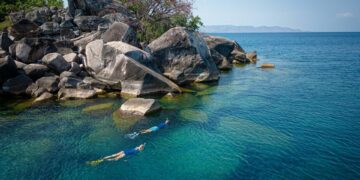
In recent years Angola has increasingly been discussed not only in relation to its oil and diamond industries but also for its growing tourism potential. As infrastructure improves and regional connectivity expands, the country is gradually positioning itself within Southern Africa’s evolving travel economy. Observers across the region note that Angola’s landscapes, cultural heritage, and coastline are drawing renewed attention from travellers, investors, and policymakers seeking to diversify tourism beyond more established destinations.
Angola occupies a geographically and culturally distinctive position in the region. Stretching from the Atlantic coastline through savannah and rainforest to desert ecosystems, the country offers environmental diversity comparable to several better known African destinations. According to the World Bank, Angola has been pursuing economic diversification policies since the mid 2010s, with tourism identified as a sector capable of generating employment and supporting local enterprise beyond the extractive industries that have historically dominated the economy.
Accessibility has long been a constraint for visitors. However, the aviation landscape serving Angola has gradually expanded. Luanda’s main gateway, Quatro de Fevereiro International Airport, remains the country’s principal international hub, while the newly constructed Dr António Agostinho Neto International Airport near Luanda is expected to significantly increase passenger capacity once fully operational. Analysts at the African Development Bank note that improved aviation infrastructure forms a key component of Angola’s broader logistics and connectivity strategy within the Southern African region.



Air transport links between Angola and Europe have historically been anchored by Portugal, reflecting linguistic and historical ties. The Portuguese carrier TAP Air Portugal operates regular routes between Lisbon and Luanda and remains one of the most consistent air bridges between Europe and Angola. Regional connectivity within Southern Africa is also significant. Airlines operating from South Africa, including South African Airways, provide connections linking Angola to Johannesburg and other regional centres, facilitating both business travel and short stay tourism.

Global aviation networks have also played a role in connecting Angola to wider markets. Carriers such as Emirates have previously operated long haul services linking Luanda to the Middle East and onward to Asia and North America through Dubai. European carriers including Air France have also maintained connections between Paris and Luanda at different periods, reflecting the city’s position as a regional commercial centre. Aviation analysts suggest that the gradual expansion of routes across Africa and intercontinental hubs is likely to remain a determining factor in Angola’s ability to develop tourism sustainably.
Demand for travel to Angola is shaped by a mixture of historical ties, regional mobility, and emerging leisure markets. Visitors from Portugal and Brazil frequently travel to Angola for cultural exchange, family visits, and business activity linked to Lusophone networks. South Africa represents another important source of regional mobility due to geographical proximity and economic linkages within the Southern African Development Community. Chinese travellers have also been visible in Angola over the past two decades, initially connected to infrastructure and construction partnerships but increasingly participating in cultural and leisure travel as bilateral relations expand.
While tourism in Angola remains smaller than in several neighbouring countries, the sector is gradually diversifying. According to the United Nations World Tourism Organization, many African countries are pursuing strategies focused on sustainable and community based tourism models rather than high volume mass tourism. Angola’s policy framework reflects a similar approach. Government initiatives have prioritised environmental conservation areas, coastal tourism, and heritage sites while also promoting local participation in tourism enterprises.
Several natural landmarks have become focal points of this emerging tourism narrative. Among the most widely recognised is Kalandula Falls, located in Malanje Province. With a width of approximately 400 metres and a drop of around 105 metres, it is often cited among the largest waterfalls in Africa by volume. The surrounding landscape supports a growing network of local tourism services including guided excursions and small scale accommodation.
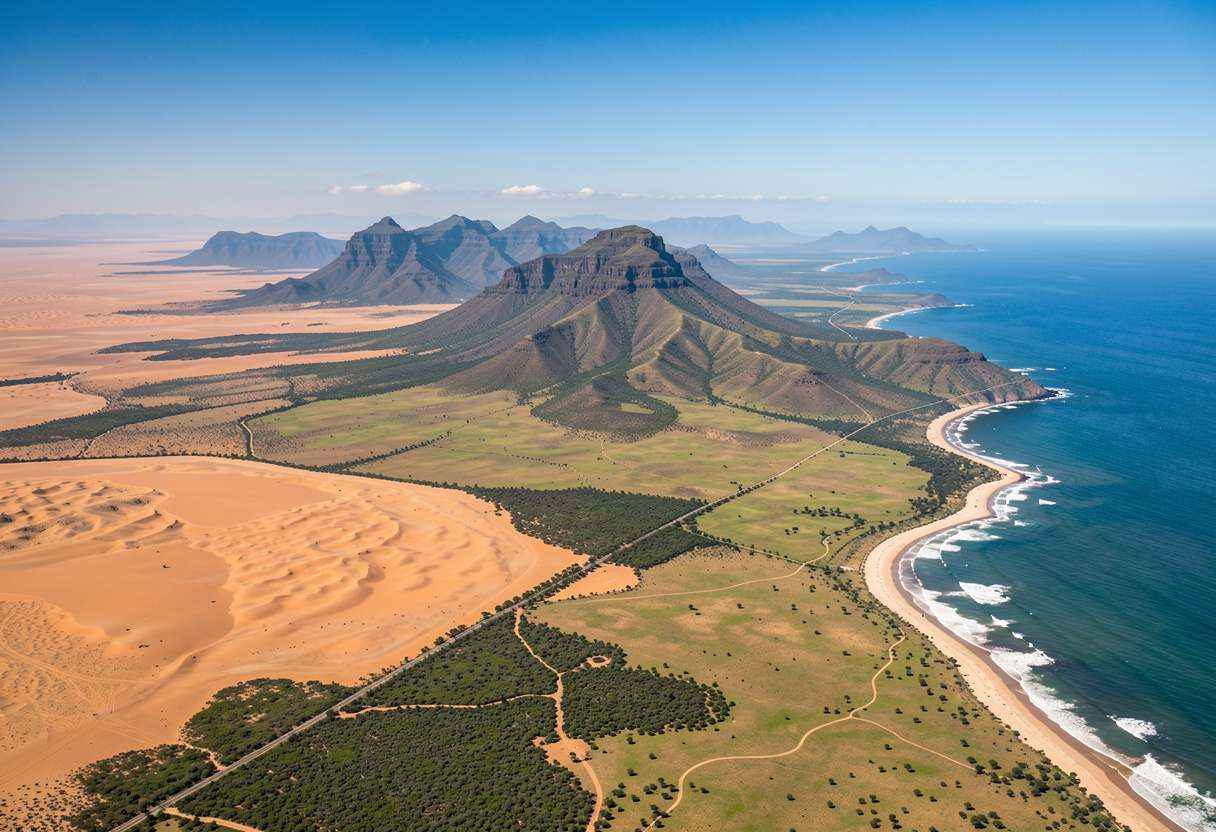
National parks also form part of Angola’s long term tourism strategy. Iona National Park in the southwest represents one of the country’s most distinctive ecological zones, where the Namib Desert meets the Atlantic coastline. Conservation programmes supported by organisations such as African Parks have focused on wildlife restoration and protected area management in several Angolan reserves. Cameia National Park in the east is similarly undergoing ecological rehabilitation after decades of conflict that affected wildlife populations across the region.
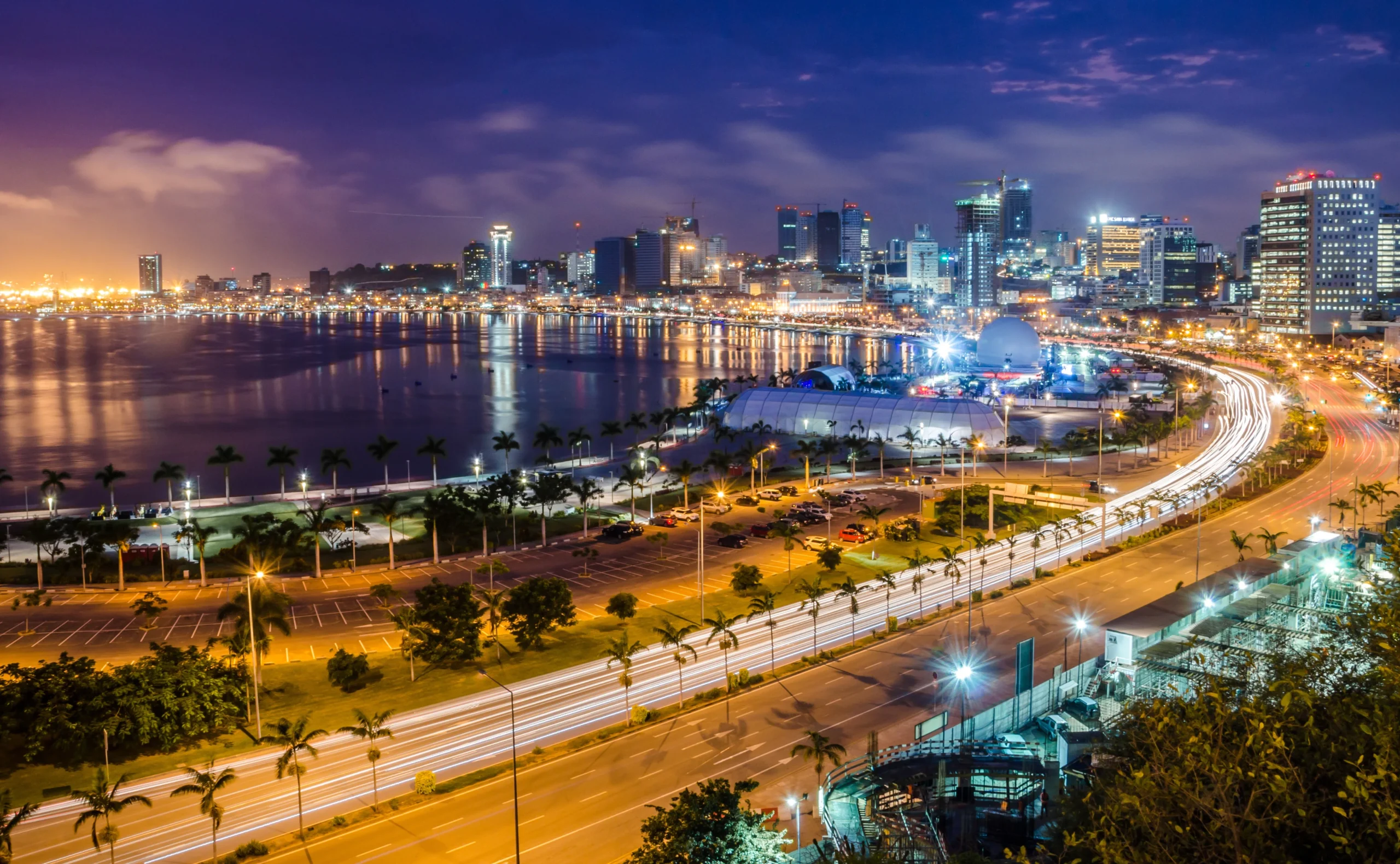
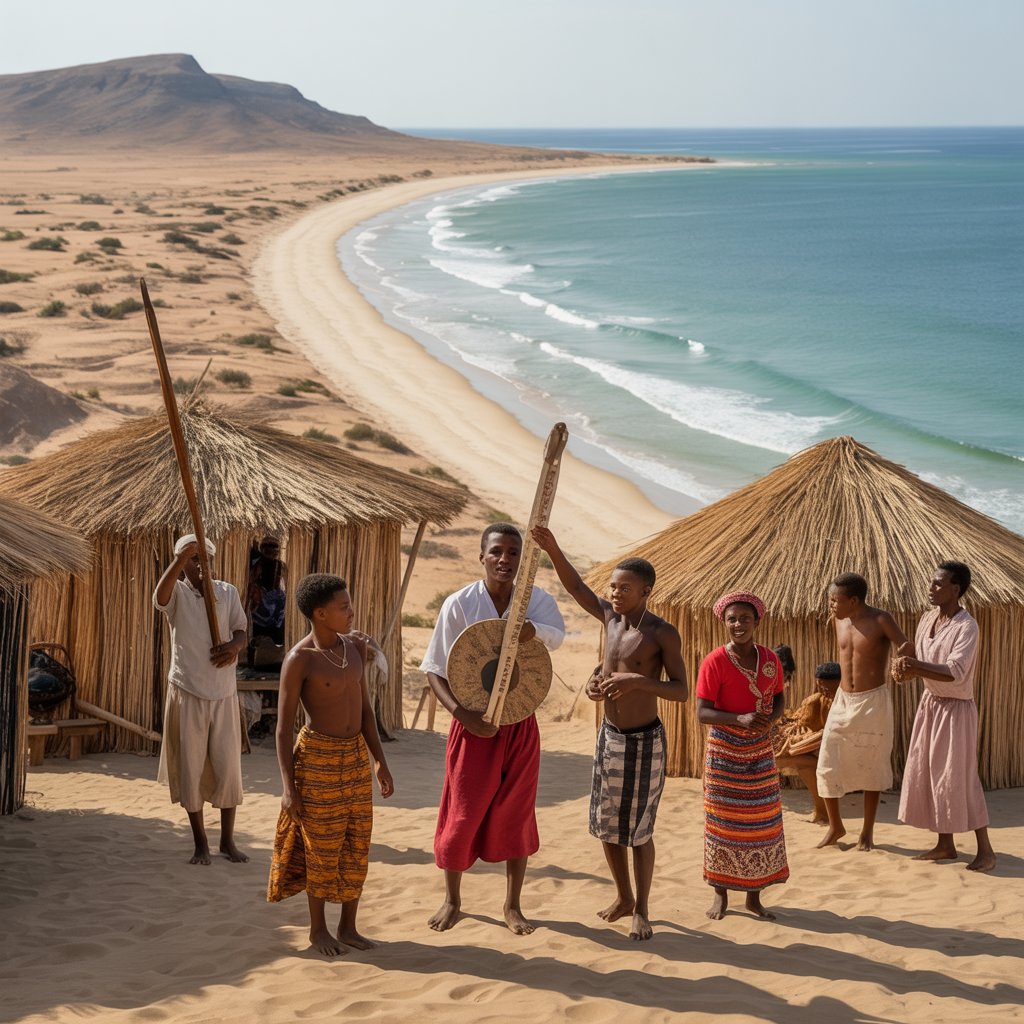
Urban tourism is developing in parallel with these environmental attractions. Luanda’s waterfront area, known as the Marginal, has undergone extensive redevelopment over the past decade. The district reflects a mixture of colonial era architecture, modern commercial buildings, and cultural venues where music traditions such as semba and kizomba remain prominent in everyday urban life. Cultural historians frequently note that Angolan music and dance have influenced wider Lusophone cultures across Africa and the Atlantic.
Hospitality infrastructure is expanding gradually, although the sector remains relatively concentrated in major urban centres. International hotel groups including Hilton, Marriott International, and Accor have explored or established operations in Angola over the past decade, primarily targeting business travellers connected to the energy sector. Industry analysts suggest that future investment may increasingly focus on smaller scale eco lodges and coastal resorts aligned with conservation tourism.

Administrative reforms are also shaping Angola’s accessibility for international visitors. The government introduced an electronic visa system designed to streamline entry procedures for travellers from a growing number of countries. According to Angola’s migration authorities, the digital visa process aims to reduce bureaucratic barriers that previously discouraged tourism and short term visits.
The evolution of Angola’s tourism sector reflects broader regional trends in Southern Africa. Countries across the region are seeking to balance conservation, economic development, and cultural representation in ways that move beyond narrow narratives of resource extraction or wildlife spectacle. For Angola, the process is still unfolding. Infrastructure gaps, environmental management challenges, and economic volatility remain part of the policy landscape.
Yet the gradual opening of the country’s cultural and ecological spaces to regional and international audiences suggests a shift in how Angola is perceived. Rather than a peripheral destination defined primarily by its mineral wealth, Angola is increasingly engaging with tourism as one component of a wider effort to diversify its economy and reintroduce its landscapes and cultural heritage to the world.