Angola has commenced gas production from the Quiluma field, marking a significant development in the country’s energy sector as it brings online its first non associated gas project. The milestone, confirmed by the New Gas Consortium partners and the Angolan National Agency of Petroleum, Gas and Biofuels, signals a structural shift in how the country approaches its hydrocarbon resources.
The project is operated by Azule Energy, a joint venture between Eni and BP, in partnership with Cabinda Gulf Oil Company, Sonangol Exploration and Production, and TotalEnergies. Initial output is estimated at 150 million standard cubic feet per day, with plans to increase to approximately 330 million standard cubic feet per day by the end of 2026, according to industry reporting from Reuters.
Unlike earlier developments in Angola that relied largely on associated gas produced alongside oil, the Quiluma project reflects a deliberate shift towards dedicated gas exploitation. This transition is seen by policymakers as a means to diversify the national energy mix while responding to both domestic energy requirements and export opportunities.



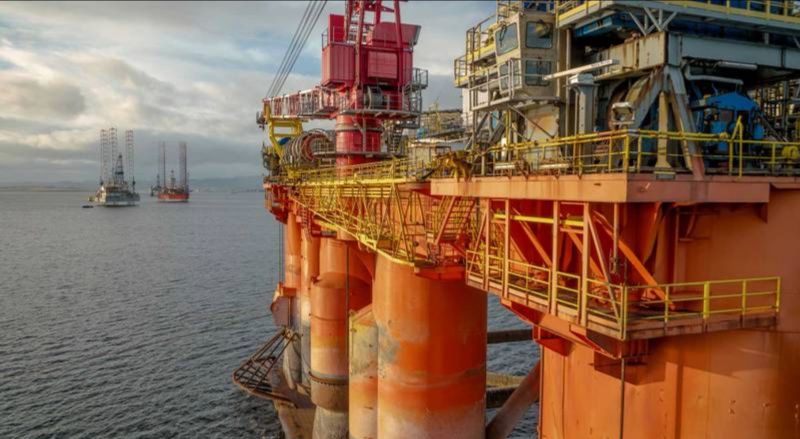
The development links offshore shallow water resources to an onshore processing facility in Soyo, Zaire province. The plant has a treatment capacity of around 400 million standard cubic feet of gas per day and is capable of producing up to 20,000 barrels per day of condensates. The offshore platform, constructed in Ambriz, represents one of the largest such structures assembled within the country’s industrial base.
Officials and operators have emphasised the role of local participation in the project’s execution. At peak construction, more than 5,000 Angolan workers were engaged across multiple sites, reflecting ongoing efforts to expand domestic technical capacity and industrial capability within the energy sector. This emphasis aligns with broader continental discussions on ensuring that extractive industries contribute to skills transfer, employment and long term economic resilience.
Gas from Quiluma is expected to supply the Angola LNG facility, supporting exports to markets in Europe and Asia. At full capacity, the project is projected to contribute roughly 2 million tonnes of liquefied natural gas annually. This positions Angola within a competitive global LNG landscape while also reinforcing regional debates about the role of natural gas as a transitional energy source.

Within an African context, the development highlights the varied pathways countries are pursuing in balancing energy access, industrial growth and climate considerations. Natural gas continues to be framed by several African governments as a pragmatic component of energy transition strategies, particularly where infrastructure constraints and development priorities differ from those in more industrialised economies.
The Quiluma start-up follows closely on the commissioning of the Ndungu field earlier in 2026, indicating a period of sustained upstream activity in Angola. Together, these projects suggest a recalibration of the country’s energy strategy, with increased attention to gas monetisation alongside oil production.
While the long term implications will depend on market conditions, governance frameworks and environmental considerations, the project underscores Angola’s intention to assert greater agency over its resource base. In doing so, it reflects a broader continental narrative in which African states seek to define energy pathways that are responsive to local realities while remaining engaged with global energy 2.