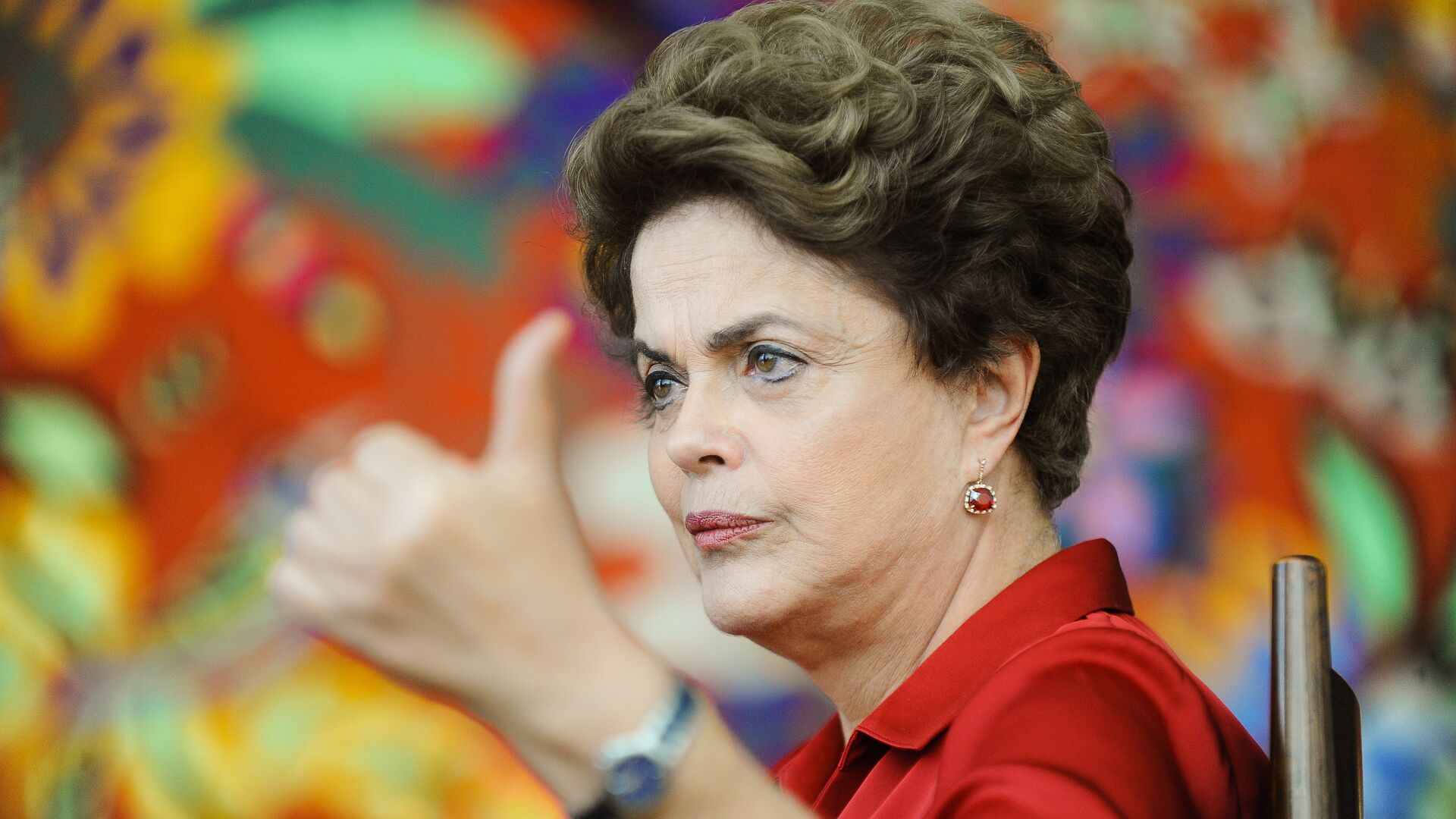
Algeria has been officially granted membership into the BRICS bloc, marking a significant geopolitical shift as the North African nation joins the influential consortium of emerging economies. The announcement was made by Dilma Rousseff, the president of the New Development Bank (NDB), commonly referred to as the BRICS Bank, during a high-level meeting on Saturday.
The BRICS bloc, comprising Brazil, Russia, India, China, and South Africa, represents a substantial portion of the global economy and has increasingly become a formidable counterbalance to Western-dominated financial institutions such as the International Monetary Fund (IMF) and the World Bank. The inclusion of Algeria into this alliance signals a strategic deepening of the group’s footprint within the African continent, a region of growing economic importance and potential.




Rousseff’s announcement underscores Algeria’s ambition to enhance its influence on the global stage, diversifying its economic partnerships beyond its traditional alliances. For the BRICS nations, the accession of Algeria is anticipated to bring additional resources, particularly in the energy sector, given Algeria’s status as one of the world’s leading natural gas exporters. Moreover, this move is reflective of the bloc’s broader strategy to incorporate countries that can contribute to its collective objectives of fostering a multipolar world order.
Algeria’s inclusion is also a testament to its ongoing domestic reforms and efforts to modernise its economy. As the country navigates the complexities of global energy markets and seeks to reduce its dependency on hydrocarbon revenues, BRICS membership is expected to facilitate access to alternative sources of capital and markets, thereby accelerating its economic diversification efforts.
The decision has not only economic but also significant geopolitical ramifications. It is expected to bolster Algeria’s standing in regional and international forums, reinforcing its position as a pivotal player in Africa and the Mediterranean. This development may also prompt other countries in Africa and beyond to seek closer ties with BRICS, further expanding the bloc’s influence.
While the precise terms of Algeria’s integration into BRICS are yet to be fully delineated, the announcement is a clear indication of the bloc’s growing openness to welcoming new members who align with its vision of reforming the global governance architecture. The move may also serve to intensify discussions around the potential admission of other emerging economies that have expressed interest in joining the BRICS coalition.