The African Union (AU) has unveiled a comprehensive 10-year strategy aimed at transforming the continent’s agricultural sector and enhancing food systems. This initiative was formalised through the Kampala Declaration, announced at the conclusion of the AU Extraordinary Summit on the Comprehensive Africa Agriculture Development Programme (CAADP) in Kampala, Uganda.
Central to this strategy is the commitment to increase agri-food output by 45% by 2035, alongside a 50% reduction in post-harvest losses. To support these objectives, African nations have pledged to mobilise $100 billion in public and private investments within the same timeframe. The declaration emphasises the necessity for a unified effort from governments, parliaments, food producers, the private sector, and civil society to realise these ambitions. It states, “Together, we can transform Africa’s agri-food system into a sustainable and inclusive future.”
Established in 2003, CAADP’s mission has been to eradicate hunger and combat poverty across Africa. At its inception, member countries committed to allocating 10% of their national budgets to agriculture, focusing on increased investment in the sector.



During the summit, Ugandan President Yoweri Museveni advocated for the adoption of commercial agriculture and value addition as pathways to economic prosperity. He advised families with limited land to adopt intensive agricultural strategies, while those with larger holdings should consider extensive approaches. Museveni stated, “Fully commercialise agriculture to achieve food security and homestead income by undertaking agricultural enterprises.”

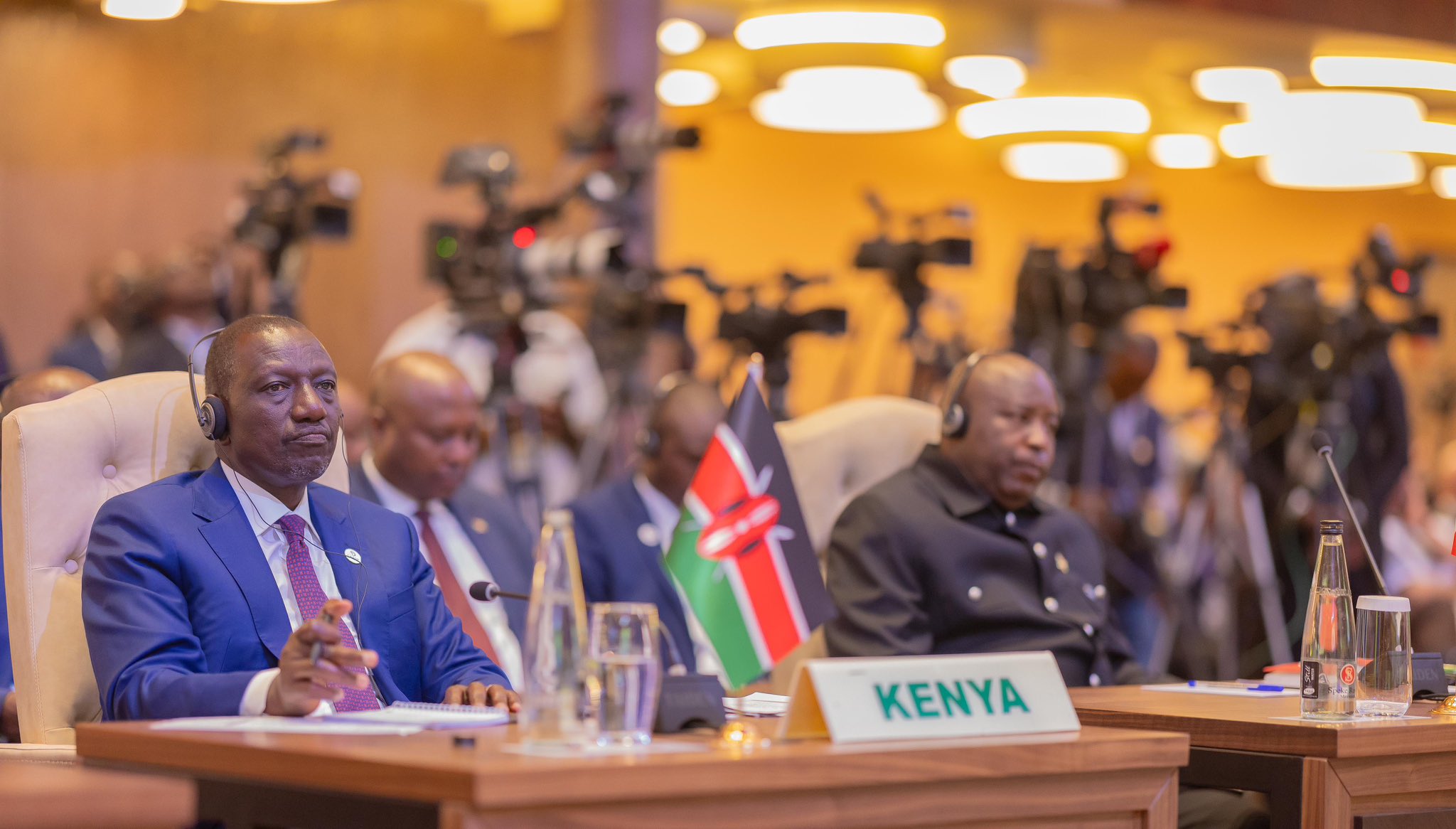
The three-day summit convened over 2,000 delegates, including agricultural experts, ministers, and heads of state from more than 40 AU member countries, to deliberate on the continent’s agricultural challenges and future directions.
The AU’s renewed focus on agriculture comes at a critical time, as the continent faces significant challenges in food security. According to the Food and Agriculture Organization (FAO), Africa is home to a substantial portion of the world’s undernourished population. The COVID-19 pandemic has further exacerbated these issues, disrupting supply chains and affecting food production.
The new strategy aims to address these challenges by promoting sustainable agricultural practices, improving infrastructure, and enhancing access to markets. By reducing post-harvest losses, the AU seeks to ensure that a larger proportion of produced food reaches consumers, thereby improving food security and farmers’ incomes.
Investment in agriculture is also expected to stimulate economic growth and create employment opportunities, particularly for the youth. The AU’s target of mobilising $100 billion in investments underscores the importance of the agricultural sector as a driver of development.
However, achieving these ambitious goals will require overcoming several obstacles. These include addressing land tenure issues, improving access to finance for smallholder farmers, and adapting to climate change. The success of the strategy will depend on effective implementation at the national and regional levels, as well as the active participation of all stakeholders.
The AU’s commitment to transforming agriculture is a positive step towards ensuring food security and economic development in Africa. The next decade will be crucial in determining the success of these initiatives and their impact on the livelihoods of millions across the continent.