Delegates from across the continent have called for renewed political commitment and sustained investment in girls’ and women’s education, arguing that expanding equitable access to learning remains central to Africa’s long term social and economic transformation.
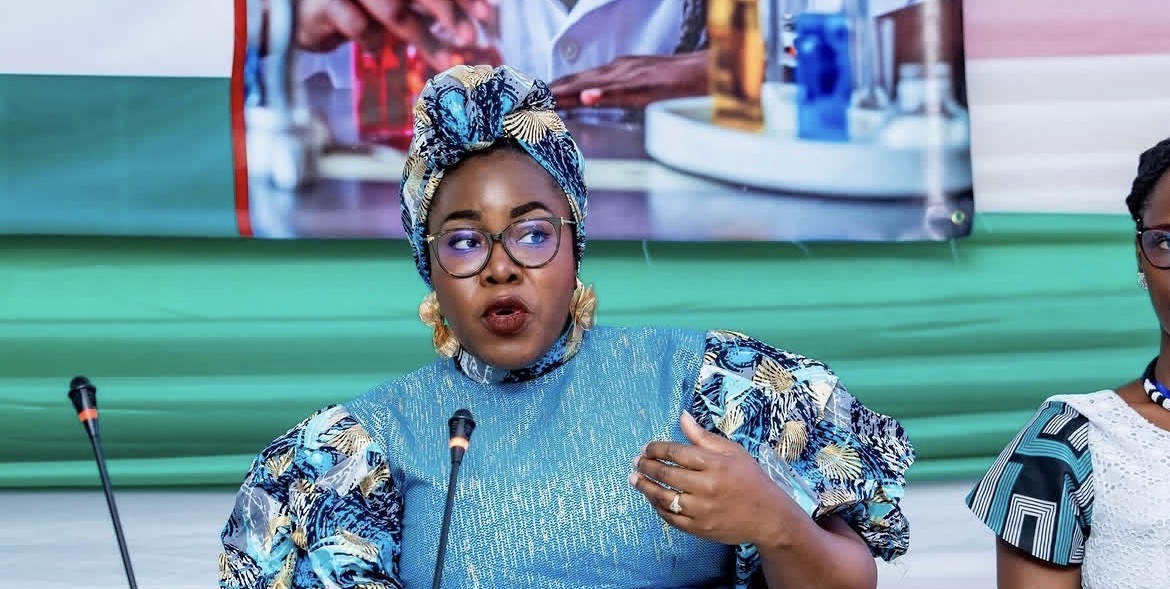
The appeal was made during the Second African Union Pan African Conference on Girls’ and Women’s Education, held in Bujumbura, Burundi, where representatives from nearly 40 African countries gathered to exchange experiences and consider practical approaches to improving educational access, skills development and learning outcomes for girls and women.
Held under the theme Prioritising Girls’ and Women’s Education: Develop their Skills and Accelerate Learning and Training Opportunities, the three day conference brought together government officials, education specialists, development partners and regional institutions to examine how education systems can better support inclusive and sustainable development across the continent.



Opening the conference, United Nations Resident Coordinator in Burundi Violet Kakyomya said education should remain at the centre of Africa’s development agenda, describing it as both a fundamental human right and an essential catalyst for economic and social progress.
She argued that Africa’s capacity to realise its development ambitions depends upon ensuring that girls and women enjoy equal opportunities to access education, acquire skills and participate fully in national and continental development.

Her remarks reflect the objectives of the African Union, whose long term development blueprint, Agenda 2063, identifies education, skills development, gender equality and human capital investment as essential pillars for achieving inclusive prosperity across the continent.
Burundi’s Vice President Prosper Bazombanza echoed these sentiments, stating that investment in girls’ education represents an investment in future generations. He said education equips women and girls with knowledge, dignity and opportunities that strengthen families, communities and national development.
Rather than viewing girls’ education solely through the lens of social policy, conference participants emphasised its wider contribution to economic productivity, innovation, public health, governance and resilience. Delegates highlighted that strengthening educational systems requires coordinated investment in infrastructure, teacher development, digital learning, technical education and measures that reduce barriers preventing girls from completing their studies.
Burundi’s Minister of National Education and Scientific Research, François Havyarimana, outlined the country’s current education landscape, presenting data that illustrate both progress and continuing challenges.
According to figures presented by the ministry, girls account for 50.45 per cent of children enrolled in preschool education and 51.48 per cent of pupils attending primary schools, indicating broadly balanced participation during the early years of formal education.
However, participation declines progressively at higher levels of education. Female students currently comprise approximately one quarter of undergraduate enrolment within Burundi’s universities, reflecting challenges that continue to affect progression into tertiary education.
The minister said Burundi remains committed to reforms intended to strengthen educational quality, equity and inclusion while expanding opportunities for girls and women throughout the education system.
The discussions in Bujumbura also reflected broader continental priorities. Across Africa, governments have increasingly recognised that demographic growth presents significant opportunities if accompanied by investment in education, vocational training and skills development. Expanding educational opportunities for girls is viewed by many policymakers as integral to building competitive economies capable of responding to technological change, industrialisation and evolving labour markets.
Participants also exchanged national experiences regarding policy implementation, financing mechanisms and initiatives designed to improve retention, transition between education levels and participation in technical and higher education.
While individual countries continue to face differing economic, social and institutional circumstances, delegates stressed that regional cooperation enables governments to share practical approaches that can be adapted to local contexts rather than relying upon uniform solutions.
The conference concluded its discussions with renewed emphasis on strengthening collaboration between governments, regional institutions, development partners and communities to expand educational opportunities for girls and women across Africa.

Organisers said improving access to quality education remains fundamental to achieving the aspirations set out under Agenda 2063 and advancing the continent’s broader objectives for inclusive growth, innovation and sustainable development.
As African countries continue to pursue reforms tailored to their national priorities, the conference reinforced a shared continental perspective that educating girls and women is not solely a question of equity, but also a strategic investment in Africa’s collective future, economic resilience and human development.