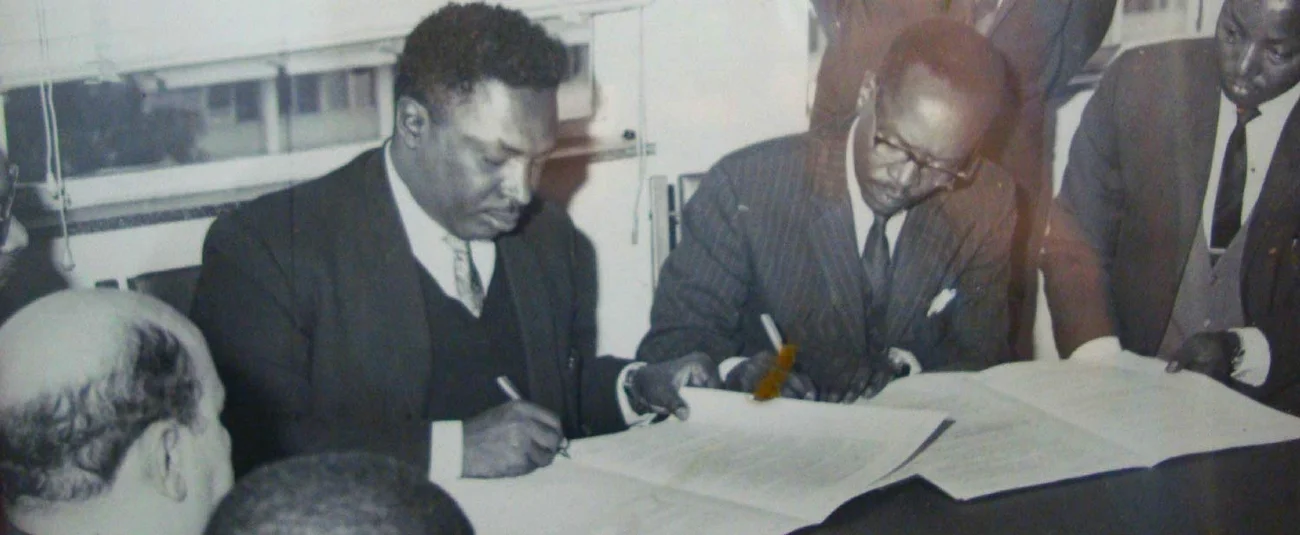
W hen the African Development Bank was established in 1964, its founders committed to the task of leveraging Africa’s natural and human resources to catalyze development across the continent. Despite skepticism labeling their ambitions as “suicidal,” the founders remain resolute. Through perseverance and determination, African countries forged ahead to establish their own transnational institution for development finance. Now, six decades later, what once seemed an unattainable dream stands as a remarkable reality. From its modest beginning with a capital of $250 million, the African Development Bank has soared to unprecedented heights, boasting a capital of $208 billion. It has achieved recognition as the leading development finance bank in Africa, hailed as the most transparent development bank in the world, and honored as the best multilateral financial institution in the world in 2021, among many other accolades.
1964-2024: Remembering the first major milestone
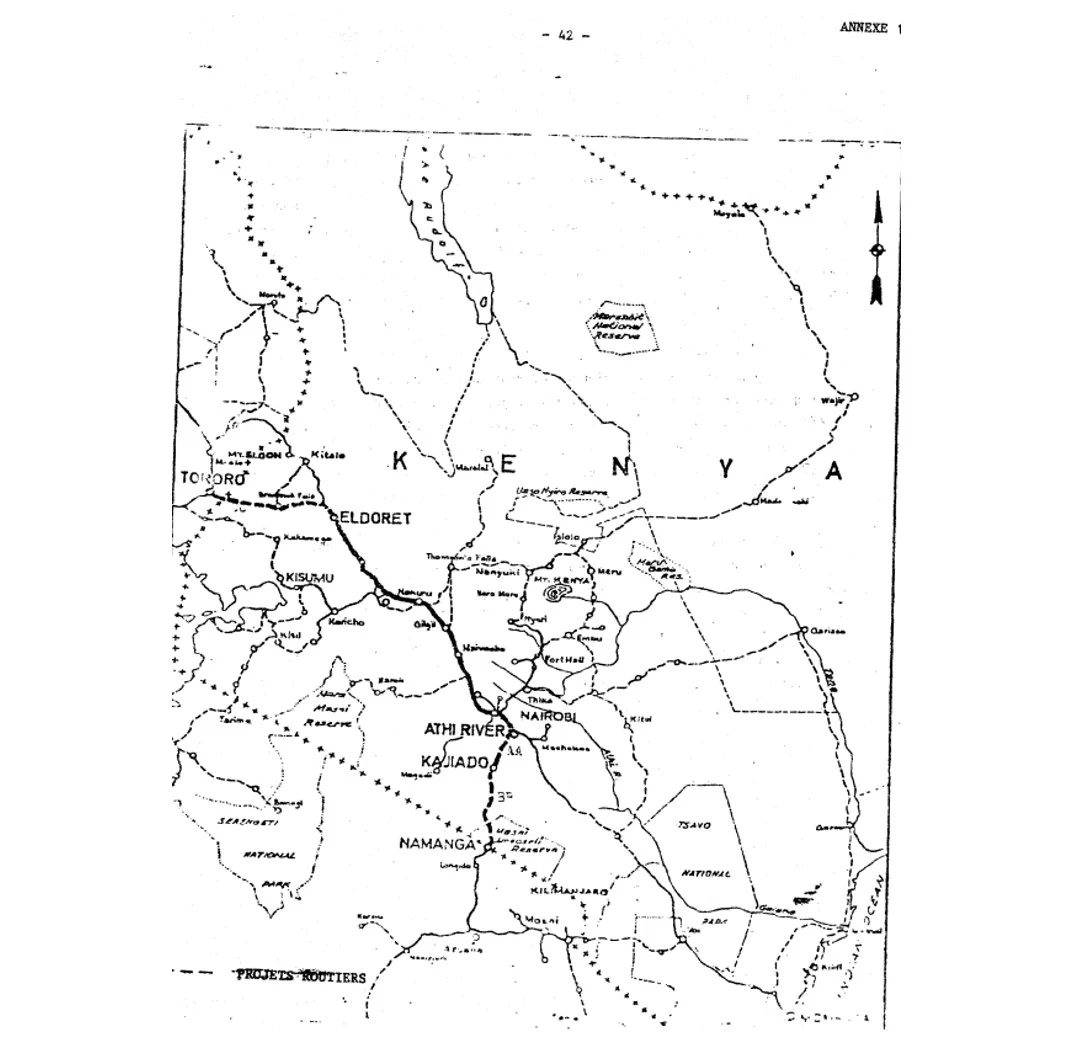
The first project financed by the AfDB, symbolizing the aspirations of an entire continent, was the reconstruction of two international road sections across Kenya. The project aimed to create new carriageways, significantly impacting Kenya’s Great North Road, spanning the 135-km Athi River-Namanga section (25 km south-west of Nairobi), which links the Athi River to the town of Namanga on the Tanzanian border; and the 117-km Eldoret-Tororo-Malaga section, which extends towards Lesuru, some 14 kilometers north-west of Eldoret, linking the Malaga river to the Ugandan border.



The Bank provided $2.3 million to co-finance the project’s first phase, implemented between 1967 and 1971. The total cost of the project, funded in partnership with the US development agency USAID, was $8.2 million.


Fortune favors the bold
The pioneering road project originated in 1966 when the Kenyan government applied for financing from the AfDB.
As stated in the project completion report: “The main justification for the project (by the government) is based on the fact that the roads are of national and international importance… The two roads are sections of the Great Northern Road, which links Dar es Salaam, the Tanzanian capital, with Nairobi in Kenya and Kampala in Uganda.”
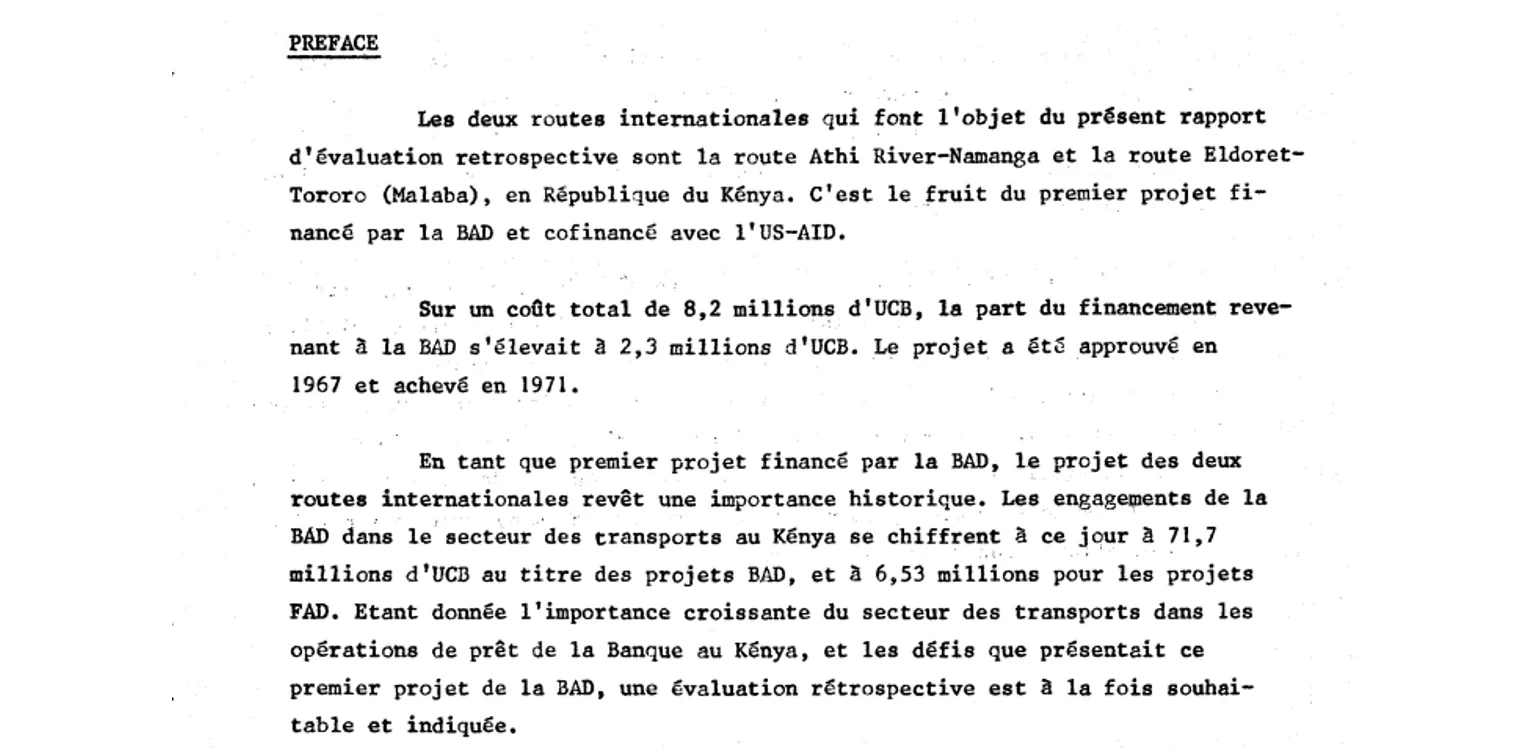
Nairobi drew as many as 52 expressions of interest, but only four companies ultimately submitted bids. The Italian company Impressa Rizzani won the tender, but did not complete the work, which was finalised by the British company Mowlem.
Kenya’s transport sector received several loans from the Bank’s commercial ADB window totaling $68.7 million between 1967 and 1983 and $6.53 million from the African Development Fund, the concessionary window, for infrastructure projects, setting an example that would be replicated across the African Continent.
In the last seven years, the AfDB has invested up to $44 billion in infrastructure, the largest single area of investment by the Bank across Africa. Projects range from constructing national roads and transport corridors to ports, railways, and power stations.
The success of the inaugural project in Kenya served as a “testing ground” for subsequent initiatives, solidifying the Bank Group’s reputation as a catalyst for progress. The uncertainty of the first days has given way to confidence and policy expertise thanks to the bold strategy of the AfDB founders, who overcame “Afro-pessimism” in favor of an “Afro-optimist” narrative, the magic of which continues to transform the continent.
The Bank’s stellar performance, reflected in its “AAA” ratings by international agencies with a Stable Outlook, is the only organization in Africa to achieve this ranking, and it affirms its visionary approach to shaping Africa’s future. Indeed, the gamble has paid off!