Africa’s largest financial institution, Standard Bank Group, has indicated continued support for Dangote Industries Limited, including prospective participation in the planned initial public offering of the Dangote Petroleum Refinery, alongside broader financing discussions linked to the conglomerate’s continental expansion strategy.
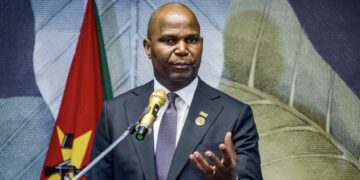
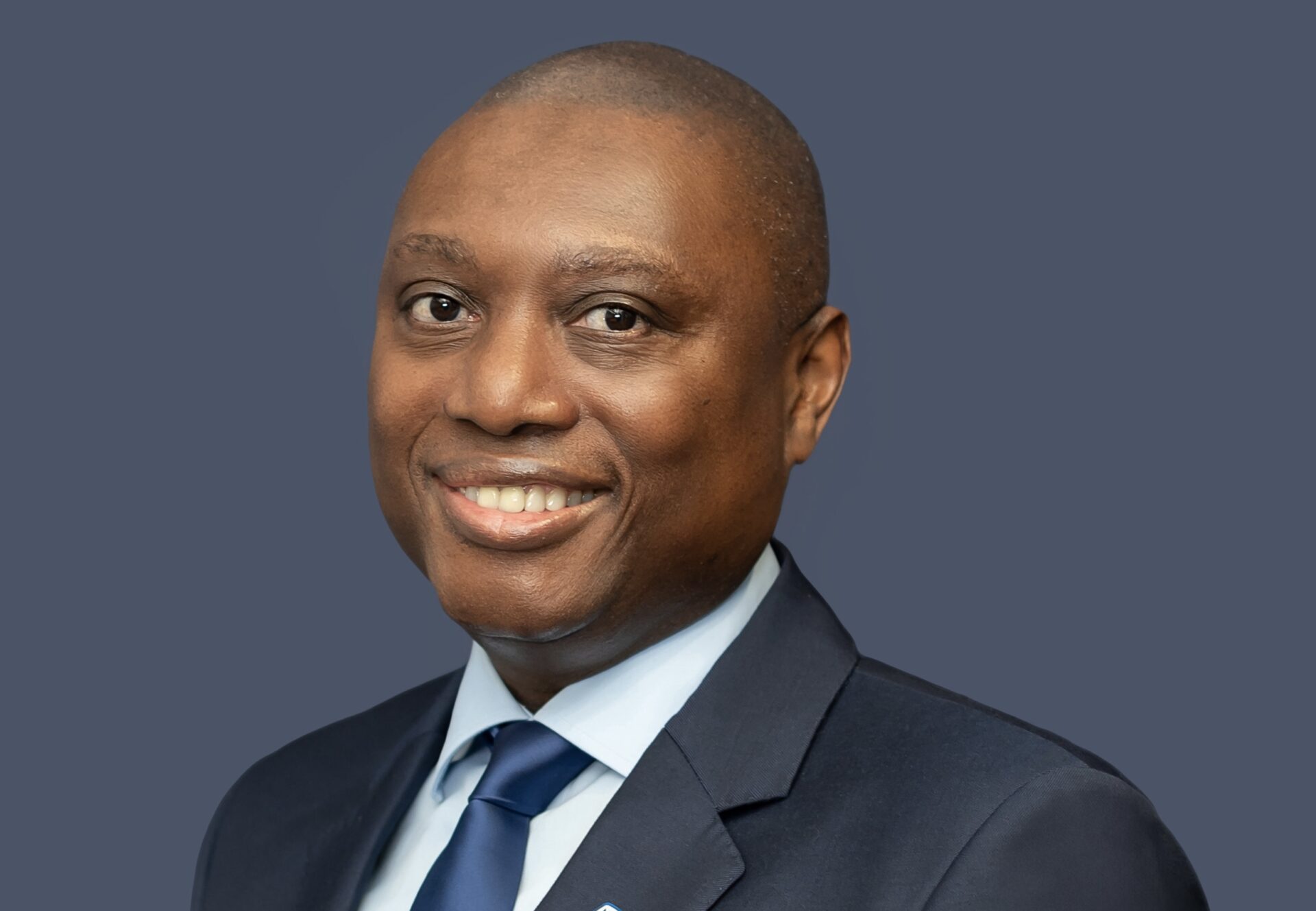
The position was outlined during a recent visit by senior executives of Standard Bank Group, led by Chief Executive Sim Tshabalala, to the Dangote Petroleum Refinery and Dangote Fertiliser complex in Lagos. The engagement formed part of ongoing corporate and investment dialogue between both institutions, which have maintained longstanding transactional and advisory relationships across multiple sectors.
During the visit, Tshabalala characterised the refinery as a significant industrial asset within Africa’s evolving energy and manufacturing landscape. He stated that Standard Bank’s engagement with the Dangote Industries Limited reflects both institutions’ interest in long term continental industrial development and capital mobilisation frameworks.



He noted that discussions included the proposed listing of the refinery, with Standard Bank signalling readiness to participate in advisory and financing roles where required. The bank’s involvement would be contingent on regulatory approvals and market conditions governing the eventual listing process of the Dangote Petroleum Refinery.
Tshabalala further observed that large scale industrial projects of this nature often carry implications beyond national boundaries, particularly in areas such as foreign exchange inflows, trade balances, and regional energy supply chains. His remarks aligned with broader perspectives among African financial institutions that increasingly view infrastructure and energy investments as integrated continental assets rather than isolated domestic projects.

From the operational side, representatives of Dangote Industries highlighted the evolution of the refinery since its construction phase. According to Group Vice President for Oil and Gas Devakumar Edwin, the engagement reflected a continuation of collaboration that began during project development, with financiers and advisors now able to assess operational outcomes following commissioning.
The refinery’s management also reported that recent performance tests indicated output levels above initial design specifications, with production reaching approximately seven hundred thousand barrels per day compared to a nameplate capacity of six hundred and fifty thousand barrels per day. While such figures are subject to operational variability and ongoing optimisation, they were presented as evidence of engineering flexibility within the facility’s design parameters.
Chief Executive Officer of the refinery David Bird stated that sustained partnerships between industrial operators and financial institutions remain central to the execution of large scale energy infrastructure across Africa. He noted that the project’s operational phase offers a basis for assessing long term efficiency, scalability, and integration into regional energy markets.
The engagement reflects a broader trend in which African financial institutions are increasingly positioned as both capital providers and strategic partners in large industrial developments. However, analysts note that the eventual success of any public listing would depend on multiple factors, including global energy market conditions, investor appetite, governance structures, and regulatory frameworks across jurisdictions.
Within this context, the refinery continues to be viewed as a key component in Nigeria’s domestic refining capacity expansion strategy, while also contributing to wider conversations about energy security and industrial self sufficiency across the continent.
The dialogue between Standard Bank Group and Dangote Industries underscores a growing convergence between African owned industrial assets and African led financial ecosystems, with both parties signalling an intent to deepen cooperation as new phases of expansion and capital raising are considered.