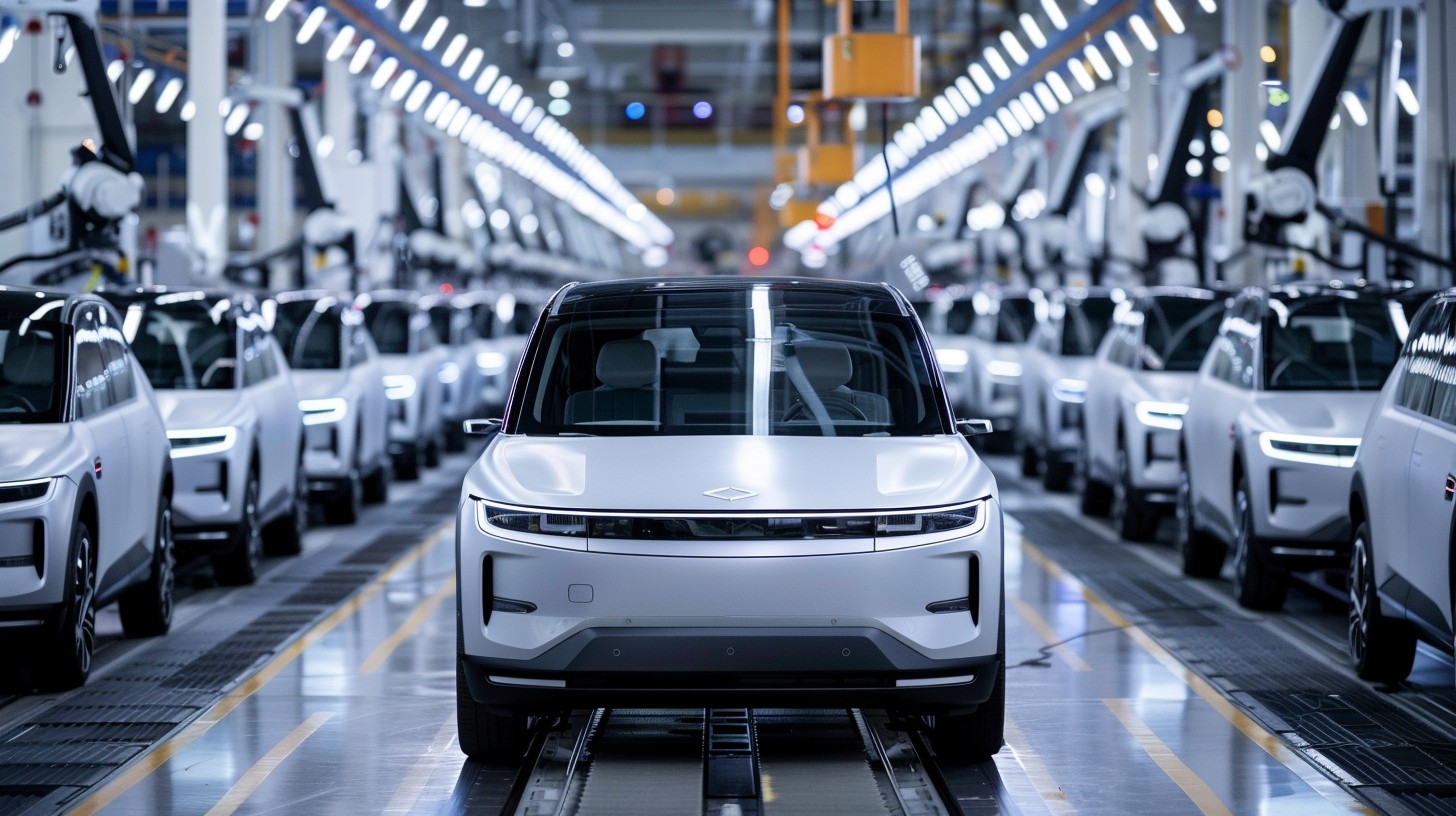
The Mozambican government has approved an international tender for the establishment of the country’s first vehicle assembly plant, to be implemented under a public-private partnership framework, in a move that reflects a deliberate policy effort to build domestic manufacturing capacity and reduce long-standing structural dependence on imported transport equipment.
The decision was announced on Tuesday by Health Minister Ussene Isse, who serves concurrently as government spokesperson, following a sitting of the Council of Ministers. The tender will seek to identify a private sector partner to co-develop the facility alongside the state, with the full terms of any eventual arrangement to be determined through the procurement process.
“The establishment of a vehicle assembly plant in the country emerges as a measure to address the high costs of acquiring buses, difficulties in designing buses adapted to local realities, and the need for greater flexibility in fleet renewal,” Isse stated.




The rationale outlined by the government speaks to a structural challenge that has shaped public transport provision across much of the continent. Reliance on imported vehicles, frequently sourced through intermediary markets, leaves urban and rural transport networks exposed to foreign exchange volatility and the constraints of supply chains that are neither designed nor maintained with local operating conditions in mind. A domestically assembled fleet offers the prospect of vehicles better suited to local road conditions and passenger volumes, as well as a more responsive supply chain for fleet renewal and maintenance.
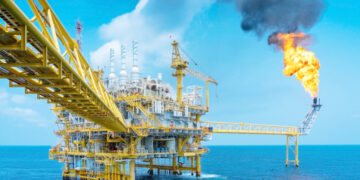
The project also carries an explicit energy dimension. The government has indicated that the assembly plant will be designed to accommodate vehicles powered by natural gas and electricity, positioning the initiative within Mozambique’s broader energy transition strategy. Mozambique holds some of the most substantial proven offshore natural gas reserves in sub-Saharan Africa, concentrated in the Rovuma Basin along the country’s northern coastline. Successive governments have sought to convert those resources into domestic industrial value, rather than treating raw hydrocarbon exports as the primary dividend from the sector.
The announcement sits within a broader pattern of policy emphasis on industrial transformation under President Daniel Chapo, who assumed office in January 2025. At the Mozambique Mining and Energy Conference in Maputo in May, Chapo articulated the country’s economic direction in explicitly transformative terms, indicating that the government sought to move decisively beyond the export of raw materials toward industrialisation, local value addition, and regional integration. The vehicle assembly initiative represents one of the more concrete expressions of that agenda to have been formally approved to date.
No timeline has been disclosed for the completion of the tender process or the projected start of operations at the proposed facility. Further detail on the scope and conditions of the procurement is expected as the process advances.