
At a time when international football clubs, federations and foundations are investing heavily in grassroots development as the cornerstone of long term success, Zimbabwean international Jordan Zemura is quietly building a similar model at home.
This past weekend, the Jordan Zemura Foundation hosted a youth football tournament and girls’ coaching initiative at Wise Owl Group of Schools in Westgate, Harare, bringing together eight primary schools from across Zimbabwe for a day that showcased both emerging talent and a broader vision for the future of the game.
The event, which featured an Under 13 seven-a-side tournament alongside a dedicated girls’ football development programme, reflected a growing recognition that sustainable football success begins long before players reach professional academies or national teams. It begins in schools, communities and grassroots structures where talent is first identified and nurtured.



For Zimbabwe, a country with no shortage of footballing ability but often criticised for inadequate youth development pathways, the significance of such initiatives extends well beyond a single tournament.
Zemura, who plays for Italian Serie A side Udinese and the Zimbabwe national team, has increasingly positioned his foundation as a vehicle for community development, youth empowerment and sporting opportunity. While many African footballers contribute through donations and charitable projects, the foundation’s emphasis on structured grassroots engagement mirrors approaches adopted by some of Europe’s most successful football systems.
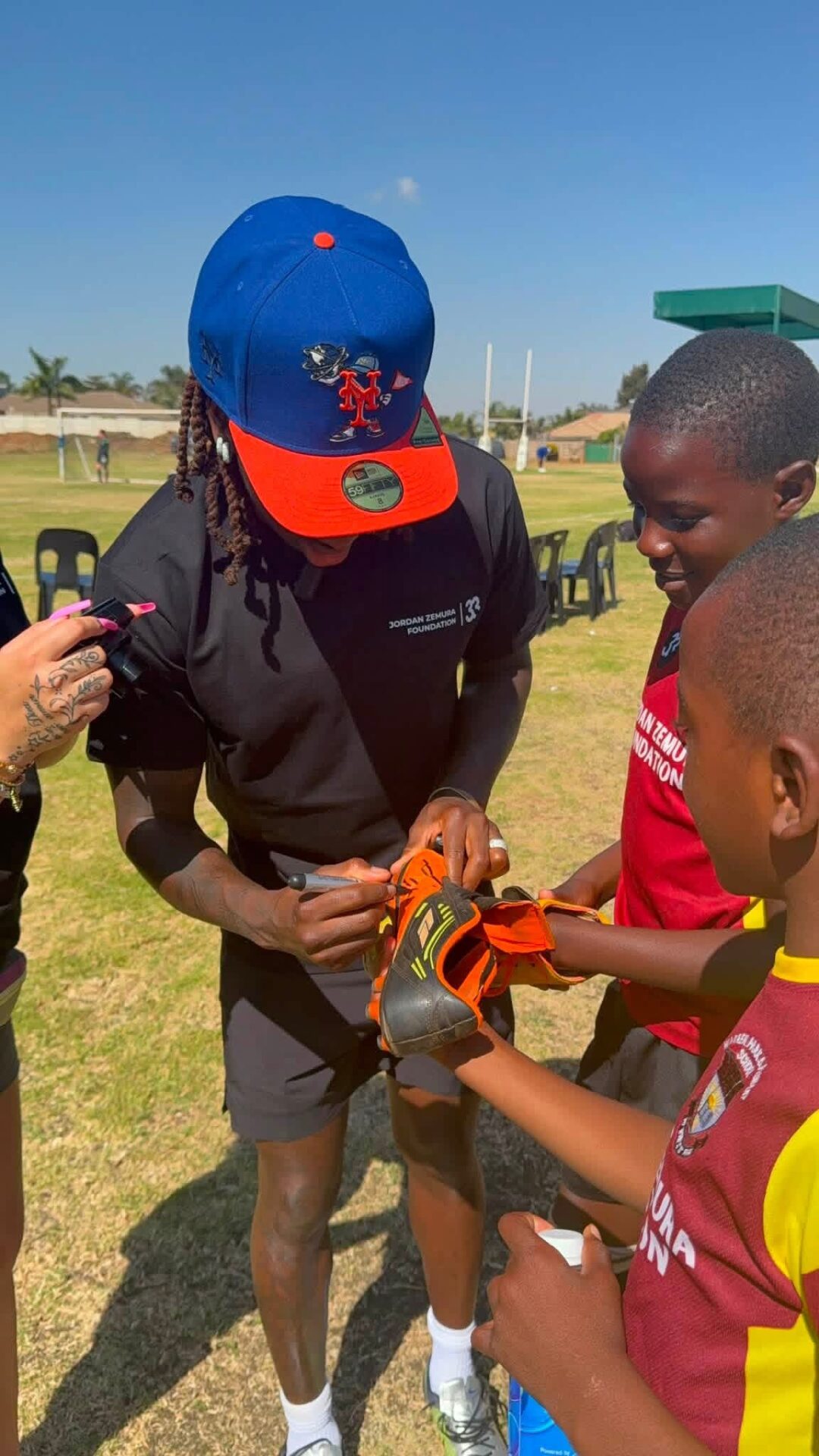
Across countries such as England, Germany, Spain and the Netherlands, investment in youth development has become central to producing elite talent. Academies are supported by school partnerships, coaching programmes, mentorship initiatives and community outreach projects designed to ensure children from diverse backgrounds have access to opportunities regardless of economic circumstances.
Zimbabwe’s football ecosystem has long struggled with limited resources at grassroots level, leaving many talented young players dependent on chance encounters, local tournaments or informal networks to advance their careers. Initiatives such as the Jordan Zemura Foundation’s tournament seek to address that gap by creating platforms where young players can compete, develop and gain exposure in structured environments.
The quality on display at the tournament offered a glimpse into the country’s potential.
Mutare-based Majesa Academy emerged as champions in the boys’ competition after impressing spectators with their technical quality and disciplined approach throughout the day. St John’s Preparatory School finished as runners up, while several other participating schools demonstrated the depth of talent that exists across Zimbabwe’s primary school football landscape.
Beyond the competition itself, organisers and coaches noted the exceptional standard of play among many participants, reinforcing a widely held belief that Zimbabwe continues to produce gifted young footballers despite longstanding structural challenges.
Equally important was the event’s commitment to girls’ football.
Two girls’ teams participated during the programme, with Warren Park 5 emerging victorious. Their reward extends beyond silverware. The team will participate in a special coaching and mentorship session with Zemura this week, providing young players with direct access to one of Zimbabwe’s most recognisable sporting figures.
The focus on girls reflects a broader global shift towards expanding opportunities for female athletes and ensuring that football development programmes are inclusive. In many parts of Africa, girls continue to face barriers to participation in sport, ranging from inadequate facilities to cultural perceptions and limited investment. Programmes that actively encourage their involvement are increasingly viewed as essential components of modern football development.
For Zemura, the initiative represents part of a wider commitment to Zimbabwe that extends far beyond football.
Despite growing up in the United Kingdom and establishing his professional career in Europe, he has maintained strong ties with his country of origin. Through his foundation, he has supported community projects including the provision of boreholes to rural schools, construction of sanitation facilities and distribution of football equipment to young people.
Such interventions recognise an important reality often overlooked in discussions about football development. Talent does not exist in isolation. Young athletes perform best when their broader social environments are supported through access to education, health services, safe infrastructure and community resources.
The tournament was supported by partners including Wise Owl Group of Schools, Coral Soft, Dravental Car Hire, Glytime Foods and Cimas, illustrating the growing role that private sector partnerships can play in community sport.
Zimbabwean football has spent much of the past two decades debating administrative reforms, league structures and national team performance. While those conversations remain important, many experts argue that the long term future of the game ultimately depends on what happens at grassroots level.
The world’s leading football nations did not achieve success through senior national teams alone. They built systems that identified talent early, provided consistent coaching and created environments where children could develop both as players and individuals.
That is what makes the Jordan Zemura Foundation’s work particularly noteworthy.
The tournament in Harare was not simply about determining which school would lift a trophy. It was about creating memories, building confidence, encouraging participation and demonstrating that young Zimbabweans deserve opportunities to dream bigger.


If sustained and expanded, initiatives of this nature could help reshape Zimbabwe’s football landscape over the coming decade. They offer a model in which elite athletes do more than inspire from afar. They become active participants in building the structures that future generations need to succeed.
For the hundreds of children who gathered in Westgate on Saturday, the experience may have felt like a day of football. For Zimbabwe’s football fraternity, it may well have been a glimpse of a more sustainable future.