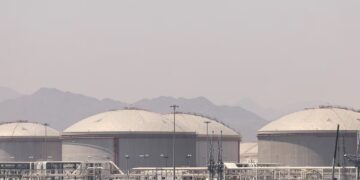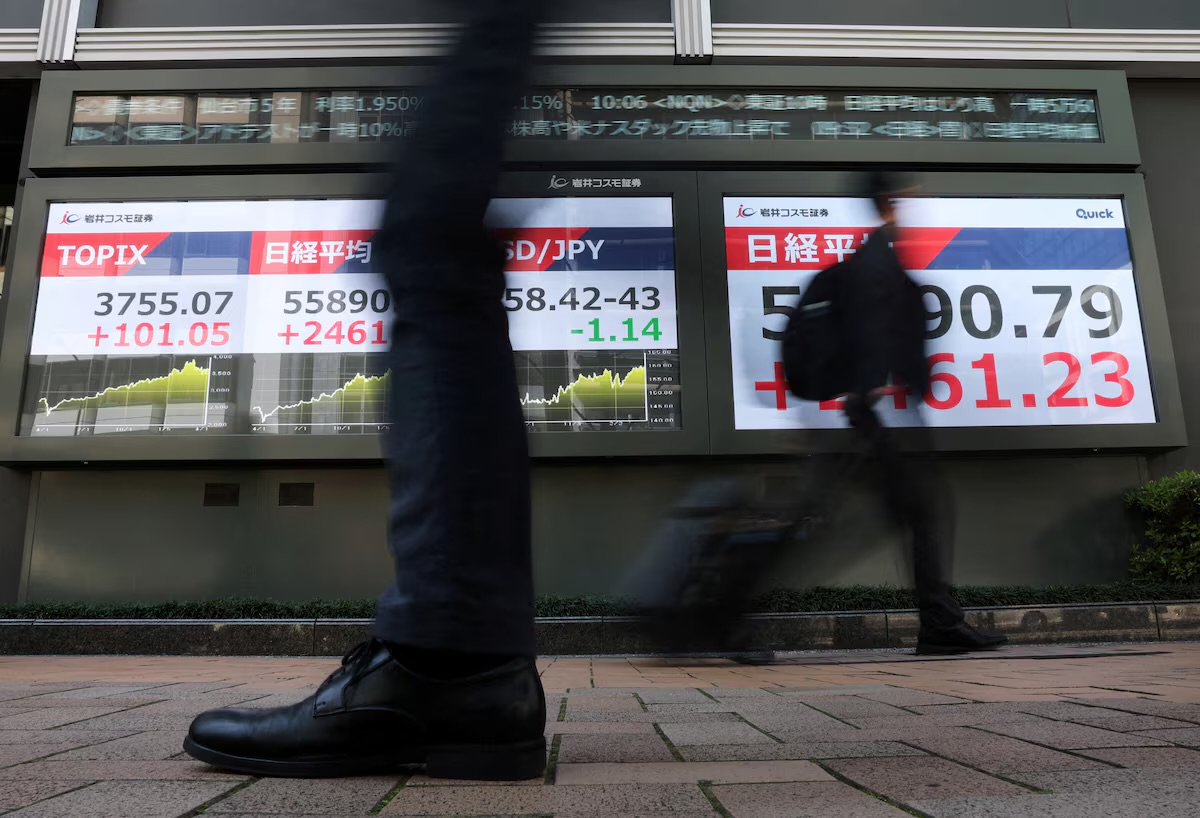
Global stock markets climbed to record highs on Friday while oil prices remained under pressure, as investors grew increasingly optimistic that a deal between the United States and Iran could help reopen the Strait of Hormuz and prolong a fragile ceasefire in the Middle East.
The positive sentiment pushed MSCI’s global stock index to an all time high, supported by continued enthusiasm around artificial intelligence and easing concerns over disruptions to global energy supplies.
Market attention remained firmly focused on reports that Washington and Tehran had reached an agreement in principle to extend their ceasefire and remove restrictions on shipping through the strategically important Strait of Hormuz. However, uncertainty remained after United States President Donald Trump had yet to formally approve the agreement, while Iranian state media reported that negotiations had not been fully concluded.



Despite the uncertainty, traders appeared increasingly confident that both sides were moving towards a resolution that could reduce tensions in one of the world’s most critical energy corridors.

Oil prices reflected that optimism. Brent crude futures fell by around one dollar to $92.69 per barrel, putting the benchmark on track for a weekly decline of more than 10%, its steepest drop in nearly two months.
The prospect of shipping routes reopening has eased fears of prolonged supply disruptions that had previously driven energy prices sharply higher. Nevertheless, analysts cautioned that the inflationary impact of recent oil price spikes may continue to influence global markets for some time.
Jason Wong, senior market strategist at BNZ in Wellington, said investors were already pricing in expectations that a deal would be reached and that normal shipping traffic would resume through the strait.
He noted that while the agreement would remove the risk of a worst case scenario for global markets, it was unlikely to trigger an immediate collapse in oil prices or government bond yields.
The United States dollar also headed towards a modest weekly decline, largely tracking lower Treasury yields. However, economists remain uncertain whether the fall in yields can be sustained if inflation remains elevated due to recent increases in fuel costs.
Meanwhile, enthusiasm surrounding artificial intelligence continued to drive equity markets higher. Major stock indices in Tokyo and Seoul gained around 2% on Friday, contributing to strong weekly performances across Asian markets.
Technology stocks remained at the centre of investor attention after computer manufacturer Dell raised its revenue outlook. The announcement sent Dell shares surging 39% in after hours trading and boosted sentiment across the broader technology sector.
The rally also spilled over into Asia, where Lenovo shares in Hong Kong continued their remarkable run. The company has gained nearly 60% this week, supported by strong annual results and growing optimism about demand linked to artificial intelligence infrastructure.
Investors increasingly view the AI boom as a long term growth story rather than a short lived trend. Damian McIntyre, head of multi asset solutions at Federated Hermes, said the investment cycle driven by artificial intelligence still had considerable room to run.
McIntyre said the firm had raised its target for the S&P 500 index to 8,000 by the end of this year and 9,000 next year, reflecting confidence in continued earnings growth and technology sector expansion.
For now, markets appear caught between two powerful forces: hopes for a diplomatic breakthrough in the Middle East and the ongoing momentum generated by artificial intelligence investments. Together, those factors have helped lift global equities to fresh highs while reducing demand for traditional safe haven assets and pushing oil prices lower.