Almost 300 Ghanaian nationals have returned home from South Africa following weeks of anti immigrant protests that heightened fears among foreign communities and prompted many to seek voluntary repatriation.
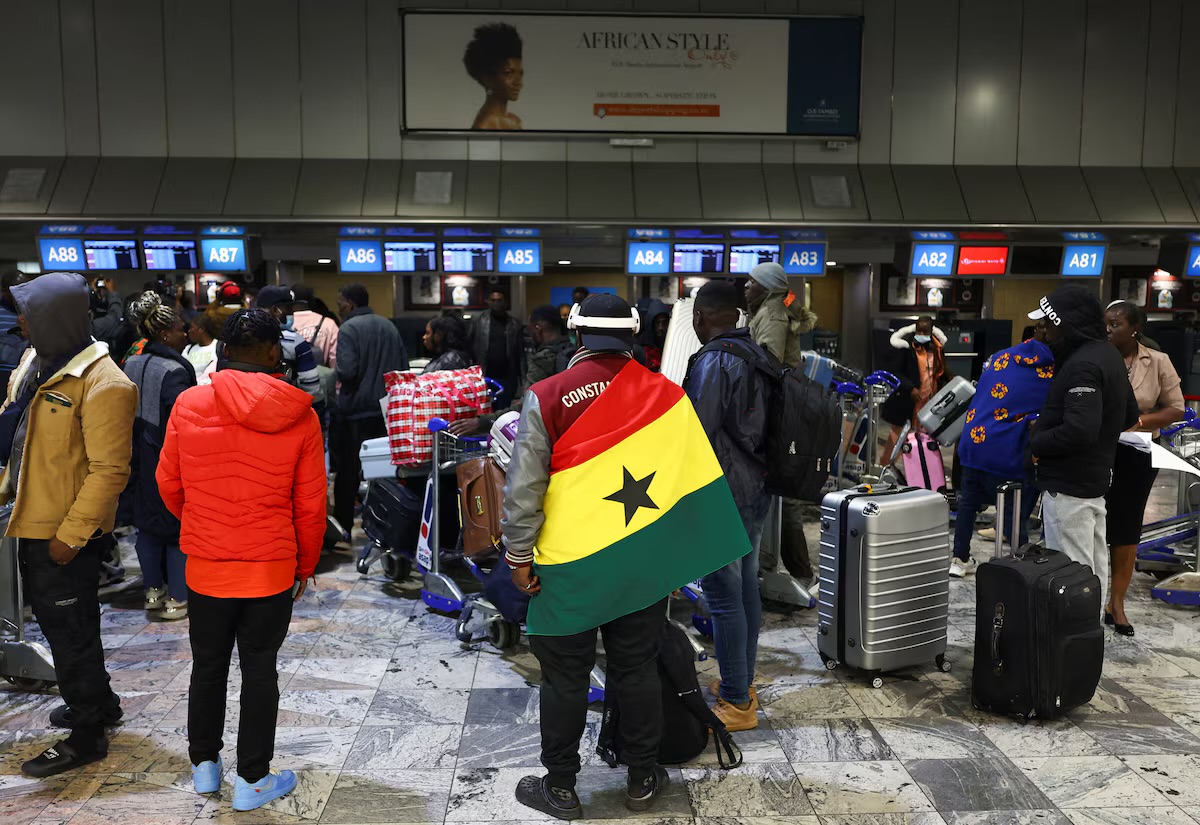
The group, which included children, arrived in Accra on Wednesday after boarding a chartered flight from Johannesburg. Ghanaian and South African authorities described the operation as a voluntary return programme for citizens who no longer felt safe remaining in the country.
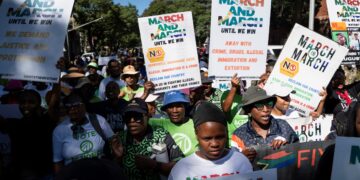
The repatriation effort comes amid growing tensions over immigration in South Africa, where campaign groups have intensified calls for stricter border controls and tougher enforcement against undocumented migrants. Demonstrations in several areas have fuelled anxiety among migrant communities, many of whom fear becoming targets of hostility despite having lived and worked in the country for years.



South African authorities have been working alongside the Ghanaian government to process requests from citizens wishing to return home. Officials say around 800 Ghanaians have expressed interest in leaving, suggesting that further flights may follow in the coming weeks.
An immigration official speaking to local broadcaster eNCA said that only a small number of those departing were legally resident in South Africa. According to the official, roughly 10 of the nearly 300 passengers held valid immigration status, while the remainder were found to be in violation of immigration regulations.
To facilitate the returns, the Ghanaian Embassy in Pretoria issued emergency travel certificates to citizens who had overstayed visas or lacked valid travel documentation. The arrangement allowed them to leave South Africa without facing prolonged legal or administrative hurdles.
At Kotoka International Airport, Ghana’s Foreign Minister Samuel Okudzeto Ablakwa personally welcomed the returnees and outlined plans to support their reintegration. He said the government would provide psychosocial assistance and financial support to help families rebuild their lives after returning home.
Addressing the group, Ablakwa reaffirmed the government’s commitment to protecting Ghanaian citizens abroad, stating that the state would continue to act wherever necessary to safeguard their rights and dignity.
The minister also revealed that 26 of the returnees had previously been detained in South Africa over immigration related issues. Ghanaian diplomats, he said, had negotiated their release and inclusion in the repatriation programme.

The development highlights the increasingly complex relationship between migration, unemployment and social tensions in South Africa, which remains one of the continent’s most attractive destinations for economic migrants. High unemployment, slow economic growth and pressure on public services have fuelled recurring debates about the role of foreign nationals in the labour market.
Critics of anti immigrant campaigns argue that migrants are often unfairly blamed for broader structural challenges facing the economy. Human rights organisations have repeatedly warned that inflammatory rhetoric can contribute to discrimination, violence and social division.
For many of those returning to Ghana, the decision to leave reflects a difficult calculation between economic opportunity and personal security. While South Africa continues to attract migrants from across the continent, recent events have underscored the vulnerabilities faced by foreign communities during periods of heightened political and social tension.
The repatriation programme is likely to remain under close scrutiny as both governments assess whether additional support measures will be needed for those choosing to return.