Tuesday, June 23, 2026
  • Login
The Southern African Times
  • Home
  • Southern Africa
  • Business
    • African Start ups
    • African Continental Free Trade Area
  • Technology
    • Lifestyle
      • Health
      • Culture
      • Food and Drink
      • Entertainment
  • Opinion
  • Sports
  • SAT Jobs
    • Events
  • About Us
    • Advertise with Us
    • Contact Us
No Result
View All Result
  • Home
  • Southern Africa
  • Business
    • African Start ups
    • African Continental Free Trade Area
  • Technology
    • Lifestyle
      • Health
      • Culture
      • Food and Drink
      • Entertainment
  • Opinion
  • Sports
  • SAT Jobs
    • Events
  • About Us
    • Advertise with Us
    • Contact Us
No Result
View All Result
The Southern African Times
No Result
View All Result
Home Energy

Namibia Raises Fuel Prices as Global Oil Market Volatility Persists

by SAT Reporter
May 8, 2026
in Energy, Namibia
0
Namibia Raises Fuel Prices as Global Oil Market Volatility Persists

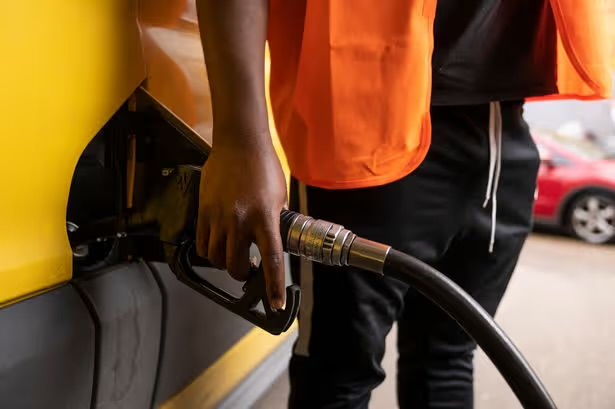
Namibia will increase fuel prices from 8 May following sustained pressure in international oil markets linked to geopolitical instability in the Middle East and broader supply chain concerns affecting global energy flows.

The Minister of Industries, Mines and Energy, Modestus Amutse, announced in Windhoek that the price of petrol will rise by 1.4 Namibian dollars per litre, while diesel 50ppm and diesel 10ppm will each increase by 4.63 Namibian dollars per litre.

Following the adjustment, the benchmark fuel prices at Walvis Bay will stand at 23.48 Namibian dollars per litre for petrol, 28.26 Namibian dollars for diesel 50ppm and 28.36 Namibian dollars for diesel 10ppm. Prices in other parts of the country are expected to vary according to regional transport and distribution costs.


ADVERTISEMENT

According to the ministry, the increase reflects continued volatility in international crude oil markets, alongside higher import and shipping costs affecting fuel dependent economies across southern Africa. Namibia imports the majority of its refined petroleum products and remains exposed to fluctuations in global energy markets despite regional efforts to strengthen energy resilience.

Amutse stated that although the adjustments are significant, Namibia’s fuel prices remain comparatively lower than several neighbouring states within the Common Monetary Area, which includes South Africa, Lesotho and Eswatini. Energy analysts across the region have noted that rising fuel costs continue to place pressure on household expenditure, freight logistics, agricultural production and public transport systems.

The Namibian government indicated that it will continue using the National Energy Fund to mitigate the full impact of global oil price increases on consumers. Authorities estimate that approximately 1.3 billion Namibian dollars will be absorbed through the fund to cover obligations to fuel suppliers for April and May.

The intervention reflects a broader policy trend across African economies where governments are attempting to balance fiscal sustainability with social protection amid inflationary pressures and currency fluctuations. Several countries on the continent have introduced temporary subsidies, strategic reserves and targeted interventions to stabilise domestic fuel markets while managing the wider economic consequences of imported inflation.

Namibia also reassured the public that national fuel reserves remain stable and that scheduled imports continue through existing international supply arrangements. Officials urged consumers to avoid panic purchasing and encouraged responsible fuel use during the period of adjustment.

The latest increase comes at a time when African economies are navigating a complex global energy environment shaped by geopolitical tensions, evolving trade routes and growing calls for greater continental energy sovereignty. Analysts have increasingly argued that long term investment in regional refining capacity, renewable energy infrastructure and intra African energy cooperation could reduce exposure to external shocks affecting fuel importing nations.

Namibia, which has in recent years attracted international attention following significant offshore oil discoveries, continues to position itself within broader continental discussions on energy security, industrialisation and equitable resource governance. Policymakers across southern Africa have emphasised that energy transitions on the continent must account for local developmental realities, economic inclusion and the need to expand access to affordable energy for communities and industries alike.

Tags: African economiesCommon Monetary AreaEnergy Securityfuel pricesglobal oil pricesInflationModestus AmutseNamibiaNational Energy Fundoil marketspetroleum importsregional energySouthern Africatransport costsWalvis Bay
Previous Post

Tanzania, Zambia Move to Ease Trade Barriers

Next Post

DR Congo Warns 2028 Elections Could Be Delayed if Eastern Conflict Persists

SAT Reporter

Related Posts

Namibia Emerges as a Bright Spot in Famous Brands’ Southern African Growth Story
in Southern Africa

Namibia Emerges as a Bright Spot in Famous Brands’ Southern African Growth Story

by Times Reporter
June 23, 2026
Namibia Welcomes Fresh Offshore Oil Discovery as Orange Basin Momentum Continues
in Southern Africa

Namibia Welcomes Fresh Offshore Oil Discovery as Orange Basin Momentum Continues

by Times Reporter
June 10, 2026
Eskom Launches Renewable Energy Unit to Drive Clean Power Expansion
Energy

Eskom Launches Renewable Energy Unit to Drive Clean Power Expansion

by SAT Reporter
June 10, 2026
Zimbabwe and Invictus Energy sign gas production agreement
Energy

Zimbabwe and Invictus Energy sign gas production agreement

by SAT Reporter
May 28, 2026
China Solar Exports Surge to Africa on Strong Demand
Energy

China Solar Exports Surge to Africa on Strong Demand

by SAT Reporter
May 21, 2026
Next Post
DR Congo Warns 2028 Elections Could Be Delayed if Eastern Conflict Persists

DR Congo Warns 2028 Elections Could Be Delayed if Eastern Conflict Persists

Browse by Category

  • Africa AI
  • African Continental Free Trade Area
  • African Debt
  • African Start ups
  • Agriculture
  • AI Africa
  • Algeria
  • All News
  • Analysis
  • Angola
  • Arts / Culture
  • Asia
  • Botswana
  • BOTSWANA
  • BREAKING NEWS
  • BRICS
  • Burkina Faso
  • Burundi
  • Business
  • Business
  • Business Wire
  • Cameroon
  • Central Africa
  • Chad
  • China
  • Climate Change
  • Climate Changev
  • Community
  • Congo Republic
  • Conservation
  • Côte d’Ivoire
  • COVID 19
  • CRYPTOCURRENCY
  • Culture
  • Democratic Republic of Congo
  • Diplomacy
  • Eastern Africa
  • Economic Development
  • Economy
  • Education
  • Egypt
  • Elections 2024
  • Energy
  • Entertainment
  • Environment
  • Eritrea
  • Ethiopia
  • Europe
  • Fashion
  • Feature
  • Finance
  • Financial Inclusion
  • Food
  • Food and Drink
  • Foods
  • GABON
  • Ghana
  • Global
  • Global Africa
  • Guinea
  • Health
  • Humanitarian Aid
  • Immigration
  • in Southern Africa
  • International news
  • International Relations
  • Investment
  • Ivory Coast
  • Just In
  • Kenya
  • Lesotho
  • Libya
  • Life Style
  • Lifestyle
  • Literature
  • Malawi
  • Malawi
  • Mali
  • Markets
  • Mauritius
  • Middle East
  • Mining in Africa
  • Morocco
  • Mozambique
  • Namibia
  • Niger
  • niger
  • Nigeria
  • North Africa
  • North-Eastern Africa
  • Obituaries
  • Obituary
  • Opinion
  • PARTNER CONTENT
  • Politics
  • Property
  • Racism
  • Rwanda
  • Rwanda
  • SADC
  • SAT Interviews
  • SAT Investigation
  • SAT Jobs
  • Saudi Arabia
  • Senegal
  • Seychelles
  • Somaliland
  • South Africa
  • South Sudan
  • Sports
  • Startup Africa
  • STOCK EXCHANGE
  • Sudan
  • Sustainability
  • Sustainablity
  • Tanzania
  • Technology
  • Telecommunications
  • The Editorial Board
  • The Power Of She
  • Togo
  • Trade
  • Travel
  • Travel
  • Tunisia
  • Uganda
  • Uncategorized
  • Wealth
  • West Africa
  • World
  • World
  • ZAMBIA
  • Zambia
  • ZIMBABWE
  • Zimbabwe

Browse by Tags

#NewsUpdate #SouthAfrica #SouthernAfricanTimes #TheSouthernAfricanTimes AfCFTA africa African Continental Free Trade Area African development African Development Bank African economies African economy African Union Agriculture Angola Botswana China Climate change Cyril Ramaphosa Economic Development economic growth energy transition Ghana governance industrialisation Inflation Infrastructure Infrastructure Development International relations Investment Kenya Mozambique Namibia news Nigeria Regional Integration renewable energy Rwanda SADC South Africa Southern Africa sustainable development Tanzania United States Zambia Zimbabwe
ADVERTISEMENT

WHO WE ARE

The Southern African Times is a regional bloc digital newspaper that covers Southern African and world news. The paper also gives a nuanced analysis on news and covers a wide range of reporting which include sports, entertainment, foreign affairs, arts and culture.

Welcome Back!

Login to your account below

Forgotten Password?

Retrieve your password

Please enter your username or email address to reset your password.

Log In
  • Home
  • Southern Africa
  • Business
    • African Start ups
    • African Continental Free Trade Area
  • Technology
    • Lifestyle
      • Health
      • Culture
      • Food and Drink
      • Entertainment
  • Opinion
  • Sports
  • SAT Jobs
    • Events
  • About Us
    • Advertise with Us
    • Contact Us
Not enough quota to unlock this post
Unlock left : 0
Are you sure want to cancel subscription?