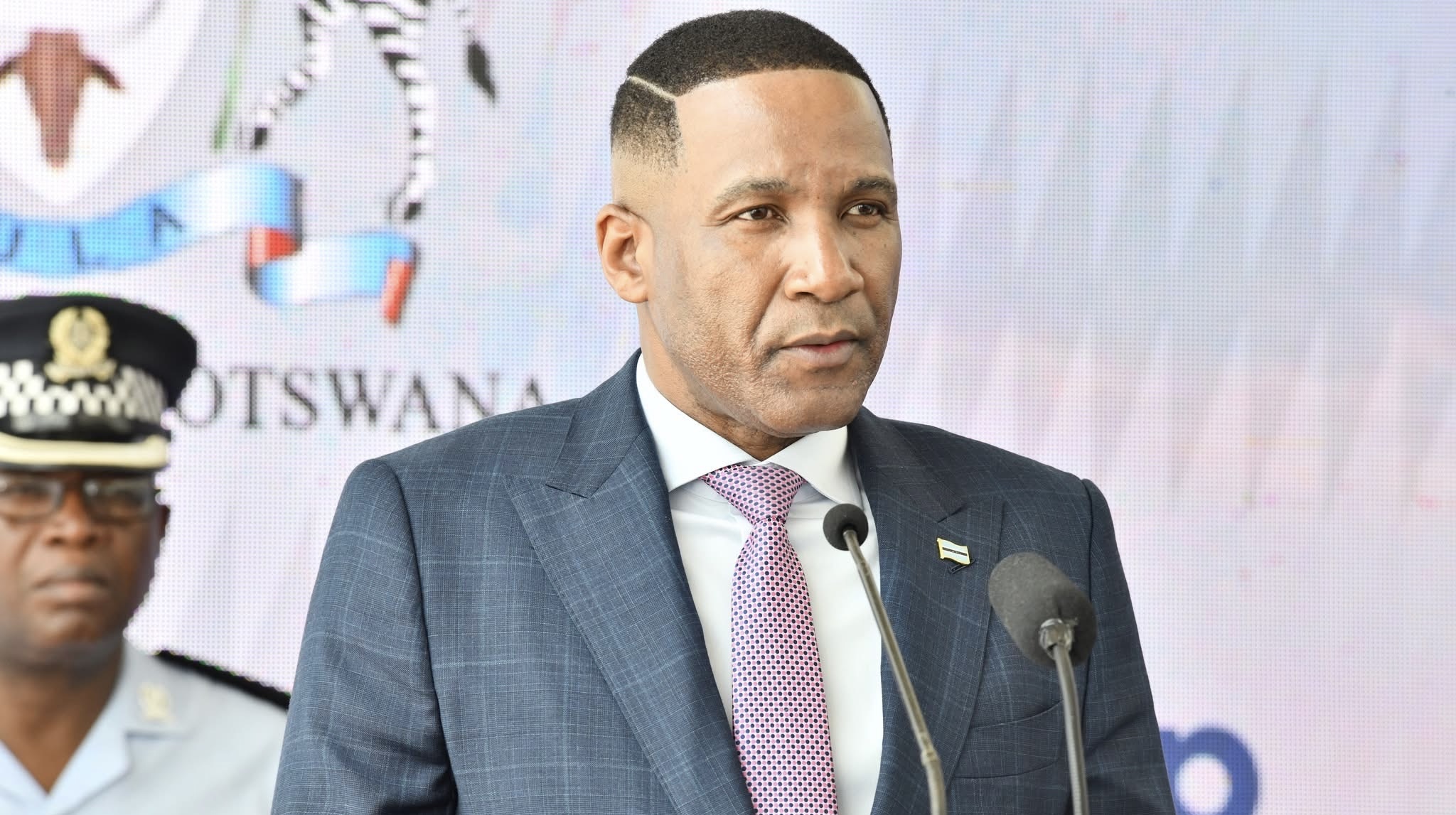
Botswana has outlined an ambitious and highly structured economic transformation agenda that seeks to reposition its development trajectory within a rapidly shifting global and continental context. Presented at the African Markets Conference 2026, the Botswana Economic Transformation Programme brings together 186 investment ready projects across nine sectors, with an estimated requirement of BWP 514 billion in private capital over the next eleven years. The initiative is framed as a decisive effort to transition from a resource dependent model towards a more diversified, export oriented and inclusive economy.
At the centre of the programme lies a clear acknowledgement of structural vulnerability. Botswana’s development since independence has been closely tied to diamond extraction, which continues to account for a substantial share of export earnings and government revenue through the Debswana partnership with De Beers. While this model has delivered relative macroeconomic stability and elevated the country to upper middle income status, it has also exposed the economy to fluctuations in global commodity demand. Recent data from the African Development Bank indicate that economic performance weakened in 2024, largely due to declining diamond demand and climate related pressures, reinforcing concerns about concentration risk.
The government’s target is to raise gross national income per capita from approximately 7750 United States dollars in 2024 to above the projected high income threshold of 15730 dollars by 2036. Achieving this would require sustained annual growth in per capita income of just over six percent, significantly above historical averages. The programme therefore represents not only an expansion of investment activity but a reconfiguration of the country’s growth model.



The project pipeline reflects this ambition. It spans agriculture, energy and mining, education, manufacturing, tourism, infrastructure, healthcare, financial services, digitalisation and social protection. Each project has been assigned implementation timelines, funding structures and institutional responsibilities. The design process itself involved a broad based consultative approach, beginning with thousands of public submissions and narrowing through technical evaluation and stakeholder engagement into a more targeted portfolio.
Energy is positioned as a central pillar of transformation. Botswana currently operates with installed generation capacity of under one gigawatt, largely coal based. The programme aims to expand this to over ten gigawatts by 2036, while increasing the share of renewable energy significantly. Planned investments include large scale solar generation and battery storage projects, as well as grid modernisation through public private partnership frameworks involving the Botswana Power Corporation. This shift aligns with wider regional trends towards energy diversification and cross border power trade under the Southern African Power Pool.

In the mining sector, the emphasis is on beneficiation and value addition rather than extraction alone. Non diamond minerals currently contribute a relatively modest share of exports, but the programme seeks to expand this through investments in copper refining, manganese processing and iron ore development. This approach reflects broader continental priorities articulated in frameworks such as the African Mining Vision, which encourages local processing and industrial linkages.
Infrastructure development is framed within a regional integration perspective. Rail and logistics corridors connecting Botswana to Zambia, South Africa and the Democratic Republic of Congo are intended to position the country as a transit and trade hub within Southern Africa. These projects are expected to enhance intra African trade flows in line with the objectives of the African Continental Free Trade Area, while also supporting domestic industrialisation.
Agriculture, manufacturing and tourism are also targeted for expansion, with a focus on reducing import dependence, increasing export diversification and creating employment opportunities. Unemployment remains a significant concern, with recent national statistics indicating rates exceeding twenty percent in several districts. The programme therefore places emphasis on job creation across sectors, alongside skills development and social inclusion.
Financing remains one of the most complex dimensions of the initiative. Domestic credit to the private sector in Botswana is relatively low compared to regional peers, limiting the capacity for internally driven investment. As a result, the programme is heavily oriented towards attracting international capital, supported by investment roadshows and engagement with global financial institutions. While this approach opens opportunities for foreign direct investment, it also introduces exposure to external market conditions and investor sentiment.
The legislative and regulatory framework is identified as a critical enabler. The programme outlines more than thirty proposed reforms, including updates to energy legislation, financial sector restructuring and agricultural policy adjustments. These reforms are intended to create a more conducive environment for private investment, though their implementation will require sustained institutional coordination.
Taken together, the Botswana Economic Transformation Programme represents one of the most detailed national development frameworks currently emerging from the region. Its emphasis on diversification, regional integration and private sector participation reflects a broader shift in African economic policy thinking, which increasingly prioritises resilience, value addition and intra continental collaboration. At the same time, the scale of ambition raises important questions about implementation capacity, financing sustainability and the pace of institutional reform.
For Botswana, the programme signals both continuity and change. It builds on a legacy of prudent economic management while acknowledging the need for structural transformation in a changing global economy. Its success will depend not only on project execution but on the extent to which it can foster a more inclusive and adaptive economic system that resonates with the lived realities of its population and its position within the African continent.