
Tourvest Accommodation has introduced Tulia, a safari brand positioned to address sustained demand for mid range, experience led travel, alongside the acquisition of the Uganda properties and activities business previously operated by Wild Frontiers. The development signals a strategic expansion of the group’s East African portfolio and reflects broader shifts in traveller preferences toward value driven yet high quality safari offerings.
Tourvest, a division of the South Africa based Tourvest Group, operates across multiple tourism segments including accommodation, transport and destination management. Its existing East African portfolio includes Lemala Camps and Lodges, which is positioned within the premium safari segment, and Adrift, known for adventure tourism experiences in Uganda and East Africa. The introduction of Tulia adds a third tier to this structure, aimed at travellers seeking reliable, well located safari experiences without the price point associated with luxury lodges.
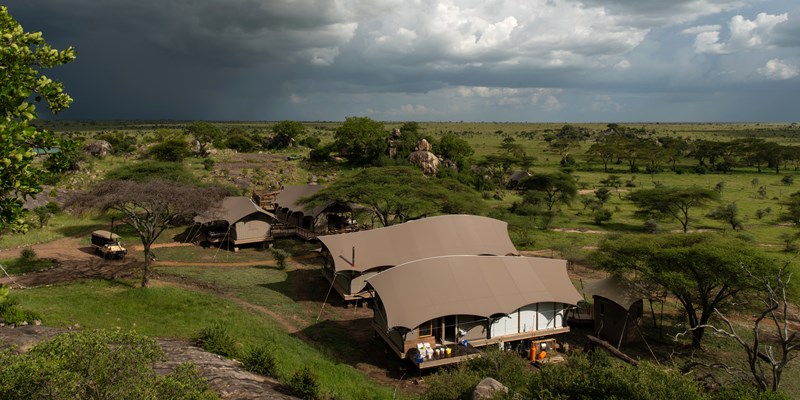
The newly consolidated Tulia portfolio comprises four properties located across Kenya and Uganda. Tulia Amboseli in Kenya, already operational prior to the expansion, is joined by three Uganda properties now rebranded as Tulia Buhoma, Tulia Ishasha and Tulia Murchison Falls. These sites are situated within established conservation landscapes that continue to attract regional and international visitors. Bwindi Impenetrable National Park, where Buhoma is located, is internationally recognised for mountain gorilla tracking. Queen Elizabeth National Park, home to Ishasha, is noted for its population of tree climbing lions, while Murchison Falls National Park remains one of Uganda’s most visited protected areas due to its biodiversity and the presence of the Nile’s dramatic falls.




According to publicly available information from Tourvest, the Tulia concept has been developed in response to consistent feedback from travel advisors and guests who identify a gap between budget accommodation and high end safari lodges. The brand’s operational model emphasises core elements such as location, guiding, comfort and service reliability, rather than extensive luxury add ons. This includes provision of well maintained vehicles, experienced guides, functional yet comfortable accommodation and locally grounded culinary offerings.
Commenting on the launch, Moseketsi Mpeta, Chief Executive Officer of Tourvest Accommodation, indicated that the brand is grounded in a focus on core safari expectations rather than embellishment. He stated that Tulia is centred on ensuring guests are in appropriate wildlife locations, supported by knowledgeable guides, and able to return to dependable levels of comfort at the end of each day. He further noted that the intention is to prioritise these fundamentals without unnecessary additions, while maintaining consistent quality across the portfolio.
Mpeta also addressed the group’s approach to expansion, describing the acquisition led model as a considered response to both environmental and operational realities. He indicated that investing in existing properties allows the organisation to channel resources into people, service delivery and overall guest experience, rather than undertaking new developments in ecologically sensitive areas. This approach, he suggested, aligns with a broader view of responsible growth within the tourism sector.
The Uganda acquisition brings with it established infrastructure and experienced operational teams. Wild Frontiers has long been active in East Africa’s adventure tourism sector, particularly in Uganda, where it has developed river based and safari experiences. Integrating these assets into the Tulia framework allows for continuity in employment and local expertise, while aligning the properties with Tourvest’s broader operational systems.
Industry observers have noted a growing diversification in African safari markets over the past decade. While high end tourism remains a significant revenue driver, there has been measurable growth in demand for mid tier experiences that prioritise authenticity and access over exclusivity. This trend has been reinforced by increased intra African travel and a wider demographic of international visitors seeking more flexible pricing structures.

Tourvest’s stated approach to expansion under Tulia focuses on acquisition and enhancement rather than new build developments. This aligns with wider discussions in conservation and tourism policy circles regarding land use pressures in ecologically sensitive areas. By investing in existing properties, operators may reduce the environmental impact associated with new construction while directing capital toward staff development, maintenance and improved guest services.
Within the broader African tourism landscape, the move reflects ongoing efforts by regional operators to position themselves across multiple market segments. The coexistence of Lemala, Adrift and Tulia within a single portfolio enables Tourvest to cater to varied travel motivations, from high end photographic safaris to adventure tourism and more accessible wildlife experiences.
The expansion also underscores East Africa’s continued significance within the continent’s tourism economy. Countries such as Kenya and Uganda maintain strong global recognition for wildlife tourism, while also engaging in policy debates around sustainability, community participation and equitable benefit sharing. In this context, business models that emphasise long term investment and local employment remain central to discussions about the future of the sector.
Tourvest has framed Tulia as part of its broader organisational purpose of linking tourism with social and economic value. The extent to which this model contributes to local development outcomes will likely depend on implementation at site level, including employment practices, procurement and partnerships with surrounding communities.

As African tourism continues to evolve, initiatives such as Tulia illustrate how operators are responding to changing market dynamics while navigating the environmental and social responsibilities inherent in the sector. The emphasis on essential quality, operational consistency and geographic positioning suggests a pragmatic approach shaped by both traveller expectations and regional realities.