Munch & Sip is moving beyond the festival format that helped define its rise, launching a new large scale culinary platform that signals broader ambitions for Zimbabwe’s creative and cultural economy.
The Zimbabwean food, drink and music brand has announced the debut of Munch and Sip Pantry, a curated culinary experience set to launch in Harare on 29 August before a second edition in Bulawayo on 31 December, positioning the platform at the centre of a growing conversation around food, culture and creative enterprise on the continent.
Founded in 2018 by Mandipa Masuku, Munch and Sip has evolved from an intimate social gathering into one of Zimbabwe’s most recognisable cultural platforms, staging 28 editions and drawing more than 88,000 attendees across multiple cities, including diaspora markets. The launch of The Pantry marks its boldest expansion yet.




Rather than another festival edition, The Pantry is being framed as an immersive food centred experience where culinary storytelling, music, art and commerce intersect. Organisers say the concept is designed to create a more intentional gathering, with controlled numbers aimed at maintaining intimacy while still preserving the scale and energy for which the brand has become known.
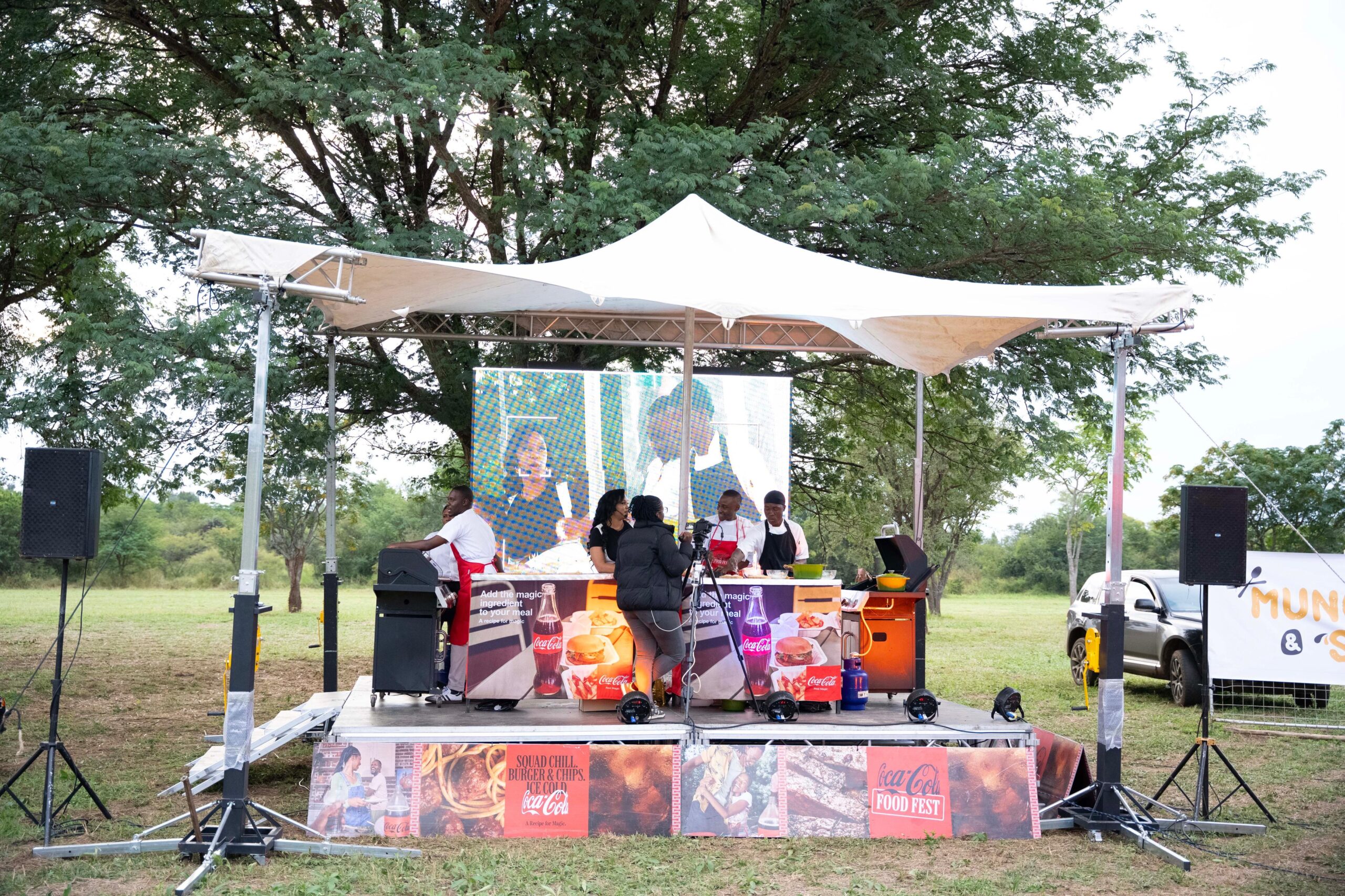
At its heart is a vision that places Zimbabwean food culture at the forefront. Curated tasting tables, live cooking demonstrations, chef led activations, food vendors and lifestyle experiences are expected to shape an event that moves beyond entertainment into something closer to a living cultural showcase.
The launch also reflects a deeper economic ambition. As conversations around Africa’s creative industries increasingly include food as both cultural expression and commercial opportunity, Munch and Sip is positioning itself as more than an events brand, instead presenting itself as part of a wider creative economy ecosystem.
By bringing together chefs, food entrepreneurs, brands and audiences, the platform aims to create a marketplace that supports small businesses while elevating local culinary narratives. It is a model that taps into broader continental interest in indigenous ingredients, authentic food storytelling and the growing power of cultural exports rooted in African identity.
That ambition is reinforced by the platform’s reach. With a sizeable diaspora audience and growing digital footprint, organisers see The Pantry as a scalable concept capable of carrying Zimbabwean food culture beyond national borders.
Masuku described the new platform as a celebration of Zimbabwe’s food culture in its fullest form, built around the stories, communities and creativity that shape what people eat and how they gather.

The Harare edition is expected to lean heavily into its identity as a curated culinary festival, while the Bulawayo instalment will retain a stronger emphasis on live music and community energy, reflecting the dual identity that has long shaped the Munch and Sip brand.
In a region where food festivals are increasingly becoming markers of cultural soft power, The Pantry arrives with ambitions that extend well beyond the plate. For Munch and Sip, it is not simply a new event, but an attempt to build a platform through which Zimbabwe can project its culinary imagination at scale.