Sunday, May 31, 2026
  • Login
The Southern African Times
  • Home
  • Southern Africa
  • Business
    • African Start ups
    • African Continental Free Trade Area
  • Technology
    • Lifestyle
      • Health
      • Culture
      • Food and Drink
      • Entertainment
  • Opinion
  • Sports
  • SAT Jobs
    • Events
  • About Us
    • Advertise with Us
    • Contact Us
No Result
View All Result
  • Home
  • Southern Africa
  • Business
    • African Start ups
    • African Continental Free Trade Area
  • Technology
    • Lifestyle
      • Health
      • Culture
      • Food and Drink
      • Entertainment
  • Opinion
  • Sports
  • SAT Jobs
    • Events
  • About Us
    • Advertise with Us
    • Contact Us
No Result
View All Result
The Southern African Times
No Result
View All Result
Home Economy

Developing Nations Frustrated as IMF Talks Yield Few New Solutions

by SAT Reporter
April 20, 2026
in Economy
0
Developing Nations Frustrated as IMF Talks Yield Few New Solutions

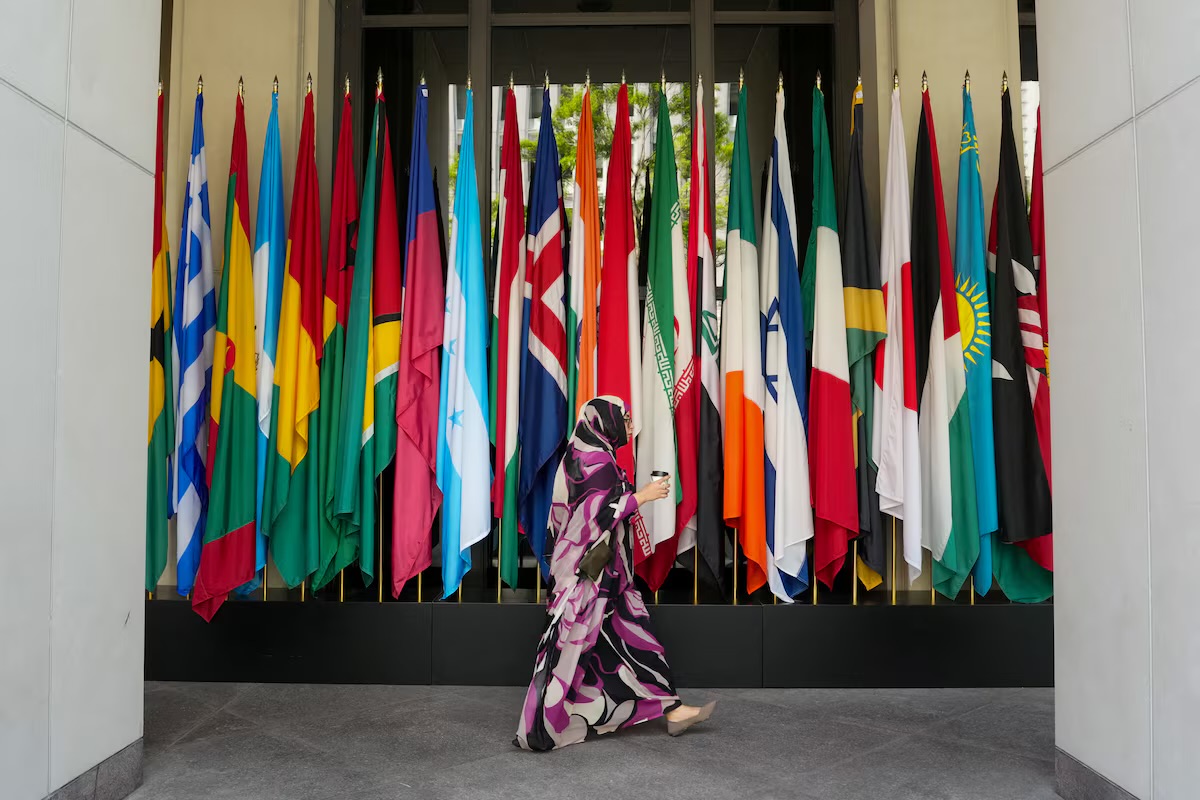
Policymakers from developing economies left this week’s meetings of the International Monetary Fund and the World Bank with growing frustration, warning that repeated external shocks are undermining hard won economic reforms and pushing millions closer to crisis.

The latest strain comes from the ongoing conflict involving Iran, which has driven sharp increases in oil and fertiliser prices, adding fresh pressure to economies already weakened by the pandemic, the Russia Ukraine war and shifting global trade policies. For many countries, the result has been rising inflation, strained public finances and slowing growth.

The IMF has already revised its 2026 growth forecast for emerging markets downward to 3.9%, from 4.2% earlier in the year, with further declines possible if the conflict persists. Officials warn that the latest shock risks reversing progress in countries that had only recently stabilised their economies after debt crises.


ADVERTISEMENT

Among the most vulnerable are nations such as Zambia and Sri Lanka, both of which have undergone painful debt restructuring processes. New fiscal pressures now threaten to undo those gains, while other economies are seeing the financial buffers built in recent years steadily eroded.

Finance leaders described a sense of fatigue at being forced to respond to successive crises beyond their control. Wale Edun noted that despite reforms including subsidy removal and foreign exchange adjustments, Nigeria continues to face repeated external disruptions that dilute progress and investor confidence.

Across the meetings, calls grew louder for a shift in approach. While the IMF and World Bank outlined existing support mechanisms, including emergency financing and crisis response funds, many delegates argued that these tools are no longer sufficient for the scale and frequency of current shocks. IMF Managing Director Kristalina Georgieva indicated that at least a dozen countries are already seeking financial assistance, with potential demand ranging between 20 billion and 50 billion dollars.

The World Bank, led by Ajay Banga, signalled it could mobilise up to 100 billion dollars if required, but stopped short of introducing new frameworks akin to those deployed during the height of the pandemic. The absence of fresh instruments has drawn criticism from economists who argue that existing measures have failed to place vulnerable economies on a sustainable footing.

Beyond immediate financial support, a growing number of policymakers are now advocating for greater self reliance and regional coordination. This includes expanding intra African trade, strengthening domestic resource mobilisation and accelerating investment in renewable energy to reduce exposure to global commodity shocks.

There is also renewed focus on leveraging critical minerals and other natural resources to drive industrial growth and job creation. In Asia, countries such as Vietnam and Indonesia have already moved to increase investment in renewable energy as part of broader resilience strategies.

Despite these efforts, the outlook remains precarious. World Bank estimates suggest a prolonged conflict could push an additional 50 million people into acute food insecurity, while millions more face job losses. For many developing nations, the challenge is no longer just recovery, but survival in an increasingly volatile global economy.


Tags: #DevelopingCountries#EnergyCrisis#GlobalEconomy#WorldBankafricaIMFInflation
Previous Post

US Deportation Deal with DR Congo Raises Legal and Security Questions

Next Post

Nigerian Airlines Suspend Planned Strike After Government Intervention

SAT Reporter

Related Posts

Africa emerges as a central corridor in reconfigured global shipping routes
Economy

Africa emerges as a central corridor in reconfigured global shipping routes

by SAT Reporter
May 3, 2026
Tanzania Telecom and Internet Use Surge as Infrastructure Expands
Economy

Tanzania Telecom and Internet Use Surge as Infrastructure Expands

by SAT Reporter
May 1, 2026
Africa’s Waters Under Siege: Foreign Fleets and the Fight for the Blue Economy
Economy

Africa’s Waters Under Siege: Foreign Fleets and the Fight for the Blue Economy

by SAT Reporter
April 26, 2026
China’s zero tariff policy signals recalibration in Africa trade relations
Trade

China’s zero tariff policy signals recalibration in Africa trade relations

by The Editorial Board
April 26, 2026
Nigeria–South Africa Trade Reaches 2.16 Billion Dollars as Energy Ties Grow
Economy

Nigeria–South Africa Trade Reaches 2.16 Billion Dollars as Energy Ties Grow

by SAT Reporter
April 25, 2026
Next Post
Nigerian Airlines Suspend Planned Strike After Government Intervention

Nigerian Airlines Suspend Planned Strike After Government Intervention

Browse by Category

  • Africa AI
  • African Continental Free Trade Area
  • African Debt
  • African Start ups
  • Agriculture
  • AI Africa
  • Algeria
  • All News
  • Analysis
  • Angola
  • Arts / Culture
  • Asia
  • Botswana
  • BOTSWANA
  • BREAKING NEWS
  • BRICS
  • Burkina Faso
  • Burundi
  • Business
  • Business
  • Business Wire
  • Cameroon
  • Central Africa
  • Chad
  • China
  • Climate Change
  • Climate Changev
  • Community
  • Congo Republic
  • Conservation
  • Côte d’Ivoire
  • COVID 19
  • CRYPTOCURRENCY
  • Culture
  • Democratic Republic of Congo
  • Diplomacy
  • Eastern Africa
  • Economic Development
  • Economy
  • Education
  • Egypt
  • Elections 2024
  • Energy
  • Entertainment
  • Environment
  • Eritrea
  • Ethiopia
  • Europe
  • Fashion
  • Feature
  • Finance
  • Financial Inclusion
  • Food
  • Food and Drink
  • Foods
  • GABON
  • Ghana
  • Global
  • Global Africa
  • Guinea
  • Health
  • Humanitarian Aid
  • Immigration
  • in Southern Africa
  • International news
  • International Relations
  • Investment
  • Ivory Coast
  • Just In
  • Kenya
  • Lesotho
  • Libya
  • Life Style
  • Lifestyle
  • Literature
  • Malawi
  • Malawi
  • Mali
  • Markets
  • Mauritius
  • Middle East
  • Mining in Africa
  • Morocco
  • Mozambique
  • Namibia
  • Niger
  • niger
  • Nigeria
  • North Africa
  • North-Eastern Africa
  • Obituaries
  • Obituary
  • Opinion
  • PARTNER CONTENT
  • Politics
  • Property
  • Racism
  • Rwanda
  • Rwanda
  • SADC
  • SAT Interviews
  • SAT Investigation
  • SAT Jobs
  • Saudi Arabia
  • Senegal
  • Seychelles
  • Somaliland
  • South Africa
  • South Sudan
  • Sports
  • Startup Africa
  • STOCK EXCHANGE
  • Sudan
  • Sustainability
  • Sustainablity
  • Tanzania
  • Technology
  • Telecommunications
  • The Editorial Board
  • The Power Of She
  • Togo
  • Trade
  • Travel
  • Travel
  • Tunisia
  • Uganda
  • Uncategorized
  • Wealth
  • West Africa
  • World
  • World
  • Zambia
  • ZAMBIA
  • ZIMBABWE
  • Zimbabwe

Browse by Tags

#NewsUpdate #SouthAfrica #SouthernAfricanTimes #TheSouthernAfricanTimes AfCFTA africa African Continental Free Trade Area African development African Development Bank African economies African economy African Union Agriculture Angola Botswana China Climate change Cyril Ramaphosa Economic Development economic growth energy transition Ghana governance industrialisation Inflation Infrastructure Infrastructure Development International relations Investment Kenya Mozambique Namibia news Nigeria Regional Integration renewable energy Rwanda SADC South Africa Southern Africa sustainable development Tanzania United States Zambia Zimbabwe
ADVERTISEMENT

WHO WE ARE

The Southern African Times is a regional bloc digital newspaper that covers Southern African and world news. The paper also gives a nuanced analysis on news and covers a wide range of reporting which include sports, entertainment, foreign affairs, arts and culture.

Welcome Back!

Login to your account below

Forgotten Password?

Retrieve your password

Please enter your username or email address to reset your password.

Log In
  • Home
  • Southern Africa
  • Business
    • African Start ups
    • African Continental Free Trade Area
  • Technology
    • Lifestyle
      • Health
      • Culture
      • Food and Drink
      • Entertainment
  • Opinion
  • Sports
  • SAT Jobs
    • Events
  • About Us
    • Advertise with Us
    • Contact Us
Not enough quota to unlock this post
Unlock left : 0
Are you sure want to cancel subscription?