Saturday, May 30, 2026
  • Login
The Southern African Times
  • Home
  • Southern Africa
  • Business
    • African Start ups
    • African Continental Free Trade Area
  • Technology
    • Lifestyle
      • Health
      • Culture
      • Food and Drink
      • Entertainment
  • Opinion
  • Sports
  • SAT Jobs
    • Events
  • About Us
    • Advertise with Us
    • Contact Us
No Result
View All Result
  • Home
  • Southern Africa
  • Business
    • African Start ups
    • African Continental Free Trade Area
  • Technology
    • Lifestyle
      • Health
      • Culture
      • Food and Drink
      • Entertainment
  • Opinion
  • Sports
  • SAT Jobs
    • Events
  • About Us
    • Advertise with Us
    • Contact Us
No Result
View All Result
The Southern African Times
No Result
View All Result
Home North Africa Libya

IMF urges urgent fiscal reforms in Libya amid rising economic pressures

by SAT Reporter
April 12, 2026
in Libya, North Africa
0
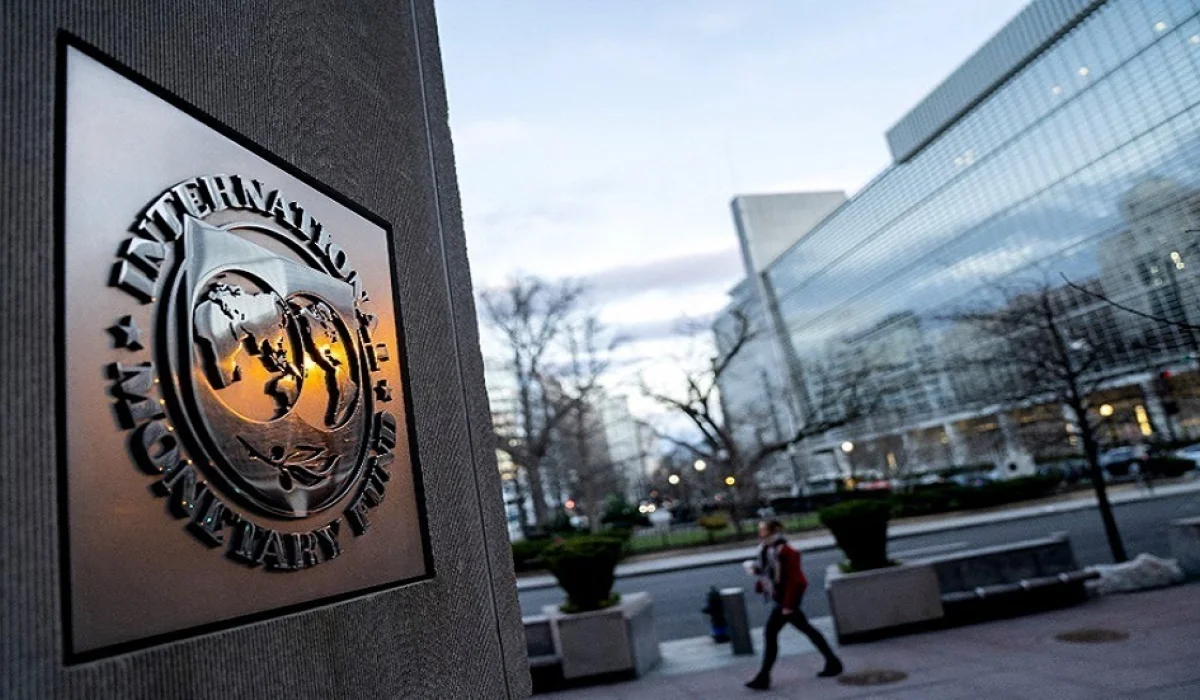
IMF urges urgent fiscal reforms in Libya amid rising economic pressures

The International Monetary Fund has cautioned that Libya’s current fiscal trajectory is unsustainable, highlighting mounting macroeconomic risks despite the country’s considerable resource wealth. The warning follows the Fund’s latest consultation with Libyan authorities, published in its 2026 Article IV mission statement.

According to the IMF’s assessment, Libya’s public finances are under increasing strain due to persistently high expenditure levels financed largely by hydrocarbon revenues. While elevated oil receipts have provided short term fiscal space, the Fund cautions that continued spending at current levels could deepen structural vulnerabilities, particularly in the event of a moderation in global oil prices. This concern reflects broader patterns observed across resource dependent African economies, where commodity cycles often shape fiscal stability.

The report indicates that Libya’s fiscal deficit reached approximately 30 percent of gross domestic product in 2025, while public debt has risen sharply to an estimated 146 percent of GDP. These trends point to an expanding imbalance between revenue and expenditure, raising concerns about long term debt sustainability and macroeconomic resilience.


ADVERTISEMENT

In parallel, the IMF draws attention to pressures within Libya’s external sector. Foreign exchange shortages remain a significant challenge, contributing to a persistent gap between the official exchange rate and the parallel market rate. Although this gap has narrowed compared to earlier peaks, it continues to exert pressure on public finances and contribute to inflationary dynamics. These conditions have tangible implications for households, particularly in relation to purchasing power and access to essential goods.

The Fund further notes that constraints in foreign currency availability risk undermining living standards, an issue that resonates across several African economies navigating similar external imbalances. In Libya’s case, these pressures are compounded by institutional fragmentation and governance complexities, which have historically affected fiscal coordination and policy implementation.

At the same time, the IMF underscores Libya’s significant economic potential. With substantial natural resources and a relatively small population, the country retains the capacity to achieve more inclusive and stable growth. Realising this potential, however, will depend on policy adjustments that balance immediate social needs with long term fiscal sustainability.

The Fund recommends a recalibration of fiscal policy, including more disciplined expenditure management and reforms aimed at strengthening public financial governance. Addressing exchange rate distortions and improving the transparency of revenue allocation are also identified as critical steps towards stabilising the economy.

Across the African continent, Libya’s situation illustrates the complex interplay between resource wealth and economic management. It highlights the importance of building resilient fiscal frameworks that can withstand external shocks while supporting social development. As policymakers consider the IMF’s recommendations, the challenge will lie in pursuing reforms that are both economically prudent and socially responsive within Libya’s evolving national context.

Tags: African economiesexchange ratefiscal policyIMFInflationLibya economymacroeconomic stabilityNorth Africaoil revenuepublic debt
Previous Post

4,496 South Africans Admitted as US Refugees in Six Months

Next Post

US directive on Hormuz shipping raises global concern as diplomatic efforts stall

SAT Reporter

Related Posts

Tunisians Protest Against President Saied Amid Crisis
Tunisia

Tunisians Protest Against President Saied Amid Crisis

by SAT Reporter
May 17, 2026
Morocco Adds $2bn to Budget to Offset War Shock
Morocco

Morocco Adds $2bn to Budget to Offset War Shock

by SAT Reporter
May 15, 2026
Sudan’s Conflict Economy and Regional Interests Under Scrutiny
North Africa

Sudan’s Conflict Economy and Regional Interests Under Scrutiny

by SAT Reporter
May 10, 2026
Libya shuts key refinery as clashes erupt near Tripoli
Libya

Libya shuts key refinery as clashes erupt near Tripoli

by SAT Reporter
May 9, 2026
Algeria to Raise Oil Output as OPEC+ Adjusts Supply
Algeria

Algeria to Raise Oil Output as OPEC+ Adjusts Supply

by SAT Reporter
May 4, 2026
Next Post
US directive on Hormuz shipping raises global concern as diplomatic efforts stall

US directive on Hormuz shipping raises global concern as diplomatic efforts stall

Browse by Category

  • Africa AI
  • African Continental Free Trade Area
  • African Debt
  • African Start ups
  • Agriculture
  • AI Africa
  • Algeria
  • All News
  • Analysis
  • Angola
  • Arts / Culture
  • Asia
  • Botswana
  • BOTSWANA
  • BREAKING NEWS
  • BRICS
  • Burkina Faso
  • Burundi
  • Business
  • Business
  • Business Wire
  • Cameroon
  • Central Africa
  • Chad
  • China
  • Climate Change
  • Climate Changev
  • Community
  • Congo Republic
  • Conservation
  • Côte d’Ivoire
  • COVID 19
  • CRYPTOCURRENCY
  • Culture
  • Democratic Republic of Congo
  • Diplomacy
  • Eastern Africa
  • Economic Development
  • Economy
  • Education
  • Egypt
  • Elections 2024
  • Energy
  • Entertainment
  • Environment
  • Eritrea
  • Ethiopia
  • Europe
  • Fashion
  • Feature
  • Finance
  • Financial Inclusion
  • Food
  • Food and Drink
  • Foods
  • GABON
  • Ghana
  • Global
  • Global Africa
  • Guinea
  • Health
  • Humanitarian Aid
  • Immigration
  • in Southern Africa
  • International news
  • International Relations
  • Investment
  • Ivory Coast
  • Just In
  • Kenya
  • Lesotho
  • Libya
  • Life Style
  • Lifestyle
  • Literature
  • Malawi
  • Malawi
  • Mali
  • Markets
  • Mauritius
  • Middle East
  • Mining in Africa
  • Morocco
  • Mozambique
  • Namibia
  • niger
  • Niger
  • Nigeria
  • North Africa
  • North-Eastern Africa
  • Obituaries
  • Obituary
  • Opinion
  • PARTNER CONTENT
  • Politics
  • Property
  • Racism
  • Rwanda
  • Rwanda
  • SADC
  • SAT Interviews
  • SAT Investigation
  • SAT Jobs
  • Saudi Arabia
  • Senegal
  • Seychelles
  • Somaliland
  • South Africa
  • South Sudan
  • Sports
  • Startup Africa
  • STOCK EXCHANGE
  • Sudan
  • Sustainability
  • Sustainablity
  • Tanzania
  • Technology
  • Telecommunications
  • The Editorial Board
  • The Power Of She
  • Togo
  • Trade
  • Travel
  • Travel
  • Tunisia
  • Uganda
  • Uncategorized
  • Wealth
  • West Africa
  • World
  • World
  • ZAMBIA
  • Zambia
  • ZIMBABWE
  • Zimbabwe

Browse by Tags

#NewsUpdate #SouthAfrica #SouthernAfricanTimes #TheSouthernAfricanTimes AfCFTA africa African Continental Free Trade Area African development African Development Bank African economies African economy African Union Agriculture Angola Botswana China Climate change Cyril Ramaphosa Economic Development economic growth energy transition Ghana governance industrialisation Inflation Infrastructure Infrastructure Development International relations Investment Kenya Mozambique Namibia news Nigeria Regional Integration renewable energy Rwanda SADC South Africa Southern Africa sustainable development Tanzania United States Zambia Zimbabwe
ADVERTISEMENT

WHO WE ARE

The Southern African Times is a regional bloc digital newspaper that covers Southern African and world news. The paper also gives a nuanced analysis on news and covers a wide range of reporting which include sports, entertainment, foreign affairs, arts and culture.

Welcome Back!

Login to your account below

Forgotten Password?

Retrieve your password

Please enter your username or email address to reset your password.

Log In
  • Home
  • Southern Africa
  • Business
    • African Start ups
    • African Continental Free Trade Area
  • Technology
    • Lifestyle
      • Health
      • Culture
      • Food and Drink
      • Entertainment
  • Opinion
  • Sports
  • SAT Jobs
    • Events
  • About Us
    • Advertise with Us
    • Contact Us
Not enough quota to unlock this post
Unlock left : 0
Are you sure want to cancel subscription?