

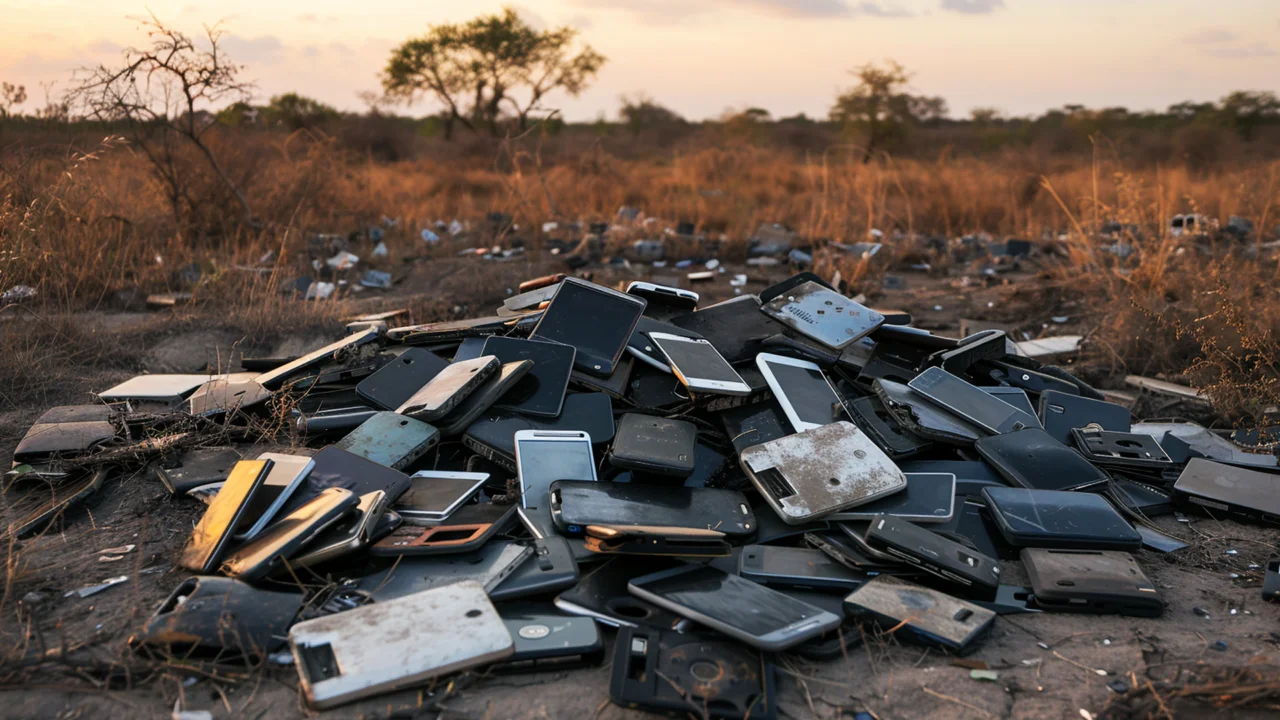
Across several African countries, the rapid accumulation of electronic waste has emerged as both an environmental concern and a socio economic reality, reflecting complex global supply chains and uneven regulatory enforcement. In urban centres such as Accra in Ghana and Nairobi in Kenya, informal recycling practices have developed alongside growing volumes of discarded electrical and electronic equipment, much of which originates beyond the continent.
At sites such as Agbogbloshie and Korogocho, workers dismantle obsolete electronics to recover valuable materials including copper and aluminium. These activities often take place under hazardous conditions, involving the open burning of cables and manual disassembly without protective equipment. While such practices provide livelihoods for thousands, they also expose workers and surrounding communities to potentially harmful substances released during processing.
Estimates from international agencies indicate that Africa generates tens of thousands of tonnes of electronic waste annually, with countries such as Kenya contributing significant volumes each year. However, a substantial proportion of electronic equipment entering African markets arrives as second hand goods, frequently nearing the end of their functional lifespan. This dynamic contributes to a shortened use phase and accelerates the transition of imported devices into waste streams.



This pattern has been described by some analysts and advocacy organisations as waste colonialism, a term used to characterise the transboundary movement of near end of life products from higher income regions to countries with comparatively limited waste management infrastructure. Although international frameworks such as the Basel Conventionand the Bamako Convention seek to regulate or prohibit the transfer of hazardous waste, implementation challenges persist. Misclassification of shipments as reusable goods and limited inspection capacity have been identified as factors enabling continued flows.
Electronic waste contains a complex mixture of materials, including metals, plastics and hazardous substances such as lead, mercury and cadmium. When improperly handled, these substances can be released into the environment. According to guidance from the World Health Organization, exposure to such pollutants has been associated with a range of health risks, particularly affecting neurological development, respiratory function and long term wellbeing. Children and pregnant women are considered especially vulnerable due to the sensitivity of developing biological systems.
Environmental impacts extend beyond immediate processing sites. Airborne emissions from burning activities can affect nearby settlements, while contaminants may enter soil and water systems, with potential implications for agriculture and food security. Over time, these pathways can contribute to broader ecological and public health concerns.

At the same time, the informal recycling sector plays a critical economic role. In many contexts, it represents one of the few accessible income generating opportunities, highlighting the need for approaches that balance environmental protection with social inclusion. Policy developments in countries such as Kenya, including extended producer responsibility regulations and national waste management legislation, reflect efforts to formalise the sector and improve oversight. However, stakeholders have noted that integration of informal workers into formal systems remains uneven.
Proposed responses to the growing challenge of electronic waste in Africa include the expansion of formal recycling infrastructure, improved enforcement of existing regulations, and greater accountability among manufacturers for the full lifecycle of their products. Initiatives promoting repair, refurbishment and longer product lifespans have also been identified as potential strategies to reduce waste generation.
As access to electronic devices continues to expand across the continent, the volume of discarded equipment is expected to increase. Addressing this issue will likely require coordinated action at local, regional and international levels, recognising both the global dimensions of electronic consumption and the specific socio economic contexts within African countries.


