Sunday, May 31, 2026
  • Login
The Southern African Times
  • Home
  • Southern Africa
  • Business
    • African Start ups
    • African Continental Free Trade Area
  • Technology
    • Lifestyle
      • Health
      • Culture
      • Food and Drink
      • Entertainment
  • Opinion
  • Sports
  • SAT Jobs
    • Events
  • About Us
    • Advertise with Us
    • Contact Us
No Result
View All Result
  • Home
  • Southern Africa
  • Business
    • African Start ups
    • African Continental Free Trade Area
  • Technology
    • Lifestyle
      • Health
      • Culture
      • Food and Drink
      • Entertainment
  • Opinion
  • Sports
  • SAT Jobs
    • Events
  • About Us
    • Advertise with Us
    • Contact Us
No Result
View All Result
The Southern African Times
No Result
View All Result
Home Middle East

Netanyahu approves talks with Lebanon as escalating strikes strain regional ceasefire

by SAT Reporter
April 10, 2026
in Middle East
0
Netanyahu approves talks with Lebanon as escalating strikes strain regional ceasefire

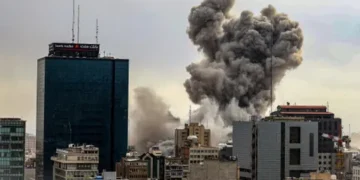
Israeli military operations in Lebanon have intensified regional tensions, with recent strikes resulting in significant civilian casualties and raising uncertainty over a broader ceasefire framework involving Iran and the United States. According to Lebanon’s Ministry of Public Health, more than 200 people were killed and over 1,000 injured in strikes carried out on Wednesday, marking one of the deadliest days in the country since the current phase of hostilities began. Subsequent updates from Lebanese authorities have suggested the toll may exceed 300 fatalities.

The Israeli military stated that the operations targeted Hezbollah positions, asserting that the group’s infrastructure is embedded within civilian areas. However, reports from multiple outlets including Al Jazeera and The Washington Post indicate that several strikes hit densely populated urban areas during peak hours, contributing to extensive civilian harm. These developments have prompted renewed scrutiny over proportionality and the protection of non combatants under international humanitarian law.

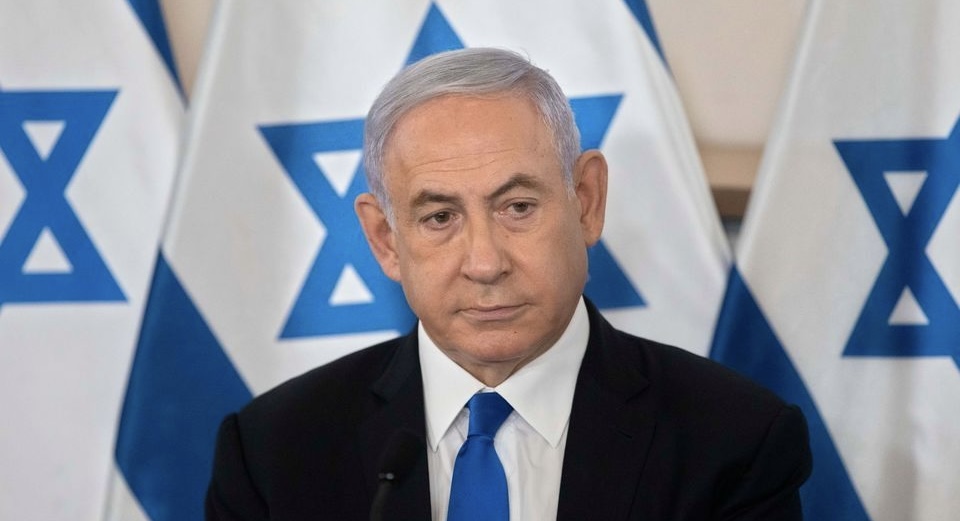
Israeli Prime Minister Benjamin Netanyahu has confirmed approval for direct negotiations with Lebanon, expected to take place in Washington in the coming week. While this signals a potential diplomatic opening, Netanyahu has simultaneously stated that Israeli operations against Hezbollah will continue, emphasising that no ceasefire currently applies to Lebanon. The Lebanese government has yet to formally respond to the proposal for talks.


ADVERTISEMENT

The escalation in Lebanon has unfolded against a wider and fragile regional backdrop. A tentative ceasefire arrangement involving Iran and the United States remains under strain, with both sides asserting strategic advantage while maintaining pressure through indirect channels. Iran has issued warnings of strong responses should attacks on Hezbollah persist, underscoring the interconnected nature of regional alliances.

Compounding these tensions is the reported closure of the Strait of Hormuz by Iran, a critical maritime corridor through which a substantial proportion of global oil shipments pass. While no direct attacks have been reported داخل Iran or against Gulf states in this phase, the strategic implications of restricted passage have reverberated across global markets, including energy dependent economies in Africa.

From a Southern African perspective, the developments highlight the vulnerability of interconnected global systems. Disruptions in energy supply chains have direct implications for fuel prices, food security, and inflation across the African continent. Countries already navigating structural economic challenges may face compounded pressures, reinforcing the importance of diversified energy strategies and strengthened regional cooperation.

At the same time, the human cost of the conflict remains central. The civilian toll in Lebanon reflects a broader pattern in contemporary conflicts where urban populations bear the brunt of military engagements. For African audiences, whose histories are similarly marked by externally entangled conflicts and humanitarian crises, such events resonate beyond geopolitics, foregrounding the need for accountability, multilateral diplomacy, and civilian protection.

As diplomatic efforts potentially shift towards Islamabad, where further negotiations involving global stakeholders are anticipated, the trajectory of the conflict remains uncertain. The coming days will likely determine whether emerging talks can stabilise the situation or whether continued military escalation will deepen an already complex regional crisis.

Tags: African perspectiveBenjamin Netanyahuglobal diplomacyHezbollahInternational relationsIran Israel tensionsIsrael-Lebanon conflictLebanon crisisMiddle East ceasefireStrait of Hormuz
Previous Post

LONG READ | Macky Sall’s UN bid tests AU procedure more than African unity

Next Post

Waste Colonialism and the Burden of Electronic Waste in Africa

SAT Reporter

Related Posts

Oil Tankers Resume Passage Through Hormuz Amid Fragile Truce
Middle East

Oil Tankers Resume Passage Through Hormuz Amid Fragile Truce

by SAT Reporter
April 18, 2026
US directive on Hormuz shipping raises global concern as diplomatic efforts stall
Middle East

US directive on Hormuz shipping raises global concern as diplomatic efforts stall

by SAT Reporter
April 12, 2026
Arab economies face up to $200 billion in losses from Iran conflict
Middle East

Arab economies face up to $200 billion in losses from Iran conflict

by SAT Reporter
April 4, 2026
Strike on Iran’s Mobarakeh Steel Raises Global Supply Concerns
Middle East

Strike on Iran’s Mobarakeh Steel Raises Global Supply Concerns

by SAT Reporter
March 29, 2026
Dubai Property Market Shows Early Signs of Cooling Amid Geopolitical Tensions
Middle East

Dubai Property Market Shows Early Signs of Cooling Amid Geopolitical Tensions

by SAT Reporter
March 21, 2026
Next Post
Waste Colonialism and the Burden of Electronic Waste in Africa

Waste Colonialism and the Burden of Electronic Waste in Africa

Browse by Category

  • Africa AI
  • African Continental Free Trade Area
  • African Debt
  • African Start ups
  • Agriculture
  • AI Africa
  • Algeria
  • All News
  • Analysis
  • Angola
  • Arts / Culture
  • Asia
  • Botswana
  • BOTSWANA
  • BREAKING NEWS
  • BRICS
  • Burkina Faso
  • Burundi
  • Business
  • Business
  • Business Wire
  • Cameroon
  • Central Africa
  • Chad
  • China
  • Climate Change
  • Climate Changev
  • Community
  • Congo Republic
  • Conservation
  • Côte d’Ivoire
  • COVID 19
  • CRYPTOCURRENCY
  • Culture
  • Democratic Republic of Congo
  • Diplomacy
  • Eastern Africa
  • Economic Development
  • Economy
  • Education
  • Egypt
  • Elections 2024
  • Energy
  • Entertainment
  • Environment
  • Eritrea
  • Ethiopia
  • Europe
  • Fashion
  • Feature
  • Finance
  • Financial Inclusion
  • Food
  • Food and Drink
  • Foods
  • GABON
  • Ghana
  • Global
  • Global Africa
  • Guinea
  • Health
  • Humanitarian Aid
  • Immigration
  • in Southern Africa
  • International news
  • International Relations
  • Investment
  • Ivory Coast
  • Just In
  • Kenya
  • Lesotho
  • Libya
  • Life Style
  • Lifestyle
  • Literature
  • Malawi
  • Malawi
  • Mali
  • Markets
  • Mauritius
  • Middle East
  • Mining in Africa
  • Morocco
  • Mozambique
  • Namibia
  • niger
  • Niger
  • Nigeria
  • North Africa
  • North-Eastern Africa
  • Obituaries
  • Obituary
  • Opinion
  • PARTNER CONTENT
  • Politics
  • Property
  • Racism
  • Rwanda
  • Rwanda
  • SADC
  • SAT Interviews
  • SAT Investigation
  • SAT Jobs
  • Saudi Arabia
  • Senegal
  • Seychelles
  • Somaliland
  • South Africa
  • South Sudan
  • Sports
  • Startup Africa
  • STOCK EXCHANGE
  • Sudan
  • Sustainability
  • Sustainablity
  • Tanzania
  • Technology
  • Telecommunications
  • The Editorial Board
  • The Power Of She
  • Togo
  • Trade
  • Travel
  • Travel
  • Tunisia
  • Uganda
  • Uncategorized
  • Wealth
  • West Africa
  • World
  • World
  • ZAMBIA
  • Zambia
  • ZIMBABWE
  • Zimbabwe

Browse by Tags

#NewsUpdate #SouthAfrica #SouthernAfricanTimes #TheSouthernAfricanTimes AfCFTA africa African Continental Free Trade Area African development African Development Bank African economies African economy African Union Agriculture Angola Botswana China Climate change Cyril Ramaphosa Economic Development economic growth energy transition Ghana governance industrialisation Inflation Infrastructure Infrastructure Development International relations Investment Kenya Mozambique Namibia news Nigeria Regional Integration renewable energy Rwanda SADC South Africa Southern Africa sustainable development Tanzania United States Zambia Zimbabwe
ADVERTISEMENT

WHO WE ARE

The Southern African Times is a regional bloc digital newspaper that covers Southern African and world news. The paper also gives a nuanced analysis on news and covers a wide range of reporting which include sports, entertainment, foreign affairs, arts and culture.

Welcome Back!

Login to your account below

Forgotten Password?

Retrieve your password

Please enter your username or email address to reset your password.

Log In
  • Home
  • Southern Africa
  • Business
    • African Start ups
    • African Continental Free Trade Area
  • Technology
    • Lifestyle
      • Health
      • Culture
      • Food and Drink
      • Entertainment
  • Opinion
  • Sports
  • SAT Jobs
    • Events
  • About Us
    • Advertise with Us
    • Contact Us
Not enough quota to unlock this post
Unlock left : 0
Are you sure want to cancel subscription?