The president of the Confederation of African Football, Patrice Motsepe, has undertaken a diplomatic visit to both Senegal and Morocco as tensions continue following the controversial reassignment of the 2025 Africa Cup of Nations title. The visit comes at a moment of heightened scrutiny for African football governance, with broader implications for institutional legitimacy and continental unity.
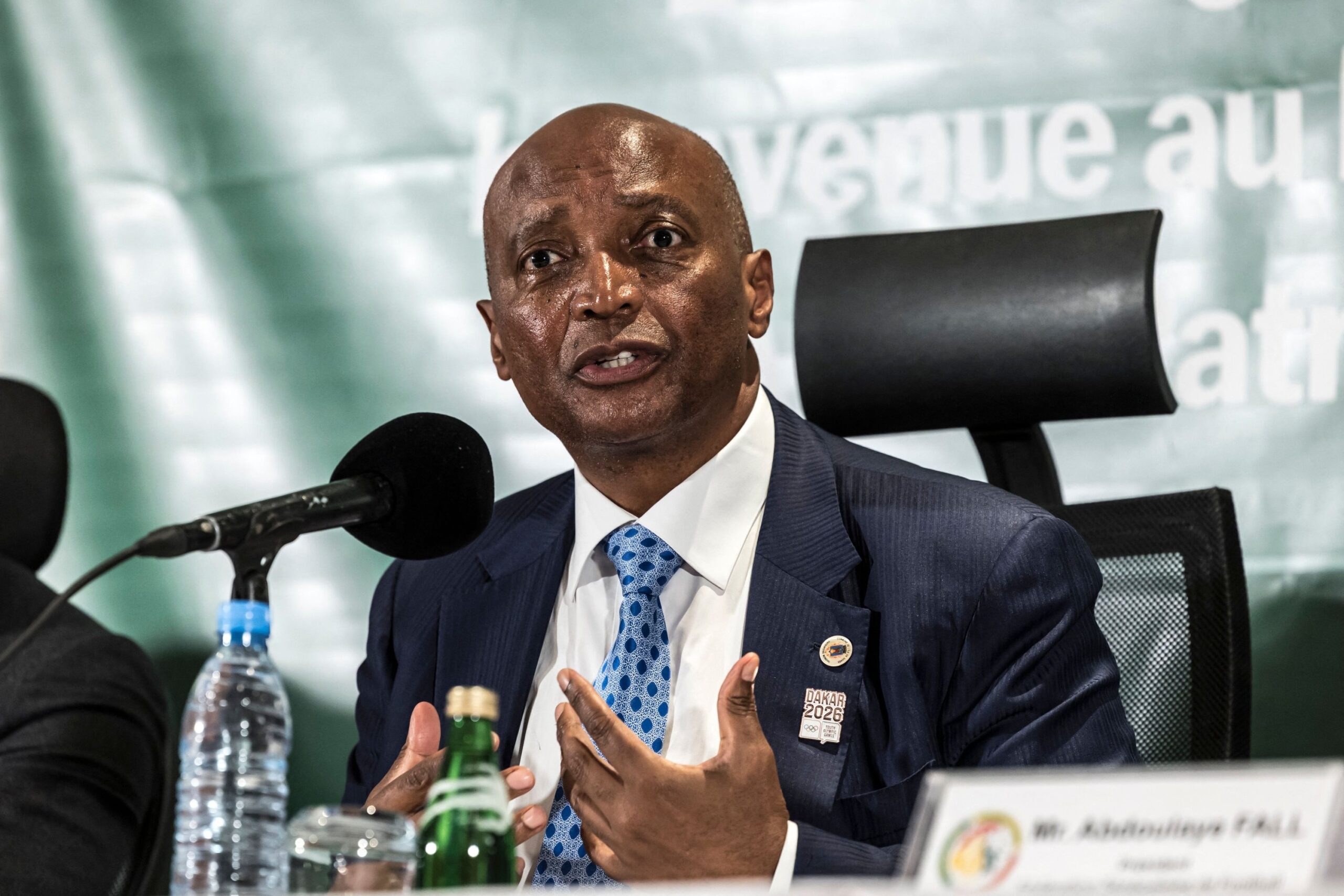
Motsepe arrived in Dakar in early April, where he is scheduled to meet Senegalese President Bassirou Diomaye Faye. The visit forms part of a broader effort by the Confederation of African Football to reaffirm dialogue and cooperation among member associations. According to statements issued by CAF, the engagements in both Senegal and Morocco are intended to emphasise collective responsibility in advancing African football, rather than deepening divisions.
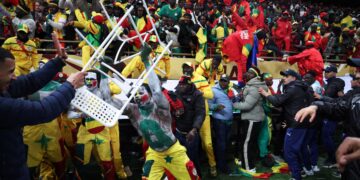
The dispute stems from the AFCON final played in Rabat on 18 January 2026, where Senegal initially secured a 1 to 0 victory over Morocco. However, the match was overshadowed by a late incident in which Senegalese players and coaching staff left the field in protest after a stoppage time penalty was awarded to Morocco. Although the penalty was ultimately missed, the interruption led to regulatory scrutiny.




On 17 March 2026, CAF’s appeals body ruled that Senegal had forfeited the match under competition regulations governing team conduct. The decision resulted in a 3 to 0 technical victory being awarded to Morocco, effectively transferring the tournament title. Details of the appeal process have been formally registered by the Court of Arbitration for Sport, where Senegal has challenged the ruling.
The Senegalese Football Federation has described the decision as disproportionate and has escalated the matter to CAS, seeking annulment of the forfeiture. Senegal’s government has also called for greater transparency within CAF, including an international inquiry into governance practices. These developments have contributed to a wider continental debate about accountability, regulatory consistency, and the evolving institutional frameworks that underpin African sport.
Motsepe has publicly stated that CAF will abide by the outcome of the CAS proceedings, underscoring the independence of the arbitration process. His remarks signal an attempt to maintain procedural neutrality while navigating political and sporting sensitivities across multiple national contexts.
The controversy has resonated beyond the immediate parties, prompting reflection across African football communities regarding dispute resolution mechanisms and the balance between regulatory enforcement and sporting fairness. Analysts note that such moments, while contentious, also present opportunities to strengthen governance systems that reflect African realities and priorities.
As Motsepe continues his visit to Morocco following his engagements in Senegal, the focus remains on dialogue and institutional credibility. The forthcoming ruling by the Court of Arbitration for Sport is expected to play a decisive role in shaping both the outcome of the dispute and broader perceptions of fairness within African football.