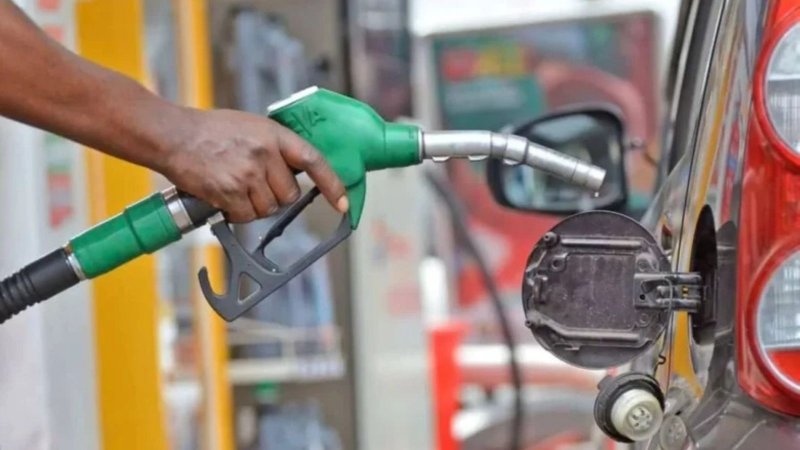
Rising fuel costs are placing increasing pressure on households and small enterprises in Tanzania, reflecting broader global disruptions linked to geopolitical tensions in the Middle East. Recent adjustments by the Energy and Water Utilities Regulatory Authority confirm that petrol prices in Dar es Salaam rose to approximately 3,820 Tanzanian shillings per litre in April 2026, up from 2,864 shillings the previous month, with diesel and kerosene experiencing comparable increases. These shifts align with wider movements in global oil markets, where supply uncertainties have intensified price volatility.
For urban transport workers, the effects are immediate and tangible. In Dar es Salaam, operators of commuter minibuses, commonly known as dala dala, report a sharp escalation in daily fuel expenditure. Earnings that were previously sufficient to cover operating costs and provide modest income have narrowed considerably, with fuel now absorbing a disproportionate share of daily revenue. This recalibration of margins underscores the vulnerability of informal and semi formal transport systems to global energy shocks.
The implications extend beyond transport. In urban markets such as Kariakoo and Mawasiliano, traders and food vendors describe a cascading effect across supply chains. Increased fuel costs have raised the price of transporting goods into cities, contributing to incremental rises in food prices and retail commodities. Small scale entrepreneurs, who operate within tight margins, are adjusting prices cautiously while balancing concerns about declining customer purchasing power.



These developments are not occurring in isolation. Across several African economies that rely on imported refined petroleum products, fluctuations in global oil prices continue to transmit directly into domestic inflationary pressures. According to regional economic observers and data from platforms such as Trading Economics, crude oil benchmarks have shown upward movement in recent weeks, reflecting supply chain disruptions and heightened geopolitical risk.
In Tanzania, there are also emerging macroeconomic considerations. Increased demand for foreign currency to finance fuel imports may place pressure on the Tanzanian shilling, with potential knock on effects for the cost of other imports. Economists caution that sustained increases in energy prices could broaden inflationary trends, particularly in transport and food sectors, which carry significant weight in household expenditure.

Experiences in Tanzania resonate with developments elsewhere on the continent. In Southern Africa, recent fuel price adjustments in countries such as South Africa similarly reflect the transmission of global oil price dynamics into domestic markets. This interconnectedness highlights the structural exposure of many African economies to external energy shocks, while also underscoring ongoing discussions around energy diversification, regional refining capacity, and intra African trade.
Despite these pressures, the response across communities illustrates adaptive strategies shaped by local realities. Transport operators adjust routes and schedules, traders recalibrate supply chains, and households renegotiate daily consumption patterns. These responses, while pragmatic, also point to the limits of resilience when external shocks persist over extended periods.
The current moment situates Tanzania within a broader continental and global context in which energy, geopolitics, and everyday livelihoods are closely intertwined. As policymakers, businesses, and communities navigate this terrain, the emphasis remains on balancing immediate coping mechanisms with longer term considerations around energy security and economic stability.