Friday, May 1, 2026
  • Login
The Southern African Times
  • Home
  • Southern Africa
  • Business
    • African Start ups
    • African Continental Free Trade Area
  • Technology
    • Lifestyle
      • Health
      • Culture
      • Food and Drink
      • Entertainment
  • Opinion
  • Sports
  • SAT Jobs
    • Events
  • About Us
    • Advertise with Us
    • Contact Us
No Result
View All Result
  • Home
  • Southern Africa
  • Business
    • African Start ups
    • African Continental Free Trade Area
  • Technology
    • Lifestyle
      • Health
      • Culture
      • Food and Drink
      • Entertainment
  • Opinion
  • Sports
  • SAT Jobs
    • Events
  • About Us
    • Advertise with Us
    • Contact Us
No Result
View All Result
The Southern African Times
No Result
View All Result
Home Climate Change

Climate Change Drives Rising Health Risks in Southern Africa

by SAT Reporter
April 5, 2026
in Climate Change
0
Climate Change Drives Rising Health Risks in Southern Africa

Climate change is often presented through the lens of environmental degradation, yet its implications extend deeply into public health, shaping patterns of disease, access to resources, and long term wellbeing. Across Southern Africa, these impacts are becoming increasingly visible, reflecting both regional climatic shifts and longstanding structural inequalities that influence exposure and resilience.

Evidence from global health authorities such as the World Health Organization indicates that climate change affects fundamental determinants of health, including access to clean air, safe water, adequate nutrition, and secure shelter. In Southern Africa, where many communities already face constraints in infrastructure and service delivery, disruptions to these systems have direct and indirect consequences for health outcomes.

Temperature increases across the region are occurring at a rate above the global average, according to assessments referenced by the Intergovernmental Panel on Climate Change. These shifts are associated with more frequent and intense heat events, which can elevate risks of heat exhaustion, cardiovascular strain, and renal complications, particularly among populations engaged in outdoor labour or living in densely populated urban settlements.


ADVERTISEMENT

At the same time, changing rainfall patterns and increased climate variability are influencing the distribution of infectious diseases. Research published in environmental health journals suggests that warmer temperatures and altered precipitation may expand the geographical range of malaria and other vector borne diseases. In Southern Africa, where malaria remains a public health concern in several countries, such changes may complicate ongoing control efforts and require adaptive surveillance systems.

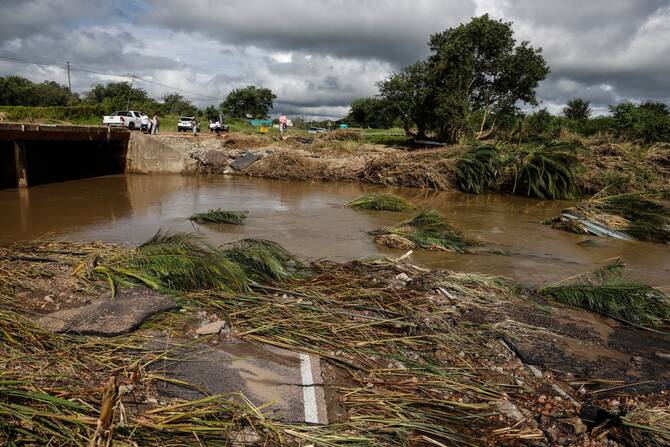
Water security represents another critical dimension. Periods of drought and flooding continue to affect both rural and urban communities, disrupting access to safe drinking water and sanitation. These conditions are associated with increased incidence of waterborne diseases, particularly among children. Data from organisations such as UNICEF highlight the links between climate variability, water access, and child health outcomes across the region.

Food systems are also under pressure. Agricultural production in parts of Southern Africa remains sensitive to climatic fluctuations, with drought conditions affecting crop yields and livestock. The Food and Agriculture Organization has noted that such disruptions contribute to food insecurity and malnutrition, which in turn heighten vulnerability to disease and impair long term development outcomes.

Beyond physical health, there is growing recognition of the psychological and social dimensions of climate related impacts. Recurrent exposure to extreme weather events, displacement, and livelihood disruption can contribute to increased levels of stress, anxiety, and depression. While data on mental health in the context of climate change in Southern Africa remain limited, emerging studies suggest that these effects are significant and often underreported.

The regional nature of these challenges is also evident. Climate related events frequently have cross border implications, whether through population movement, shared water resources, or interconnected food markets. Institutions such as the Southern African Development Community have emphasised the importance of coordinated responses to address these transboundary risks.

Within this context, questions of equity and responsibility continue to shape international discussions. African countries, including those in the Southern African region, contribute a relatively small share of global emissions, yet face some of the most pronounced impacts. This imbalance has informed ongoing debates around climate finance, adaptation support, and the need for inclusive approaches that reflect regional priorities and knowledge systems.

Responses at national and regional levels increasingly focus on strengthening resilience. These include investments in climate informed health systems, early warning mechanisms for extreme weather, and efforts to improve water and sanitation infrastructure. There is also growing emphasis on integrating health considerations into broader climate policy frameworks, recognising that mitigation and adaptation strategies have direct implications for human wellbeing.

Across the continent, there is a parallel effort to centre African perspectives in shaping responses to climate change. This includes recognising local knowledge, supporting community led adaptation strategies, and situating health within broader discussions of development, equity, and sustainability. Such approaches reflect a more nuanced understanding of climate change as a multidimensional challenge that intersects with historical, economic, and social factors.

The relationship between climate change and human health in Southern Africa continues to evolve, informed by ongoing research and lived experience. While uncertainties remain in projecting the full extent of future impacts, the available evidence indicates that health considerations will play an increasingly central role in climate discourse. Addressing these challenges will likely require sustained collaboration across sectors and borders, as well as approaches that are responsive to the diverse contexts within the region.

Tags: africaClimate changeclimate justiceenvironmental healthfood securityhealth systemsMalariaPublic HealthSouthern Africawater security
Previous Post

South Africa and Angola Advance Regional Integration Through Tourism

Next Post

Malawi fuel prices remain highest in SADC as regional disparities widen

SAT Reporter

Related Posts

Green Climate Fund Approves 440 Million Dollars for African Climate Projects
Climate Change

Green Climate Fund Approves 440 Million Dollars for African Climate Projects

by SAT Reporter
March 31, 2026
South Africa’s Energy Transition Bottleneck Lies in Its Municipalities, IISD Report Finds
Climate Change

South Africa’s Energy Transition Bottleneck Lies in Its Municipalities, IISD Report Finds

by SAT Reporter
March 26, 2026
$1 Billion Boost for African Carbon Projects and Woodland Restoration
Climate Change

$1 Billion Boost for African Carbon Projects and Woodland Restoration

by SAT Reporter
January 30, 2026
UK-Backed Climate Accelerator Opens Doors for South African Green Innovators
African Start ups

UK-Backed Climate Accelerator Opens Doors for South African Green Innovators

by SAT Reporter
January 27, 2026
€50 Million Guarantee to Unlock Renewable Power Investment Across Southern Africa
Climate Change

€50 Million Guarantee to Unlock Renewable Power Investment Across Southern Africa

by SAT Reporter
December 24, 2025
Next Post
Malawi fuel prices remain highest in SADC as regional disparities widen

Malawi fuel prices remain highest in SADC as regional disparities widen

Browse by Category

  • Africa AI
  • African Continental Free Trade Area
  • African Debt
  • African Start ups
  • Agriculture
  • AI Africa
  • Algeria
  • All News
  • Analysis
  • Angola
  • Arts / Culture
  • Asia
  • Botswana
  • BOTSWANA
  • BREAKING NEWS
  • BRICS
  • Burkina Faso
  • Burundi
  • Business
  • Business
  • Business Wire
  • Cameroon
  • Central Africa
  • Chad
  • China
  • Climate Change
  • Climate Changev
  • Community
  • Congo Republic
  • Conservation
  • Côte d’Ivoire
  • COVID 19
  • CRYPTOCURRENCY
  • Culture
  • Democratic Republic of Congo
  • Diplomacy
  • Eastern Africa
  • Economic Development
  • Economy
  • Education
  • Egypt
  • Elections 2024
  • Energy
  • Entertainment
  • Environment
  • Eritrea
  • Ethiopia
  • Europe
  • Fashion
  • Feature
  • Finance
  • Financial Inclusion
  • Food
  • Food and Drink
  • Foods
  • GABON
  • Ghana
  • Global
  • Global Africa
  • Guinea
  • Health
  • Immigration
  • in Southern Africa
  • International news
  • International Relations
  • Investment
  • Ivory Coast
  • Just In
  • Kenya
  • Lesotho
  • Libya
  • Life Style
  • Lifestyle
  • Literature
  • Malawi
  • Malawi
  • Mali
  • Markets
  • Mauritius
  • Middle East
  • Mining in Africa
  • Morocco
  • Mozambique
  • Namibia
  • Niger
  • niger
  • Nigeria
  • North Africa
  • North-Eastern Africa
  • Obituaries
  • Obituary
  • Opinion
  • PARTNER CONTENT
  • Politics
  • Property
  • Racism
  • Rwanda
  • Rwanda
  • SADC
  • SAT Interviews
  • SAT Investigation
  • SAT Jobs
  • Saudi Arabia
  • Senegal
  • Seychelles
  • Somaliland
  • South Africa
  • South Sudan
  • Sports
  • Startup Africa
  • STOCK EXCHANGE
  • Sudan
  • Sustainability
  • Sustainablity
  • Tanzania
  • Technology
  • Telecommunications
  • The Editorial Board
  • The Power Of She
  • Togo
  • Trade
  • Travel
  • Travel
  • Tunisia
  • Uganda
  • Uncategorized
  • Wealth
  • West Africa
  • World
  • World
  • ZAMBIA
  • Zambia
  • Zimbabwe
  • ZIMBABWE

Browse by Tags

#NewsUpdate #SouthAfrica #SouthernAfricanTimes #TheSouthernAfricanTimes AfCFTA africa African Continental Free Trade Area African development African Development Bank African economies African economy African Union Agriculture Angola Botswana Business China Climate change Cyril Ramaphosa Economic Development economic growth energy transition fiscal policy industrialisation Inflation Infrastructure Infrastructure Development International relations Investment Kenya Mozambique Namibia news Nigeria Regional Integration renewable energy Rwanda SADC South Africa Southern Africa sustainable development Tanzania United States Zambia Zimbabwe
ADVERTISEMENT

WHO WE ARE

The Southern African Times is a regional bloc digital newspaper that covers Southern African and world news. The paper also gives a nuanced analysis on news and covers a wide range of reporting which include sports, entertainment, foreign affairs, arts and culture.

Welcome Back!

Login to your account below

Forgotten Password?

Retrieve your password

Please enter your username or email address to reset your password.

Log In

  • Home
  • Southern Africa
  • Business
    • African Start ups
    • African Continental Free Trade Area
  • Technology
    • Lifestyle
      • Health
      • Culture
      • Food and Drink
      • Entertainment
  • Opinion
  • Sports
  • SAT Jobs
    • Events
  • About Us
    • Advertise with Us
    • Contact Us
Are you sure want to unlock this post?
Unlock left : 0
Are you sure want to cancel subscription?