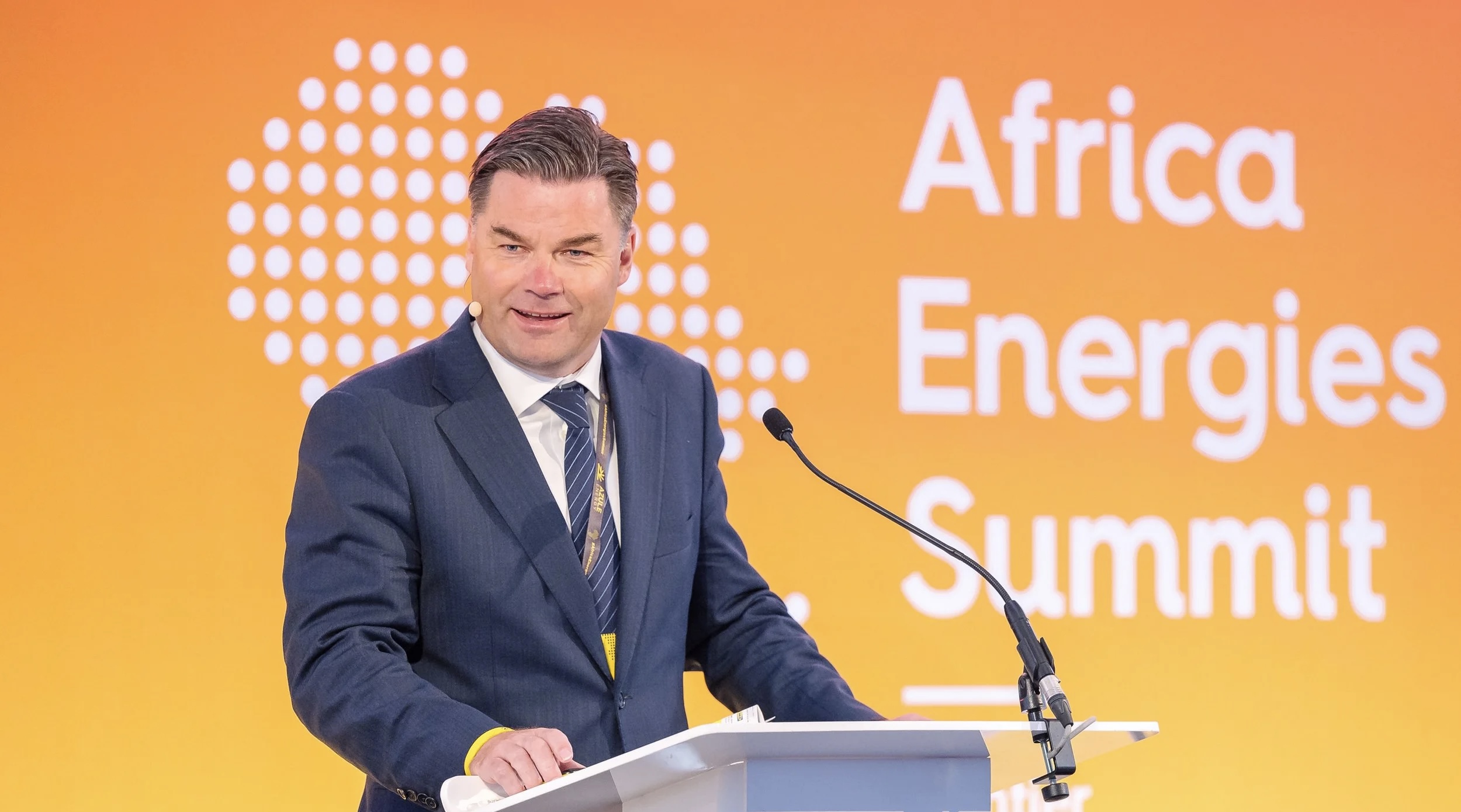
African petroleum ministers from several oil producing states have declined invitations to attend the forthcoming Africa Energies Summit scheduled for May in London, signalling a growing divergence between segments of the continent’s energy leadership and internationally convened industry platforms. The decision has been framed by stakeholders as a response to concerns around representation, agenda setting, and the perceived marginalisation of African priorities within global energy dialogues.
At the centre of the disagreement is the question of local content, a policy approach widely adopted across African hydrocarbon economies to ensure that oil and gas development contributes to domestic employment, industrialisation, and skills transfer. Over the past two decades, countries such as Nigeria and Angola have embedded local content frameworks into legislation and regulatory practice. Nigeria’s Oil and Gas Industry Content Development Act, for instance, has been associated with increased participation of local firms and measurable cost efficiencies in major projects, while Angola’s reforms have similarly prioritised domestic workforce integration.
Recent large scale projects illustrate how these policies are being operationalised. The Greater Tortue Ahmeyim LNG development on the maritime border of Senegal and Mauritania incorporates provisions for domestic gas allocation alongside structured training programmes and supplier engagement platforms. First exports from the project commenced in 2025, with expansion continuing into 2026. In Equatorial Guinea, the Gas Mega Hub initiative builds on the long running EG LNG plant, which has supported employment and downstream industrial activity since 2007. Comparable approaches are emerging in newer producers such as Mozambique and Namibia, where governments have introduced local participation requirements alongside licensing regimes.



Within this context, the absence of ministers from the London summit has been interpreted by some industry bodies, including the African Energy Chamber, as an assertion that African energy governance should be shaped primarily by continental priorities. Public statements from sector representatives suggest dissatisfaction with what is described as insufficient inclusion of African perspectives in certain international forums. Organisers of the summit have not, at the time of writing, issued a detailed public response addressing these specific concerns.
The episode reflects broader tensions within global energy governance as African producers navigate competing pressures. On one hand, there is increasing international scrutiny related to climate commitments and energy transition pathways. On the other, many African governments continue to emphasise hydrocarbons as a means of addressing energy poverty, fiscal constraints, and development goals. According to the International Energy Agency, hundreds of millions of people across the continent still lack access to reliable electricity, reinforcing the argument made by policymakers that resource development remains integral to economic planning.

Analysts note that the debate is not uniform across the continent. While some stakeholders advocate for accelerated diversification into renewable energy, others emphasise a balanced approach in which oil and gas revenues underpin broader transitions. Local content policies have increasingly become a focal point within this discussion, serving as a mechanism through which governments seek to retain greater value from extractive industries.
The boycott of the London summit therefore appears less as an isolated event and more as part of an evolving conversation about agency, equity, and the structure of international engagement. It highlights the extent to which African energy actors are seeking to recalibrate their position within global forums, not by disengaging entirely, but by asserting conditions for participation that align with domestic and regional priorities.