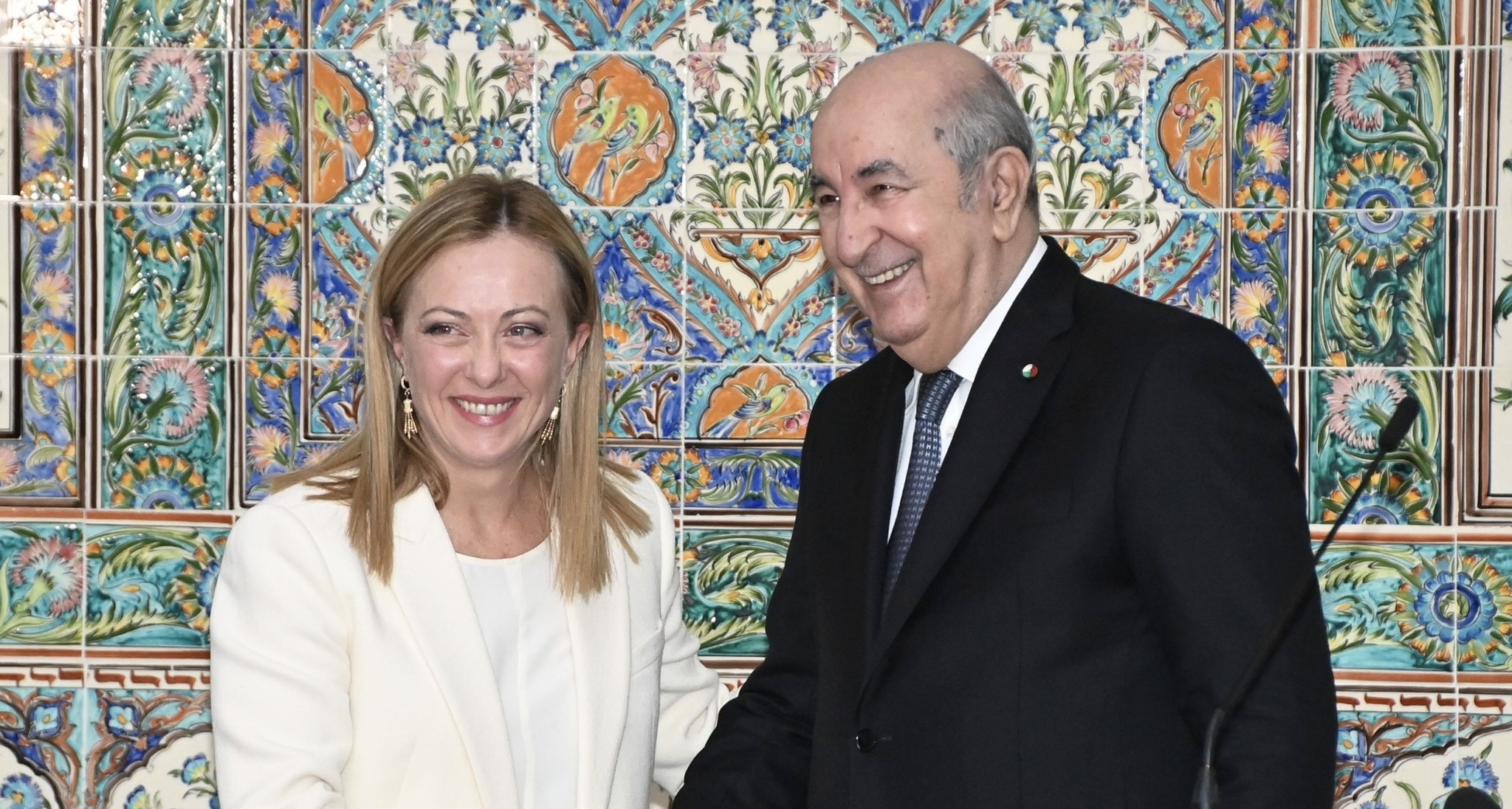
Italy is seeking to deepen its energy partnership with Algeria as it navigates ongoing disruptions to global gas supply chains, reflecting a broader reconfiguration of energy relationships that increasingly centres African producers as strategic actors in global markets. Recent statements by Italian Prime Minister Giorgia Meloni during a visit to Algiers indicate that Rome is exploring expanded cooperation with Algeria across both conventional and emerging energy sectors.
Meloni’s discussions with Algerian President Abdelmadjid Tebboune focused on strengthening collaboration between Italy’s Eni and Algeria’s state owned Sonatrach, two companies that have long underpinned trans Mediterranean energy flows. The talks reportedly included potential joint work in shale gas development and offshore exploration, signalling an attempt to secure longer term supply resilience rather than relying solely on short term imports.
The engagement comes at a time when Italy is experiencing sustained disruptions in liquefied natural gas supplies from Qatar, which has historically accounted for approximately ten percent of Italy’s annual gas consumption. In response, Rome has intensified outreach to alternative suppliers, with Algeria emerging as a critical partner due to both geographic proximity and existing pipeline infrastructure linking North Africa to Southern Europe.



Algeria already occupies a central position in Italy’s energy mix. In 2025, the North African country supplied roughly 20 billion cubic metres of natural gas to Italy, representing close to thirty percent of total demand. Around half of these volumes are tied to long term agreements between Sonatrach and Eni, underscoring the institutional depth of the bilateral relationship. Algeria is also recognised as one of Africa’s leading gas producers and a significant global exporter of liquefied natural gas, reinforcing its strategic relevance at a time of heightened demand volatility.
While no specific timeline or volume increase has been formally confirmed, Tebboune reiterated Algeria’s intention to honour existing commitments while engaging constructively with Italy to address evolving supply challenges. This position reflects a broader pattern in which African energy producers are asserting reliability and continuity even as global markets face geopolitical and logistical disruptions.

From a pan African perspective, the evolving Italy Algeria partnership highlights the continent’s expanding agency within global energy systems. Rather than serving solely as a reserve of extractive resources, countries such as Algeria are increasingly negotiating from positions of leverage, shaping terms of engagement and exploring new technological and industrial pathways. The inclusion of shale and offshore collaboration suggests a move towards knowledge exchange and capacity development, although such initiatives will require careful governance to ensure environmental sustainability and equitable benefit distribution.
For Southern Africa and the wider continent, these developments offer both opportunity and reflection. As global demand for diversified energy sources intensifies, African states may find greater space to coordinate strategies, strengthen intra continental energy linkages, and negotiate partnerships that align with long term development priorities. At the same time, the dynamics underscore the importance of balancing export driven growth with domestic energy security and climate commitments.
Italy’s outreach to Algeria therefore sits within a wider recalibration of global energy relations, one in which African producers are not peripheral actors but central participants shaping supply, stability, and the future trajectory of energy cooperation.