Wednesday, April 29, 2026
  • Login
The Southern African Times
  • Home
  • Southern Africa
  • Business
    • African Start ups
    • African Continental Free Trade Area
  • Technology
    • Lifestyle
      • Health
      • Culture
      • Food and Drink
      • Entertainment
  • Opinion
  • Sports
  • SAT Jobs
    • Events
  • About Us
    • Advertise with Us
    • Contact Us
No Result
View All Result
  • Home
  • Southern Africa
  • Business
    • African Start ups
    • African Continental Free Trade Area
  • Technology
    • Lifestyle
      • Health
      • Culture
      • Food and Drink
      • Entertainment
  • Opinion
  • Sports
  • SAT Jobs
    • Events
  • About Us
    • Advertise with Us
    • Contact Us
No Result
View All Result
The Southern African Times
No Result
View All Result
Home Eastern Africa

Rwanda positions textile and garment sector as catalyst for industrial growth

by SAT Reporter
March 19, 2026
in Eastern Africa, Rwanda
0
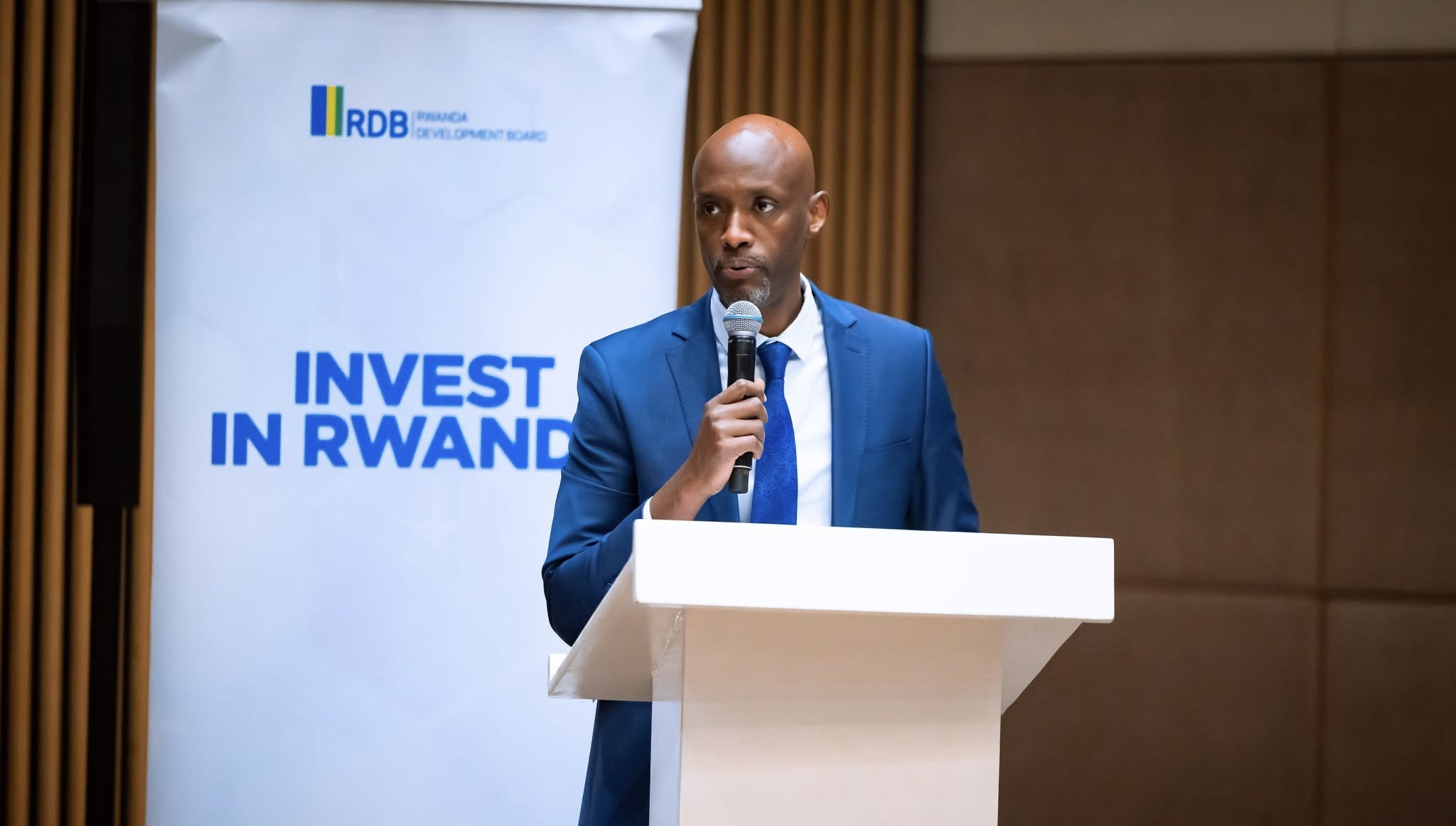
Rwanda positions textile and garment sector as catalyst for industrial growth

Rwanda is intensifying efforts to position its textile and garment industry as a central driver of industrial growth, employment creation and export development, as policymakers and industry stakeholders seek to consolidate gains in manufacturing and deepen regional integration.

Speaking at the Textile and Garment CEO Forum in Kigali, the chief executive of the Rwanda Development Board, Jean Guy Afrika, described the sector as integral to the country’s broader industrialisation agenda. He emphasised that textiles and garments offer scalable employment opportunities, particularly for women and young people, while also contributing to export diversification in an economy historically reliant on primary commodities.
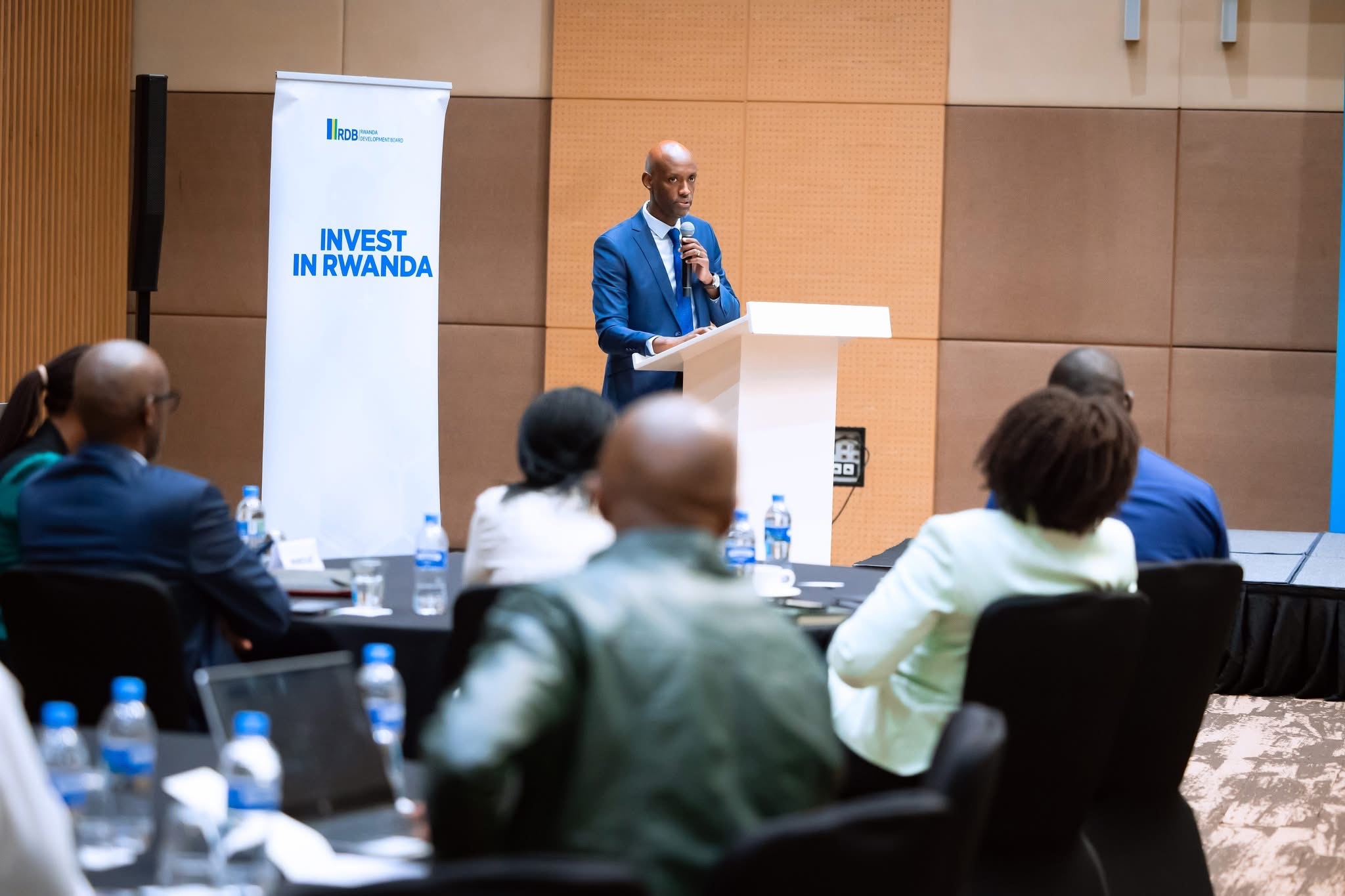
Textile and Garment CEO Forum in Kigali, the chief executive of the Rwanda Development Board, Jean Guy Afrika

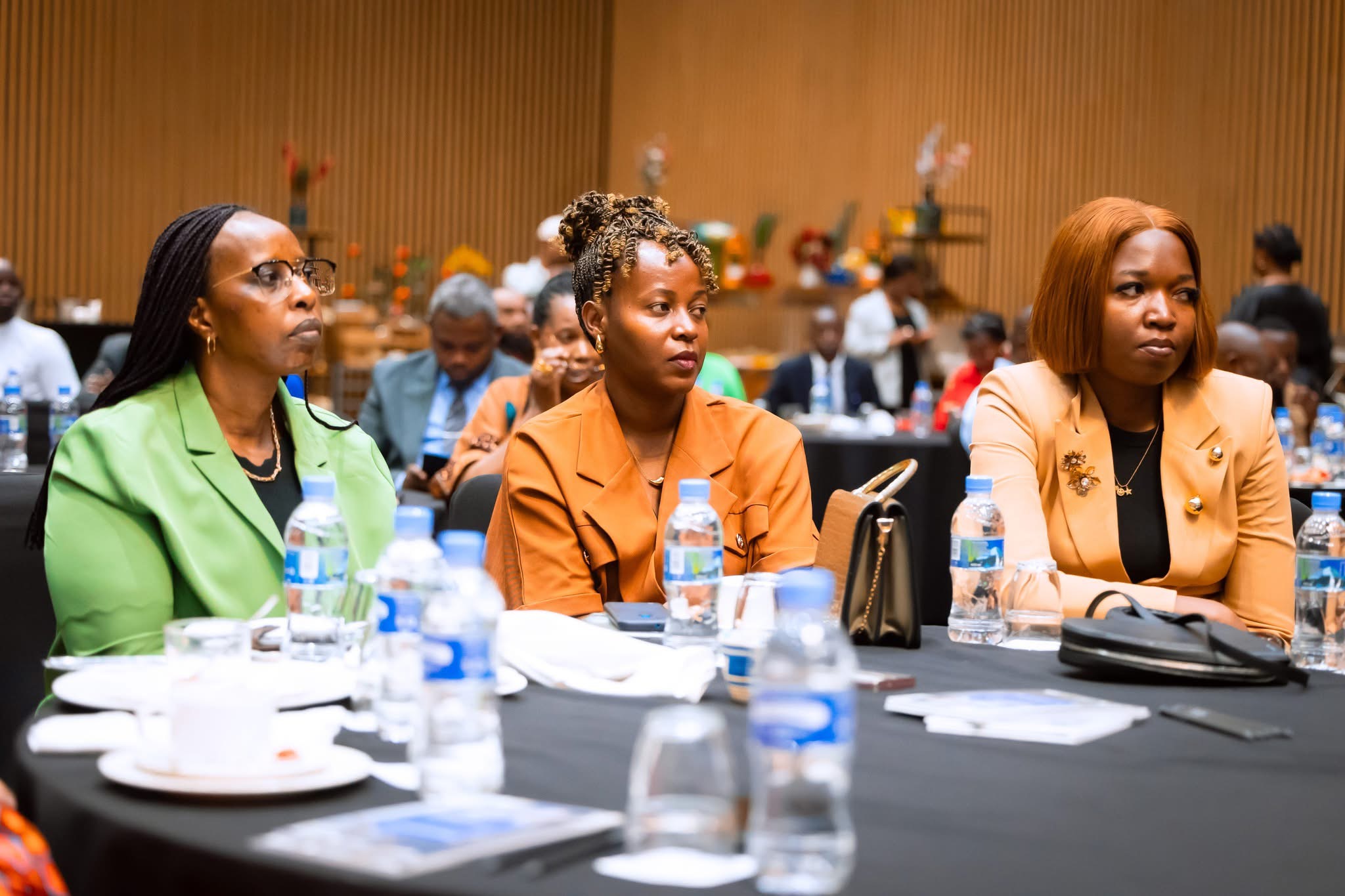
The forum brought together public and private sector actors to examine constraints and opportunities across the value chain, including investment mobilisation, skills development and production capacity. Discussions reflected a growing recognition that industrial policy in Rwanda is increasingly focused on sectors capable of generating both domestic value addition and external competitiveness.


ADVERTISEMENT

Government officials reiterated that the textile and apparel industry has historically served as a gateway to industrial development in several economies, particularly in parts of Asia, and that Rwanda is seeking to adapt this pathway within its own context. According to the Ministry of Trade and Industry, the sector’s potential lies not only in job creation but also in fostering innovation and supporting the gradual transformation of the manufacturing base.

This policy direction is consistent with earlier initiatives such as the “Made in Rwanda” programme, which aims to strengthen domestic industries and reduce import dependency. Analysis of Rwanda’s industrial strategy indicates that garments have been prioritised due to their relatively low barriers to entry and their capacity to integrate into regional markets, including those supported by the African Continental Free Trade Area.
However, the expansion of the sector continues to unfold within a complex operating environment. Studies of Rwanda’s manufacturing landscape point to persistent challenges, including access to affordable finance, reliance on imported inputs and the need for sustained skills development. While foreign investment, including partnerships with international manufacturers, has contributed to capacity building, questions remain regarding the long term sustainability and competitiveness of local production.

Within a broader African context, Rwanda’s approach reflects a wider continental effort to reposition light manufacturing as a vehicle for structural transformation. Countries across East and Southern Africa have explored similar strategies, recognising the textile and garment sector’s potential to generate employment at scale while linking domestic economies to global supply chains.

Yet the trajectory is not uniform. Comparative analyses across the region highlight differing outcomes depending on policy coherence, infrastructure development and market access. Rwanda’s experience therefore contributes to an evolving African narrative on industrialisation, one that balances ambition with structural realities and foregrounds locally grounded pathways to economic transformation.

As engagement between government and industry continues, stakeholders at the Kigali forum underscored the importance of sustained dialogue and adaptive policy frameworks. The extent to which Rwanda’s textile and garment sector can fulfil its projected role will likely depend on the country’s ability to align investment, skills development and market integration within a rapidly changing regional and global trade environment.

Tags: AfCFTAAfrica tradeEconomic DevelopmentgarmentsindustrialisationJob CreationMade in RwandamanufacturingRwandatextiles
Previous Post

Senegal Challenges CAF Decision to Reassign AFCON 2025 Title to Morocco

Next Post

Ethiopian Airlines Resumes Addis Ababa Atlanta Route

SAT Reporter

Related Posts

Russia and Rwanda Deepen Cooperation on Nuclear Energy and Trade
Diplomacy

Russia and Rwanda Deepen Cooperation on Nuclear Energy and Trade

by SAT Reporter
April 21, 2026
African Union denounces Israel’s Somaliland envoy move
Eastern Africa

African Union denounces Israel’s Somaliland envoy move

by SAT Reporter
April 21, 2026
Kenya Seeks World Bank Support as Oil Shock Strains Economy
Kenya

Kenya Seeks World Bank Support as Oil Shock Strains Economy

by SAT Reporter
April 18, 2026
Ethiopia Advances Nationwide Electric Vehicle Charging Network
Eastern Africa

Ethiopia Advances Nationwide Electric Vehicle Charging Network

by SAT Reporter
April 9, 2026
Rwanda Marks 32 Years Since Genocide as Kagame Warns on Denial
Rwanda

Rwanda Marks 32 Years Since Genocide as Kagame Warns on Denial

by SAT Reporter
April 8, 2026
Next Post
Ethiopian Airlines Resumes Addis Ababa Atlanta Route

Ethiopian Airlines Resumes Addis Ababa Atlanta Route

Browse by Category

  • Africa AI
  • African Continental Free Trade Area
  • African Debt
  • African Start ups
  • Agriculture
  • AI Africa
  • Algeria
  • All News
  • Analysis
  • Angola
  • Arts / Culture
  • Asia
  • Botswana
  • BOTSWANA
  • BREAKING NEWS
  • BRICS
  • Burkina Faso
  • Burundi
  • Business
  • Business
  • Business Wire
  • Cameroon
  • Central Africa
  • Chad
  • China
  • Climate Change
  • Climate Changev
  • Community
  • Congo Republic
  • Conservation
  • Côte d’Ivoire
  • COVID 19
  • CRYPTOCURRENCY
  • Culture
  • Democratic Republic of Congo
  • Diplomacy
  • Eastern Africa
  • Economic Development
  • Economy
  • Education
  • Egypt
  • Elections 2024
  • Energy
  • Entertainment
  • Environment
  • Eritrea
  • Ethiopia
  • Europe
  • Fashion
  • Feature
  • Finance
  • Financial Inclusion
  • Food
  • Food and Drink
  • Foods
  • GABON
  • Ghana
  • Global
  • Global Africa
  • Guinea
  • Health
  • Immigration
  • in Southern Africa
  • International news
  • International Relations
  • Investment
  • Ivory Coast
  • Just In
  • Kenya
  • Lesotho
  • Libya
  • Life Style
  • Lifestyle
  • Literature
  • Malawi
  • Malawi
  • Mali
  • Markets
  • Mauritius
  • Middle East
  • Mining in Africa
  • Morocco
  • Mozambique
  • Namibia
  • Niger
  • niger
  • Nigeria
  • North Africa
  • North-Eastern Africa
  • Obituaries
  • Obituary
  • Opinion
  • PARTNER CONTENT
  • Politics
  • Property
  • Racism
  • Rwanda
  • Rwanda
  • SADC
  • SAT Interviews
  • SAT Investigation
  • SAT Jobs
  • Saudi Arabia
  • Senegal
  • Seychelles
  • Somaliland
  • South Africa
  • South Sudan
  • Sports
  • Startup Africa
  • STOCK EXCHANGE
  • Sudan
  • Sustainability
  • Sustainablity
  • Tanzania
  • Technology
  • Telecommunications
  • The Editorial Board
  • The Power Of She
  • Togo
  • Trade
  • Travel
  • Travel
  • Tunisia
  • Uganda
  • Uncategorized
  • Wealth
  • West Africa
  • World
  • World
  • ZAMBIA
  • Zambia
  • Zimbabwe
  • ZIMBABWE

Browse by Tags

#NewsUpdate #SouthAfrica #SouthernAfricanTimes #TheSouthernAfricanTimes AfCFTA africa African Continental Free Trade Area African development African Development Bank African economies African economy African Union Agriculture Angola Botswana Business China Climate change Cyril Ramaphosa Economic Development economic growth energy transition fiscal policy industrialisation Inflation Infrastructure Infrastructure Development International relations Investment Kenya Mozambique Namibia news Nigeria Regional Integration renewable energy Rwanda SADC South Africa Southern Africa sustainable development Tanzania United States Zambia Zimbabwe
ADVERTISEMENT

WHO WE ARE

The Southern African Times is a regional bloc digital newspaper that covers Southern African and world news. The paper also gives a nuanced analysis on news and covers a wide range of reporting which include sports, entertainment, foreign affairs, arts and culture.

Welcome Back!

Login to your account below

Forgotten Password?

Retrieve your password

Please enter your username or email address to reset your password.

Log In

  • Home
  • Southern Africa
  • Business
    • African Start ups
    • African Continental Free Trade Area
  • Technology
    • Lifestyle
      • Health
      • Culture
      • Food and Drink
      • Entertainment
  • Opinion
  • Sports
  • SAT Jobs
    • Events
  • About Us
    • Advertise with Us
    • Contact Us
Are you sure want to unlock this post?
Unlock left : 0
Are you sure want to cancel subscription?