
Friday, May 1, 2026
  • Login
The Southern African Times
  • Home
  • Southern Africa
  • Business
    • African Start ups
    • African Continental Free Trade Area
  • Technology
    • Lifestyle
      • Health
      • Culture
      • Food and Drink
      • Entertainment
  • Opinion
  • Sports
  • SAT Jobs
    • Events
  • About Us
    • Advertise with Us
    • Contact Us
No Result
View All Result
  • Home
  • Southern Africa
  • Business
    • African Start ups
    • African Continental Free Trade Area
  • Technology
    • Lifestyle
      • Health
      • Culture
      • Food and Drink
      • Entertainment
  • Opinion
  • Sports
  • SAT Jobs
    • Events
  • About Us
    • Advertise with Us
    • Contact Us
No Result
View All Result
The Southern African Times
No Result
View All Result
Home International news

Why Some Legal Experts Describe the United States and Israel’s Strikes on Iran as an Illegal War

by SAT Reporter
March 9, 2026
in International news
0
Why Some Legal Experts Describe the United States and Israel’s Strikes on Iran as an Illegal War

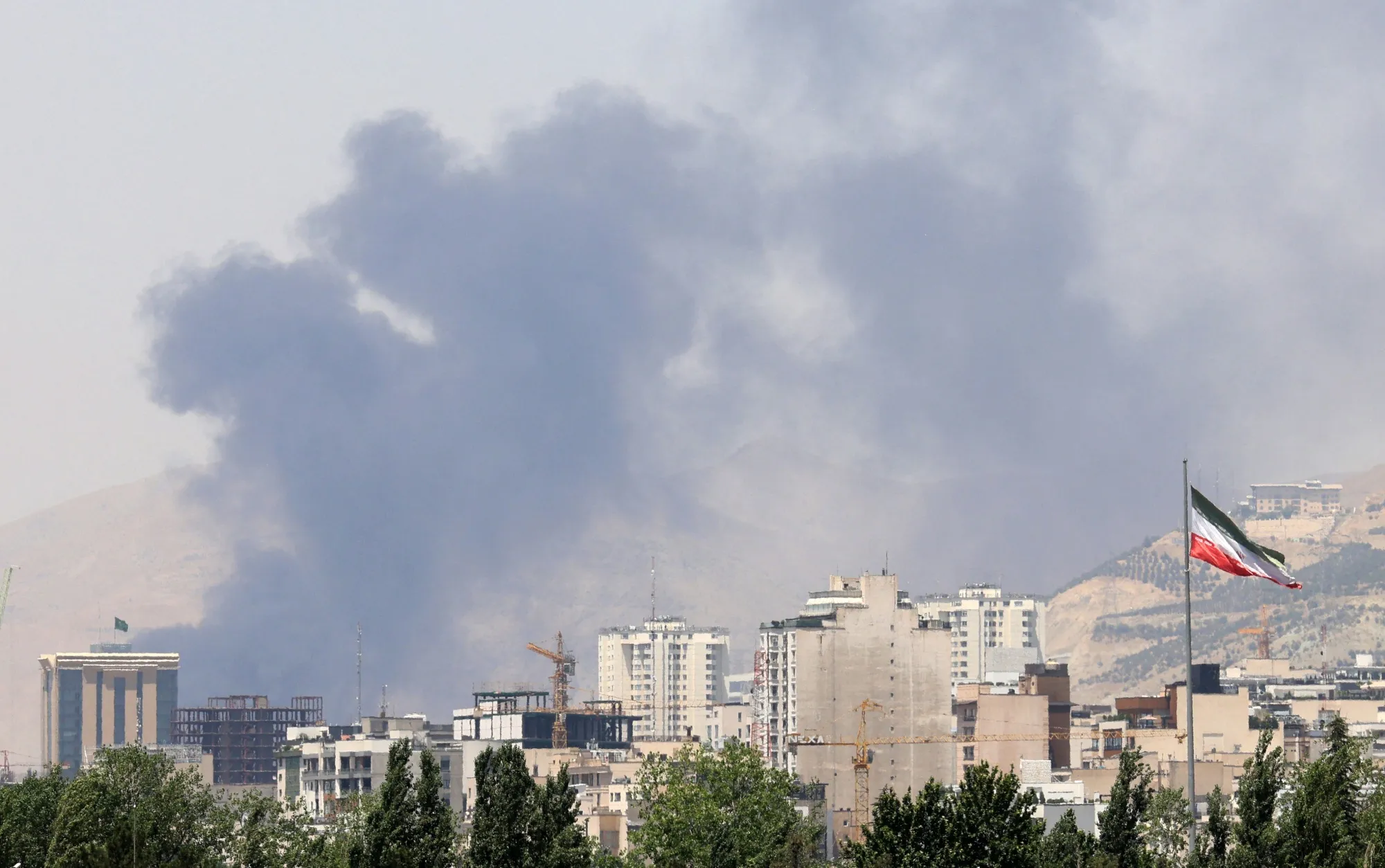
Debate continues within international legal and diplomatic circles over whether recent military strikes carried out by the United States and Israel against Iran comply with international law. Legal scholars, governments and multilateral organisations have offered sharply differing interpretations of the legitimacy of the use of force, reflecting broader tensions within the global rules based order.

At the centre of the discussion is the framework established by the United Nations Charter, the foundational legal instrument governing the conduct of states in matters of peace and security. The Charter generally prohibits the use of force against the territorial integrity or political independence of any state. This prohibition was established after the Second World War to limit unilateral warfare and place responsibility for collective security within the international system.

International law recognises only two primary circumstances in which the use of force may be considered lawful. The first is when the United Nations Security Council authorises military action to address threats to international peace and security. The second is the inherent right of self defence when a state faces an armed attack. These provisions have formed the central legal benchmark against which most modern military interventions are assessed.


ADVERTISEMENT

In the case of the strikes against Iran, critics argue that neither condition has clearly been met. No Security Council resolution has authorised military action against Iran, and there has been ongoing debate among legal experts about whether the circumstances satisfy the legal threshold for self defence. Some scholars and human rights advocates have therefore characterised the action as inconsistent with the prohibition on the use of force contained in the UN Charter.

A key element in the debate concerns the concept of anticipatory or pre emptive self defence. Governments sometimes argue that force may be used to prevent an imminent attack before it occurs. This idea is frequently linked to the historical Caroline case, a nineteenth century diplomatic incident that has influenced customary interpretations of self defence in international law. The doctrine suggests that such action may only be justified when a threat is immediate, overwhelming and leaves no reasonable alternative.

Many legal scholars contend that the threshold for invoking anticipatory self defence remains extremely high. They argue that preventive military action aimed at neutralising potential future threats does not generally satisfy the requirements of international law unless there is clear evidence that an armed attack is imminent. Within this interpretation, broad claims of pre emptive self defence risk weakening the prohibition on unilateral uses of force that underpins the post war international system.

The United States and Israel have presented a different interpretation of the legal context. Officials from both governments have argued that Iran’s support for armed groups operating across the Middle East forms part of a wider pattern of hostilities that has persisted for years. From this perspective, the strikes are framed as measures taken within an ongoing security confrontation rather than the beginning of a new war.

Supporters of this position also argue that the nature of contemporary threats, including missile proliferation and nuclear capability, requires a more flexible interpretation of self defence. They contend that waiting until an attack occurs may leave states unable to protect their populations from catastrophic harm.

These competing interpretations illustrate a longstanding tension within international law between strict legal limits on the use of force and the evolving security concerns of states. The debate is not new. Similar arguments have emerged in previous conflicts involving preventive military action and the perceived threat of weapons of mass destruction.

Across Africa and the broader Global South, discussions about the legality of such conflicts often extend beyond legal doctrine to questions of fairness and consistency in the application of international law. Many African governments and scholars have historically emphasised the importance of multilateral decision making, negotiated diplomacy and respect for sovereignty in resolving international disputes.

These priorities are reflected in continental diplomatic traditions and in the African Union’s emphasis on peaceful settlement of conflicts. From this perspective, the strength of the international legal order lies in the equal application of rules to all states, regardless of their political or military power.

The implications of conflicts in the Middle East also resonate across African economies and societies. Instability in the region can influence global energy prices, trade routes and food supply chains, all of which have direct consequences for countries across the continent. For many African policymakers, maintaining a stable and predictable international system remains a strategic priority.

Ultimately, the legal debate surrounding the strikes on Iran reflects broader questions about how international law should adapt to contemporary geopolitical realities. Some scholars argue that the strict limitations of the UN Charter must be preserved in order to prevent the erosion of global legal norms. Others contend that evolving threats require new interpretations of self defence within the international system.

As diplomatic discussions continue, the question of legality is likely to remain contested. For many observers in Africa and across the Global South, the issue is not only about one conflict but about the credibility of international law itself and whether it can provide a fair and consistent framework for global peace and security.

Tags: African diplomacyanticipatory self defenceGeopoliticsGlobal GovernanceInternational LawIran Israel conflictUN Security CouncilUnited Nations CharterUnited States foreign policywar of aggression
Previous Post

Top Five Destinations Welcoming Travellers as Tourism Patterns Shift in 2026

Next Post

KPMG Opens Applications for 2026 Female Founders in Africa Competition

SAT Reporter

Related Posts

Trump Administration’s Visa Suspension Raises Alarm Across Africa
International news

Trump Administration’s Visa Suspension Raises Alarm Across Africa

by SAT Reporter
January 23, 2026
Trump Administration Expands US Travel Restrictions in Renewed Security Push
International news

Trump Administration Expands US Travel Restrictions in Renewed Security Push

by SAT Reporter
December 18, 2025
Trump Rules Out Third Term in “60 Minutes” Interview
International news

Trump Rules Out Third Term in “60 Minutes” Interview

by Times Reporter
November 4, 2025
Trump’s Nigeria Strike Threat Jolts Washington and Reignites Debate on Africa’s Place in U.S. Policy
International news

Trump’s Nigeria Strike Threat Jolts Washington and Reignites Debate on Africa’s Place in U.S. Policy

by Times Reporter
November 4, 2025
Congo-Brazzaville and Zimbabwe Leaders Attend China’s Military Parade in Beijing
International news

Congo-Brazzaville and Zimbabwe Leaders Attend China’s Military Parade in Beijing

by Times Reporter
September 4, 2025
Next Post
KPMG Opens Applications for 2026 Female Founders in Africa Competition

KPMG Opens Applications for 2026 Female Founders in Africa Competition

Browse by Category

  • Africa AI
  • African Continental Free Trade Area
  • African Debt
  • African Start ups
  • Agriculture
  • AI Africa
  • Algeria
  • All News
  • Analysis
  • Angola
  • Arts / Culture
  • Asia
  • Botswana
  • BOTSWANA
  • BREAKING NEWS
  • BRICS
  • Burkina Faso
  • Burundi
  • Business
  • Business
  • Business Wire
  • Cameroon
  • Central Africa
  • Chad
  • China
  • Climate Change
  • Climate Changev
  • Community
  • Congo Republic
  • Conservation
  • Côte d’Ivoire
  • COVID 19
  • CRYPTOCURRENCY
  • Culture
  • Democratic Republic of Congo
  • Diplomacy
  • Eastern Africa
  • Economic Development
  • Economy
  • Education
  • Egypt
  • Elections 2024
  • Energy
  • Entertainment
  • Environment
  • Eritrea
  • Ethiopia
  • Europe
  • Fashion
  • Feature
  • Finance
  • Financial Inclusion
  • Food
  • Food and Drink
  • Foods
  • GABON
  • Ghana
  • Global
  • Global Africa
  • Guinea
  • Health
  • Immigration
  • in Southern Africa
  • International news
  • International Relations
  • Investment
  • Ivory Coast
  • Just In
  • Kenya
  • Lesotho
  • Libya
  • Life Style
  • Lifestyle
  • Literature
  • Malawi
  • Malawi
  • Mali
  • Markets
  • Mauritius
  • Middle East
  • Mining in Africa
  • Morocco
  • Mozambique
  • Namibia
  • Niger
  • niger
  • Nigeria
  • North Africa
  • North-Eastern Africa
  • Obituaries
  • Obituary
  • Opinion
  • PARTNER CONTENT
  • Politics
  • Property
  • Racism
  • Rwanda
  • Rwanda
  • SADC
  • SAT Interviews
  • SAT Investigation
  • SAT Jobs
  • Saudi Arabia
  • Senegal
  • Seychelles
  • Somaliland
  • South Africa
  • South Sudan
  • Sports
  • Startup Africa
  • STOCK EXCHANGE
  • Sudan
  • Sustainability
  • Sustainablity
  • Tanzania
  • Technology
  • Telecommunications
  • The Editorial Board
  • The Power Of She
  • Togo
  • Trade
  • Travel
  • Travel
  • Tunisia
  • Uganda
  • Uncategorized
  • Wealth
  • West Africa
  • World
  • World
  • Zambia
  • ZAMBIA
  • ZIMBABWE
  • Zimbabwe

Browse by Tags

#NewsUpdate #SouthAfrica #SouthernAfricanTimes #TheSouthernAfricanTimes AfCFTA africa African Continental Free Trade Area African development African Development Bank African economies African economy African Union Agriculture Angola Botswana Business China Climate change Cyril Ramaphosa Economic Development economic growth energy transition fiscal policy industrialisation Inflation Infrastructure Infrastructure Development International relations Investment Kenya Mozambique Namibia news Nigeria Regional Integration renewable energy Rwanda SADC South Africa Southern Africa sustainable development Tanzania United States Zambia Zimbabwe
ADVERTISEMENT

WHO WE ARE

The Southern African Times is a regional bloc digital newspaper that covers Southern African and world news. The paper also gives a nuanced analysis on news and covers a wide range of reporting which include sports, entertainment, foreign affairs, arts and culture.

Welcome Back!

Login to your account below

Forgotten Password?

Retrieve your password

Please enter your username or email address to reset your password.

Log In

  • Home
  • Southern Africa
  • Business
    • African Start ups
    • African Continental Free Trade Area
  • Technology
    • Lifestyle
      • Health
      • Culture
      • Food and Drink
      • Entertainment
  • Opinion
  • Sports
  • SAT Jobs
    • Events
  • About Us
    • Advertise with Us
    • Contact Us
Are you sure want to unlock this post?
Unlock left : 0
Are you sure want to cancel subscription?
