Thursday, April 16, 2026
  • Login
The Southern African Times
  • Home
  • Southern Africa
  • Business
    • African Start ups
    • African Continental Free Trade Area
  • Technology
    • Lifestyle
      • Health
      • Culture
      • Food and Drink
      • Entertainment
  • Opinion
  • Sports
  • SAT Jobs
    • Events
  • About Us
    • Advertise with Us
    • Contact Us
No Result
View All Result
  • Home
  • Southern Africa
  • Business
    • African Start ups
    • African Continental Free Trade Area
  • Technology
    • Lifestyle
      • Health
      • Culture
      • Food and Drink
      • Entertainment
  • Opinion
  • Sports
  • SAT Jobs
    • Events
  • About Us
    • Advertise with Us
    • Contact Us
No Result
View All Result
The Southern African Times
No Result
View All Result
Home Energy

Eskom’s 6 Per Cent Wage Offer Rejected by Major South African Unions

by SAT Reporter
February 18, 2026
in Energy
0
Eskom’s 6 Per Cent Wage Offer Rejected by Major South African Unions

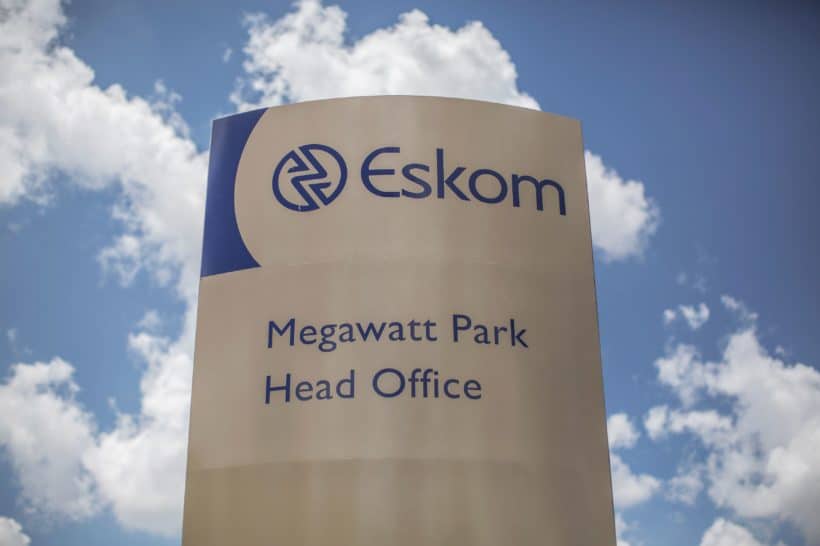
South African power utility Eskom’s revised offer of a 6 per cent salary increase has been rejected by two of the country’s largest trade unions, intensifying wage negotiations at a pivotal juncture for the national electricity provider.

The Southern African Times has confirmed that the National Union of Mineworkers and the National Union of Metalworkers of South Africa declined the improved offer following a third round of talks in Johannesburg. Eskom had initially tabled a 5.5 per cent increase before raising it to 6 per cent last week in an effort to move negotiations forward.

The National Union of Mineworkers has adjusted its wage demand to 12 per cent, down from an earlier position of 15 per cent. The revised demand remains significantly above South Africa’s annual consumer inflation rate, which stood at 3.6 per cent in December 2025 according to official statistics. Union representatives have stated that workers believe their contribution to stabilising electricity generation warrants a higher adjustment.


ADVERTISEMENT

The National Union of Metalworkers of South Africa has similarly rejected the current offer, indicating that it does not meet members’ expectations. Further discussions between Eskom and organised labour are scheduled to continue this week. A third union involved in the process has not issued a public statement, citing the sensitivity of the negotiations.

The talks take place within a changing operational and financial landscape for Eskom. After years characterised by rotational power cuts and financial strain, the utility has reported improved performance at several coal fired power stations. This has coincided with the suspension of load shedding and the reporting of its first annual profit in eight years. While these developments have been welcomed by industry and households alike, the durability of this recovery remains closely linked to cost management, infrastructure investment and debt servicing obligations.

Eskom previously concluded a three year wage agreement in 2023 that granted non managerial employees annual increases of 7 per cent. The current negotiations are aimed at securing another multi year settlement, which the utility views as essential for financial planning and operational stability. For labour, the negotiations are framed within broader concerns about income security, living costs and the equitable distribution of gains associated with improved performance.

Beyond South Africa, Eskom’s stability holds regional implications. The utility plays a central role in the Southern African Power Pool, supporting interconnected electricity systems across neighbouring states. Labour stability within Eskom therefore carries significance not only for domestic economic activity but also for energy coordination and industrial continuity in parts of Southern Africa.

The Southern African Times will continue to follow the negotiations, recognising that their outcome will shape both workplace relations and the trajectory of energy security in the region.

Tags: Energy SecurityEskomInflationlabour relationsNational Union of MineworkersNUMSApublic utilitiesSouth AfricaSouthern African Power Poolwage negotiations
Previous Post

United Kingdom Restricts Botswana Red Meat Imports Following Foot and Mouth Outbreak

Next Post

South Africa Considers Phasing Out Prime Lending Rate in Favour of Repo Benchmark

SAT Reporter

Related Posts

Africa Must Refine to Secure Energy Future, Says African Energy Chamber
Energy

Africa Must Refine to Secure Energy Future, Says African Energy Chamber

by SAT Reporter
April 15, 2026
TotalEnergies Makes New Offshore Congo Discovery as Output Drive Gains Pace
Energy

TotalEnergies Makes New Offshore Congo Discovery as Output Drive Gains Pace

by SAT Reporter
April 15, 2026
Germany Extends €200 Million Concessional Loan to Support South Africa’s Energy Transition
Energy

Germany Extends €200 Million Concessional Loan to Support South Africa’s Energy Transition

by SAT Reporter
April 15, 2026
Tanzania Faces Fuel Price Surge Amid Global Oil Strains
Energy

Tanzania Faces Fuel Price Surge Amid Global Oil Strains

by SAT Reporter
April 8, 2026
Middle East Conflict Risks Slowing Africa’s Growth
Energy

Middle East Conflict Risks Slowing Africa’s Growth

by SAT Reporter
April 4, 2026
Next Post
South Africa Considers Phasing Out Prime Lending Rate in Favour of Repo Benchmark

South Africa Considers Phasing Out Prime Lending Rate in Favour of Repo Benchmark

Browse by Category

  • Africa AI
  • African Continental Free Trade Area
  • African Debt
  • African Start ups
  • Agriculture
  • AI Africa
  • Algeria
  • All News
  • Analysis
  • Angola
  • Arts / Culture
  • Asia
  • Botswana
  • BOTSWANA
  • BREAKING NEWS
  • BRICS
  • Burkina Faso
  • Burundi
  • Business
  • Business
  • Business Wire
  • Cameroon
  • Central Africa
  • Chad
  • China
  • Climate Change
  • Climate Changev
  • Community
  • Congo Republic
  • Conservation
  • Côte d’Ivoire
  • COVID 19
  • CRYPTOCURRENCY
  • Culture
  • Democratic Republic of Congo
  • Diplomacy
  • Eastern Africa
  • Economic Development
  • Economy
  • Education
  • Egypt
  • Elections 2024
  • Energy
  • Entertainment
  • Environment
  • Eritrea
  • Ethiopia
  • Europe
  • Fashion
  • Feature
  • Finance
  • Financial Inclusion
  • Food
  • Food and Drink
  • Foods
  • GABON
  • Ghana
  • Global
  • Global Africa
  • Guinea
  • Health
  • Immigration
  • in Southern Africa
  • International news
  • International Relations
  • Ivory Coast
  • Just In
  • Kenya
  • Lesotho
  • Libya
  • Life Style
  • Lifestyle
  • Literature
  • Malawi
  • Malawi
  • Mali
  • Markets
  • Mauritius
  • Middle East
  • Mining in Africa
  • Morocco
  • Mozambique
  • Namibia
  • Niger
  • niger
  • Nigeria
  • North Africa
  • North-Eastern Africa
  • Obituaries
  • Obituary
  • Opinion
  • PARTNER CONTENT
  • Politics
  • Property
  • Racism
  • Rwanda
  • Rwanda
  • SADC
  • SAT Interviews
  • SAT Investigation
  • SAT Jobs
  • Saudi Arabia
  • Senegal
  • Seychelles
  • South Africa
  • South Sudan
  • Sports
  • Startup Africa
  • STOCK EXCHANGE
  • Sudan
  • Sustainability
  • Sustainablity
  • Tanzania
  • Technology
  • Telecommunications
  • The Editorial Board
  • The Power Of She
  • Togo
  • Trade
  • Travel
  • Travel
  • Tunisia
  • Uganda
  • Uncategorized
  • Wealth
  • West Africa
  • World
  • World
  • ZAMBIA
  • Zambia
  • ZIMBABWE
  • Zimbabwe

Browse by Tags

#NewsUpdate #SouthAfrica #SouthernAfricanTimes #TheSouthernAfricanTimes AfCFTA africa African Continental Free Trade Area African development African Development Bank African economies African economy African Union Agriculture Angola Botswana Business China Climate change Cyril Ramaphosa Economic Development economic growth energy transition fiscal policy food security industrialisation Inflation Infrastructure Development International relations Investment Kenya Mozambique Namibia news Nigeria Regional Integration renewable energy Rwanda SADC South Africa Southern Africa sustainable development Tanzania United States Zambia Zimbabwe
ADVERTISEMENT

WHO WE ARE

The Southern African Times is a regional bloc digital newspaper that covers Southern African and world news. The paper also gives a nuanced analysis on news and covers a wide range of reporting which include sports, entertainment, foreign affairs, arts and culture.

Welcome Back!

Login to your account below

Forgotten Password?

Retrieve your password

Please enter your username or email address to reset your password.

Log In

  • Home
  • Southern Africa
  • Business
    • African Start ups
    • African Continental Free Trade Area
  • Technology
    • Lifestyle
      • Health
      • Culture
      • Food and Drink
      • Entertainment
  • Opinion
  • Sports
  • SAT Jobs
    • Events
  • About Us
    • Advertise with Us
    • Contact Us
Are you sure want to unlock this post?
Unlock left : 0
Are you sure want to cancel subscription?