In a significant financial commitment announced at a donor conference in Washington, the United Arab Emirates has pledged five hundred million US dollars to a United Nations fund addressing the profound humanitarian crisis in Sudan. The pledge forms part of a broader international effort, spearheaded by the United States, which anticipates total new commitments reaching approximately one point five billion dollars. This development occurs against a deeply contentious backdrop where the UAE faces persistent and credible allegations from the Sudanese government, United Nations experts, and some United States lawmakers of supplying military support to the paramilitary Rapid Support Forces, a primary belligerent in the civil war.
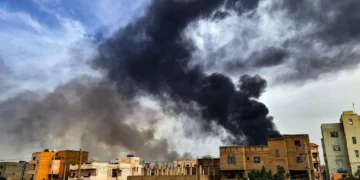
The conflict, which erupted in April 2023, has precipitated a catastrophe of staggering proportions. Estimates indicate tens of thousands have lost their lives, while millions have been displaced internally and across borders. A severe famine now threatens vast swathes of the country, with fighting recently intensifying in regions such as South Kordofan. The UAE’s substantial aid pledge, therefore, presents a complex diplomatic narrative, juxtaposing a leading humanitarian contribution with steadfast denials of involvement in the very conflict creating the need for such aid.
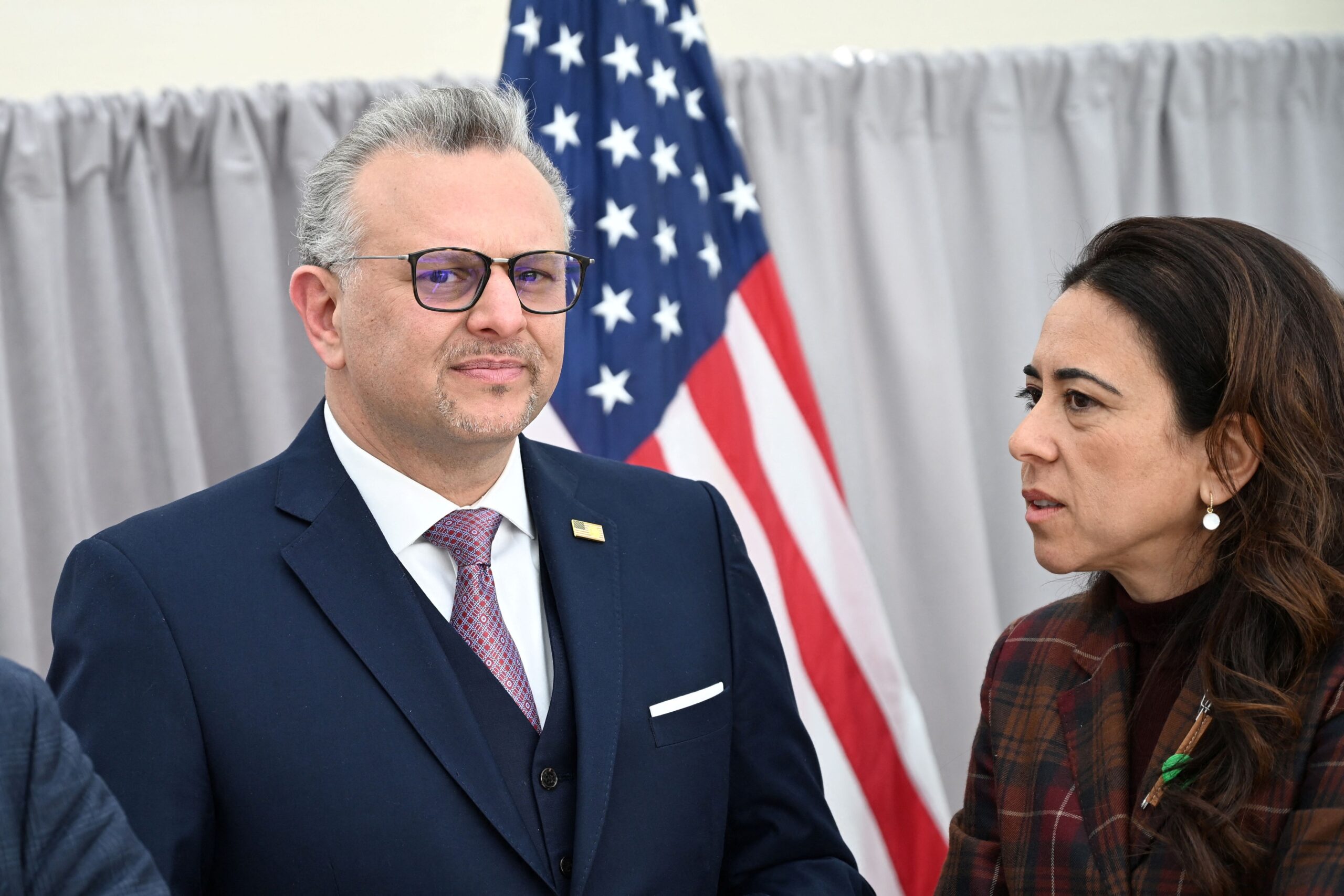
Speaking at the Washington event, UAE Minister of State Lana Nusseibeh articulated her government’s desire for a ceasefire and a future civilian led government in Sudan, without directly addressing the allegations of military support. This position underscores a recurring feature of contemporary geopolitics where state actors may engage in multiple, and at times contradictory, forms of international engagement. Academic research on middle power diplomacy suggests that humanitarian aid can function as a tool of soft power, potentially aimed at reshaping narratives and influence within turbulent regions. The UAE’s strategic investments across the African continent are well documented, and its involvement in Sudan, whether through alleged covert support or overt aid, reflects a calculated pursuit of regional interests that extends beyond simplistic humanitarian or conflictual binaries.



Concurrently, United States Special Envoy Massad Boulos outlined the diplomatic challenges, acknowledging limited progress towards a humanitarian truce despite intensified efforts. Washington is advocating for a ceasefire to coincide with the imminent Muslim holy month of Ramadan, building upon a peace proposal developed with the so called Quad grouping comprising the US, UAE, Saudi Arabia, and Egypt. While the text of this plan has reportedly been accepted by these external parties, the critical assent from the Sudanese Armed Forces and the Rapid Support Forces remains elusive. The path to a sustainable political solution, as analysts from the Institute for Security Studies have noted, remains fraught, as external initiatives often struggle to reconcile the profound disconnect between international diplomacy and the fragmented, localised realities of power and grievance within Sudan.

The irony of the UAE’s position as a leading humanitarian donor while being implicated in fuelling the conflict is not lost on observers. It highlights a pervasive issue in complex emergencies where the lines between conflict actor and peacemaker can become blurred. For Sudan, the immediate imperative remains the unimpeded delivery of aid to starving populations, a task hampered by ongoing hostilities and bureaucratic obstructions from all sides. The substantial funds pledged, while urgently needed, will prove ineffective without corresponding diplomatic pressure to secure humanitarian access and a genuine commitment to peace from all external parties involved.

The narrative emerging from Sudan must be humanised and centred on African agency. The conflict is not merely a theatre for proxy rivalries but a profound tragedy for its people, whose futures are being eroded by violence and hunger. A Pan African understanding necessitates a critique of all external interventions that perpetuate conflict, whether through arms or political manoeuvring, while also recognising the imperative of humanitarian solidarity. The ultimate measure of success for the Washington donor conference will not be the sum of pledges alone, but whether it catalyses a tangible reduction in violence and a political process that prioritises the sovereignty and will of the Sudanese people above the strategic interests of external powers. The road to peace, as underscored by the continued fighting, remains perilously long.