Zambia has received an upgrade in its sovereign credit rating from S&P Global Ratings, formally exiting its default status and marking a measured step in the country’s ongoing economic recovery. The development follows several years of fiscal adjustment and complex debt restructuring negotiations aimed at restoring macroeconomic stability.
On Friday, S&P Global Ratings raised Zambia’s long and short-term foreign currency credit ratings to CCC+ and C respectively, with a stable outlook. The decision ends the country’s selective default (SD) classification and reflects what the agency described as “improvements in debt sustainability and fiscal management.”
Finance Minister Situmbeko Musokotwane welcomed the announcement, stating that it demonstrated “progress in restoring Zambia’s standing as a credible economy.” He reiterated the government’s commitment to completing the remaining components of debt restructuring and advancing reforms that expand access to energy and promote fiscal discipline.




In September, Zambia’s Ministry of Finance projected a more optimistic medium-term fiscal outlook, estimating that the national budget deficit could reduce by more than half by 2026, alongside projected economic growth above 6 percent. The government attributed these projections to ongoing policy reforms and a more favourable external environment for commodity exports, particularly copper.
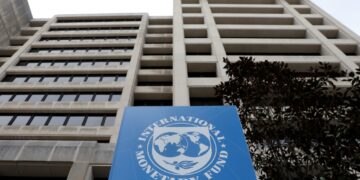
The southern African nation, one of the continent’s largest copper producers, has faced prolonged economic challenges stemming from high debt levels, currency pressures, and the impact of recurring droughts on agriculture and energy production. Its reform programme, supported by international partners such as the International Monetary Fund (IMF) and the World Bank, aims to balance fiscal consolidation with social protection and sustainable investment.
While the ratings upgrade represents an improvement in Zambia’s credit profile, economists have cautioned that sustained recovery will depend on continued policy consistency, effective debt management, and resilience to external shocks. The government’s ability to maintain growth while managing inflation and safeguarding public spending will remain key indicators of progress.
Observers note that Zambia’s experience offers a broader reflection of Africa’s evolving engagement with global financial systems. The country’s gradual recovery underscores the importance of African-led approaches to fiscal sustainability that consider local priorities and regional economic realities. This perspective situates Zambia’s case within a wider continental narrative of recalibrating growth models and strengthening economic self-determination.
The ratings revision, while technical in nature, carries wider implications for investment confidence in the region. It may help attract capital to sectors such as mining, agriculture, and renewable energy, reinforcing Zambia’s position as part of the Southern African growth corridor. However, long-term outcomes will depend on the consistency of policy implementation and continued collaboration between government institutions and regional partners.