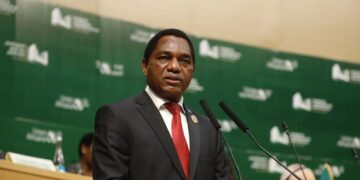
Angolan President João Lourenço, who currently serves as Chairperson of the African Union, issued a compelling appeal on Monday for systemic reform of global financial institutions to better accommodate the development needs of African nations. Speaking at the Fourth International Conference on Financing for Development (FfD4) in Seville, Spain, the President underlined the unsustainable burden of sovereign debt and the critical need for infrastructure investment tailored to Africa’s economic realities.
Lourenço’s address comes at a time when African economies face compounding fiscal constraints. According to the African Development Bank (AfDB), the continent’s external debt reached approximately $1.1 trillion in 2023, with debt servicing often exceeding national spending on essential sectors such as health and education. This fiscal imbalance, Lourenço argued, is significantly obstructing progress toward the UN Sustainable Development Goals (SDGs) and the African Union’s Agenda 2063, which outlines a strategic framework for inclusive and sustainable development over the next decades.
“Africa cannot develop without robust infrastructure,” Lourenço stated, citing the need for reliable energy, modern transport networks, and digital connectivity as essential drivers of trade, industrialisation, agricultural productivity, and employment. Yet, as Lourenço pointed out, the financing architecture for such transformative projects remains largely misaligned with the economic structures and debt conditions prevalent across African states.



The President called on the international financial system—including multilateral development banks, private investors, and donor countries—to adopt investment mechanisms that reflect African realities. This includes long-term, concessional financing instruments and risk mitigation frameworks capable of unlocking sustainable public-private partnerships.
He also urged reforms that would afford developing and vulnerable countries a more substantial voice in global financial governance. This resonates with growing calls from the Global South for a more representative and equitable decision-making process in institutions such as the International Monetary Fund (IMF) and the World Bank.
The FfD4 conference, which runs from 30 June to 3 July in Seville, brings together global leaders, United Nations agencies, financial institutions, civil society, and the private sector. Its purpose is to facilitate inclusive dialogue on the means of financing development in a way that reduces disparities, accelerates progress on climate goals, and advances resilient economic systems worldwide.


Notably, the infrastructural investment gap in Africa remains stark. The World Bank estimates that the continent requires annual infrastructure investments of between $130 billion and $170 billion, yet current funding levels fall short by up to $108 billion annually. As such, Lourenço’s plea for pragmatic financing structures is timely and reflects an urgent developmental imperative.
As deliberations continue in Seville, the focus on aligning global financial governance with the realities of African development challenges is likely to intensify. Lourenço’s remarks contribute significantly to an evolving international discourse on how to reform the global financial architecture in ways that genuinely support inclusive and sustainable growth.