Thursday, June 4, 2026
  • Login
The Southern African Times
  • Home
  • Southern Africa
  • Business
    • African Start ups
    • African Continental Free Trade Area
  • Technology
    • Lifestyle
      • Health
      • Culture
      • Food and Drink
      • Entertainment
  • Opinion
  • Sports
  • SAT Jobs
    • Events
  • About Us
    • Advertise with Us
    • Contact Us
No Result
View All Result
  • Home
  • Southern Africa
  • Business
    • African Start ups
    • African Continental Free Trade Area
  • Technology
    • Lifestyle
      • Health
      • Culture
      • Food and Drink
      • Entertainment
  • Opinion
  • Sports
  • SAT Jobs
    • Events
  • About Us
    • Advertise with Us
    • Contact Us
No Result
View All Result
The Southern African Times
No Result
View All Result
Home Mining in Africa

Indeni Energy’s Transformation: A New Era for Zambia’s Petroleum Sector or a Risky Shift?

by SAT Reporter
March 12, 2025
in Mining in Africa
0
Indeni Energy’s Transformation: A New Era for Zambia’s Petroleum Sector or a Risky Shift?

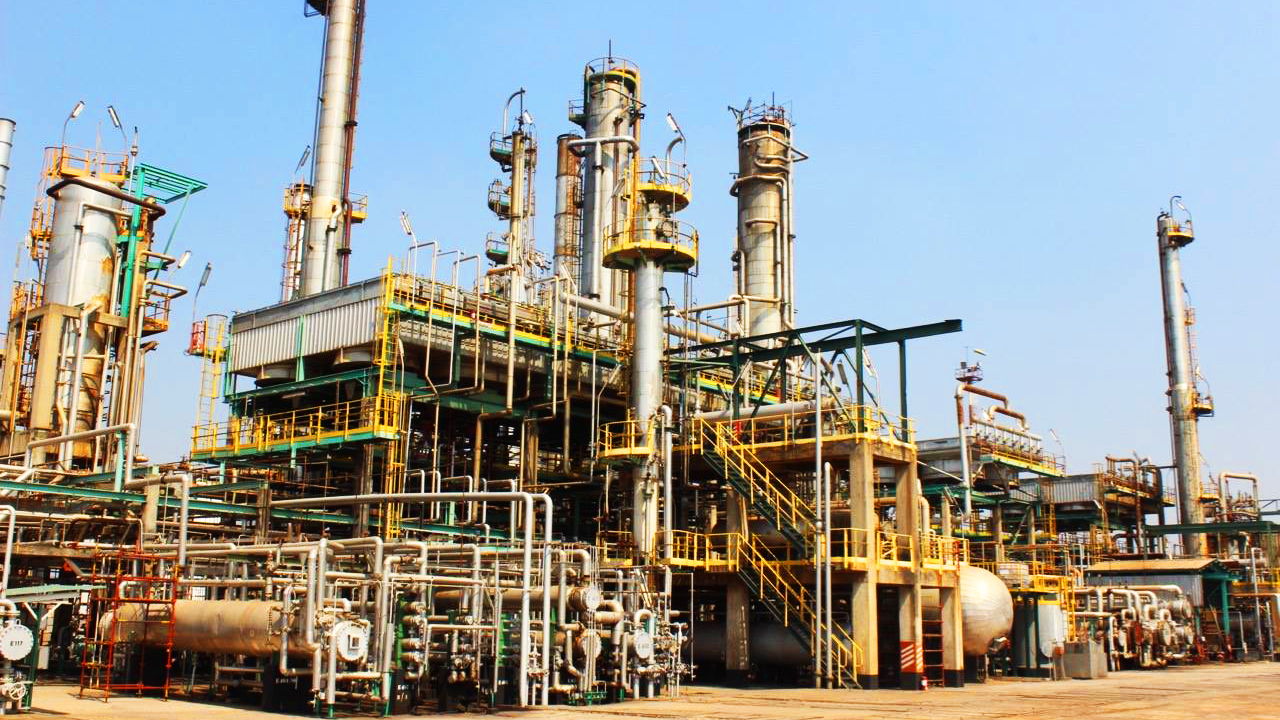
In a strategic shift aimed at modernising Zambia’s energy sector, Indeni Energy Company Limited has transitioned from a petroleum refinery to an Oil Marketing Company (OMC). This transformation, initiated in 2022, aligns with governmental efforts to liberalise the petroleum industry, enhance competitiveness, and improve supply reliability. However, while the move has been heralded as a step towards efficiency and economic growth, critics argue that it introduces new vulnerabilities that could compromise energy security and market fairness.

Historically, Indeni’s operations centred on refining imported spiked crude oil—a blend of crude oil and refined products—delivered via the TAZAMA Pipeline from the Tanzanian port of Dar es Salaam to Ndola, Zambia. However, recognising inefficiencies and high costs associated with this process, the Zambian government opted to restructure Indeni’s role. Under its new mandate as an OMC, Indeni now focuses on importing, storing, and distributing refined petroleum products, including low-sulphur gas oil (diesel), petrol, Jet A-1 fuel, kerosene, liquefied petroleum gas (LPG), and heavy fuel oil (HFO). This transition is expected to enhance supply security, reduce transportation costs, and foster a more competitive fuel market.

A pivotal aspect of Indeni’s new operational framework is the utilisation of the TAZAMA Pipeline Open Access System, enabling efficient transportation of low-sulphur gas oil from Dar es Salaam to Zambia’s Copperbelt region. This shift is intended to streamline the fuel supply chain, stabilise prices, and bolster the nation’s energy security. Additionally, the transformation is expected to stimulate job creation, particularly in rural areas, through the expansion of fuel stations and the development of a bioethanol refinery—initiatives that align with Zambia’s climate action efforts.


ADVERTISEMENT

However, this restructuring has not been without criticism. Analysts have raised concerns about Indeni’s ability to compete in a fully liberalised market, particularly in accessing government-owned infrastructure like the TAZAMA pipeline. There is apprehension that multinational oil marketing companies could dominate the sector, potentially sidelining local enterprises and undermining the intended benefits of increased competition. Critics also caution against the government’s complete disengagement from fuel procurement and financing, arguing that an over-reliance on private sector imports could lead to price volatility and expose consumers to economic shocks.


The broader implications of this shift extend to Zambia’s energy security. With the government relinquishing direct control over fuel reserves, ensuring the stability of supply chains becomes a pressing concern. A report by Lusaka Times highlights the risks associated with IMF-driven petroleum reforms, warning that Zambia’s energy sector could become overly dependent on external market dynamics. This underscores the necessity for robust regulatory frameworks to mitigate supply disruptions and market monopolisation.

As Zambia navigates this transition, policymakers must balance liberalisation with safeguards that protect national interests. Ensuring transparent access to critical infrastructure, maintaining strategic fuel reserves, and implementing effective regulatory oversight will be essential in realising the full potential of Indeni’s transformation while mitigating associated risks. The future of Zambia’s energy security and market competitiveness now hinges on how effectively these measures are executed.


Tags: bioethanol refineryEconomic DevelopmentEnergy Securityfuel supply chainIndeni Energylow-sulphur gas oil.Oil Marketing Companypetroleum industry liberalisationTAZAMA PipelineZambia energy sector
Previous Post

Prospect Resources Unveils Maiden Mineral Resource Estimate for Mumbezhi Copper Project in Zambia

Next Post

IFC Extends $27 Million Loan to Morocco’s Addoha Group to Expand Affordable Housing in Côte d’Ivoire

SAT Reporter

Related Posts

Petra Diamonds restructures Finsch mine amid industry pressures
Mining in Africa

Petra Diamonds restructures Finsch mine amid industry pressures

by SAT Reporter
May 30, 2026
Valterra Keeps Platinum Operations Stable Amid Iran War Risks
Mining in Africa

Valterra Keeps Platinum Operations Stable Amid Iran War Risks

by SAT Reporter
May 19, 2026
Zambia Forms Gold Mining Joint Venture to Diversify Beyond Copper
Mining in Africa

Zambia Forms Gold Mining Joint Venture to Diversify Beyond Copper

by SAT Reporter
May 19, 2026
Caledonia Mining reports higher Q1 revenue as gold prices strengthen
Mining in Africa

Caledonia Mining reports higher Q1 revenue as gold prices strengthen

by SAT Reporter
May 18, 2026
Zimbabwe Expands Diamond Ambitions Despite Global Turbulence
Mining in Africa

Zimbabwe Expands Diamond Ambitions Despite Global Turbulence

by SAT Reporter
May 18, 2026
Next Post
IFC Extends $27 Million Loan to Morocco’s Addoha Group to Expand Affordable Housing in Côte d’Ivoire

IFC Extends $27 Million Loan to Morocco’s Addoha Group to Expand Affordable Housing in Côte d’Ivoire

Browse by Category

  • Africa AI
  • African Continental Free Trade Area
  • African Debt
  • African Start ups
  • Agriculture
  • AI Africa
  • Algeria
  • All News
  • Analysis
  • Angola
  • Arts / Culture
  • Asia
  • Botswana
  • BOTSWANA
  • BREAKING NEWS
  • BRICS
  • Burkina Faso
  • Burundi
  • Business
  • Business
  • Business Wire
  • Cameroon
  • Central Africa
  • Chad
  • China
  • Climate Change
  • Climate Changev
  • Community
  • Congo Republic
  • Conservation
  • Côte d’Ivoire
  • COVID 19
  • CRYPTOCURRENCY
  • Culture
  • Democratic Republic of Congo
  • Diplomacy
  • Eastern Africa
  • Economic Development
  • Economy
  • Education
  • Egypt
  • Elections 2024
  • Energy
  • Entertainment
  • Environment
  • Eritrea
  • Ethiopia
  • Europe
  • Fashion
  • Feature
  • Finance
  • Financial Inclusion
  • Food
  • Food and Drink
  • Foods
  • GABON
  • Ghana
  • Global
  • Global Africa
  • Guinea
  • Health
  • Humanitarian Aid
  • Immigration
  • in Southern Africa
  • International news
  • International Relations
  • Investment
  • Ivory Coast
  • Just In
  • Kenya
  • Lesotho
  • Libya
  • Life Style
  • Lifestyle
  • Literature
  • Malawi
  • Malawi
  • Mali
  • Markets
  • Mauritius
  • Middle East
  • Mining in Africa
  • Morocco
  • Mozambique
  • Namibia
  • Niger
  • niger
  • Nigeria
  • North Africa
  • North-Eastern Africa
  • Obituaries
  • Obituary
  • Opinion
  • PARTNER CONTENT
  • Politics
  • Property
  • Racism
  • Rwanda
  • Rwanda
  • SADC
  • SAT Interviews
  • SAT Investigation
  • SAT Jobs
  • Saudi Arabia
  • Senegal
  • Seychelles
  • Somaliland
  • South Africa
  • South Sudan
  • Sports
  • Startup Africa
  • STOCK EXCHANGE
  • Sudan
  • Sustainability
  • Sustainablity
  • Tanzania
  • Technology
  • Telecommunications
  • The Editorial Board
  • The Power Of She
  • Togo
  • Trade
  • Travel
  • Travel
  • Tunisia
  • Uganda
  • Uncategorized
  • Wealth
  • West Africa
  • World
  • World
  • Zambia
  • ZAMBIA
  • ZIMBABWE
  • Zimbabwe

Browse by Tags

#NewsUpdate #SouthAfrica #SouthernAfricanTimes #TheSouthernAfricanTimes AfCFTA africa African Continental Free Trade Area African development African Development Bank African economies African economy African Union Agriculture Angola Botswana China Climate change Cyril Ramaphosa Economic Development economic growth energy transition Ghana governance industrialisation Inflation Infrastructure Infrastructure Development International relations Investment Kenya Mozambique Namibia news Nigeria Regional Integration renewable energy Rwanda SADC South Africa Southern Africa sustainable development Tanzania United States Zambia Zimbabwe
ADVERTISEMENT

WHO WE ARE

The Southern African Times is a regional bloc digital newspaper that covers Southern African and world news. The paper also gives a nuanced analysis on news and covers a wide range of reporting which include sports, entertainment, foreign affairs, arts and culture.

Welcome Back!

Login to your account below

Forgotten Password?

Retrieve your password

Please enter your username or email address to reset your password.

Log In
  • Home
  • Southern Africa
  • Business
    • African Start ups
    • African Continental Free Trade Area
  • Technology
    • Lifestyle
      • Health
      • Culture
      • Food and Drink
      • Entertainment
  • Opinion
  • Sports
  • SAT Jobs
    • Events
  • About Us
    • Advertise with Us
    • Contact Us
Not enough quota to unlock this post
Unlock left : 0
Are you sure want to cancel subscription?