Three South African soldiers lost their lives and 18 others sustained injuries while serving under the United Nations Organisation Stabilisation Mission in the Democratic Republic of Congo (MONUSCO). The casualties occurred during an ambush on their convoy, highlighting the enduring volatility of the eastern regions of the Democratic Republic of Congo (DRC).
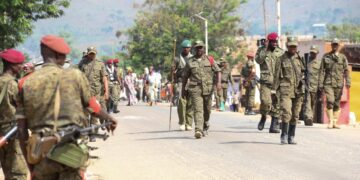
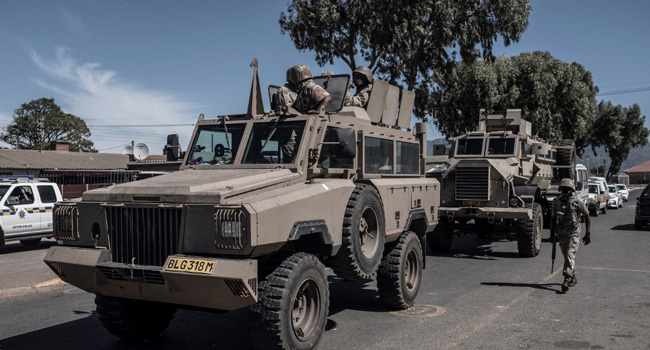
Sources close to the operation confirmed that the attack unfolded on Friday, targeting a convoy transporting South African troops deployed as part of MONUSCO’s peacekeeping mandate. The soldiers were engaged in routine operations aimed at maintaining stability in a region plagued by insurgent activities. Despite their established presence and role in securing the area, they encountered a well-coordinated assault attributed to unidentified armed groups.
The South African National Defence Force (SANDF) promptly released a statement expressing condolences to the bereaved families and pledging continued support to injured personnel. “We deeply mourn the loss of our compatriots who paid the ultimate price in their efforts to bring peace and stability to the Democratic Republic of Congo,” read the statement. The SANDF also acknowledged the risks associated with such missions, affirming their commitment to fulfilling international obligations.



The eastern regions of the DRC, including North Kivu and Ituri provinces, remain hotspots for armed conflict, with numerous factions vying for control over resources and territorial dominance. The complexity of these conflicts, often rooted in ethnic tensions and competition over mineral wealth, poses a formidable challenge for peacekeeping forces. Despite MONUSCO’s presence since 1999, achieving sustainable peace in these regions has remained elusive.
This latest incident has drawn renewed attention to the risks faced by peacekeepers operating in hostile environments. According to the United Nations, MONUSCO personnel are frequently targeted by armed groups seeking to undermine stabilisation efforts. The peacekeeping mission, comprising over 13,000 uniformed personnel, is tasked with protecting civilians, supporting the Congolese government, and addressing the humanitarian crisis exacerbated by ongoing violence.
Friday’s ambush underscores the precarious nature of MONUSCO’s operations and raises pertinent questions about the effectiveness and safety measures of such missions. South Africa, as one of the major contributors to MONUSCO, has played a pivotal role in regional peacekeeping efforts, with its troops often at the forefront of high-risk operations. The country’s significant military involvement in the DRC reflects its broader commitment to regional stability and its obligations under the United Nations charter.
The tragedy has also sparked conversations about the adequacy of support structures for peacekeepers. Observers have called for enhanced logistical and tactical support to ensure the safety of personnel deployed in conflict zones. Critics argue that peacekeepers are frequently under-equipped to contend with the sophisticated weaponry and tactics employed by non-state actors in the DRC.

Moreover, the ambush highlights the persistent challenges of disarmament and reintegration in a country where armed groups often outnumber the capacities of both peacekeeping forces and the Congolese military. The Congolese government, supported by international partners, continues to pursue strategies to neutralise these groups, but progress has been incremental at best. The attack on South African soldiers underscores the pressing need for a holistic approach that addresses the root causes of conflict while bolstering security measures on the ground.
In recent years, MONUSCO has faced scrutiny over its perceived inability to protect civilians effectively. Local populations, particularly in eastern DRC, have expressed frustration over the mission’s limited impact, sometimes staging protests to demand its withdrawal. The South African fatalities add a sombre dimension to this discourse, as it becomes increasingly evident that both peacekeepers and civilians bear the brunt of persistent insecurity.
The ambush comes against the backdrop of broader geopolitical shifts in the region. As neighbouring countries such as Rwanda and Uganda grapple with their own security concerns, regional cooperation has taken on heightened importance. South Africa, through its active participation in peacekeeping missions, has sought to foster diplomatic dialogue aimed at resolving conflicts and building trust among regional actors. However, the attack raises the question of whether existing frameworks for regional security cooperation are sufficient to address the multifaceted challenges of the DRC.
The loss of South African soldiers also underscores the human cost of international peacekeeping missions. As the country mourns the fallen, there is renewed emphasis on the need for comprehensive strategies that prioritise the safety of personnel while advancing peacebuilding objectives. Analysts have urged the South African government and its international partners to reassess current protocols, ensuring that peacekeepers are adequately equipped to navigate the complexities of modern conflict zones.
In the aftermath of Friday’s attack, MONUSCO reiterated its commitment to fulfilling its mandate despite mounting challenges. The mission’s leadership condemned the ambush, describing it as a “heinous act” that underscores the urgent need for international support in stabilising the region. The UN has called on the Congolese government to expedite efforts aimed at neutralising armed groups and ensuring the safety of both civilians and peacekeepers.
As investigations into the incident continue, questions remain about the broader implications for peacekeeping operations in the DRC. Will this tragedy prompt a reevaluation of current approaches, or will it merely underscore the entrenched difficulties of fostering stability in one of the world’s most volatile regions? For South Africa, the incident is a sobering reminder of the sacrifices made in the pursuit of peace, and it reinforces the importance of international solidarity in addressing the complexities of the DRC conflict.
The South African government, in conjunction with the United Nations, is expected to conduct a thorough review of the ambush to identify potential lapses and implement measures to mitigate future risks. Meanwhile, the focus remains on supporting the families of the deceased and ensuring the recovery of injured personnel. In a region where peace remains elusive, the sacrifices of South African soldiers serve as a poignant reminder of the human cost of international efforts to restore stability.