Wednesday, June 24, 2026
  • Login
The Southern African Times
  • Home
  • Southern Africa
  • Business
    • African Start ups
    • African Continental Free Trade Area
  • Technology
    • Lifestyle
      • Health
      • Culture
      • Food and Drink
      • Entertainment
  • Opinion
  • Sports
  • SAT Jobs
    • Events
  • About Us
    • Advertise with Us
    • Contact Us
No Result
View All Result
  • Home
  • Southern Africa
  • Business
    • African Start ups
    • African Continental Free Trade Area
  • Technology
    • Lifestyle
      • Health
      • Culture
      • Food and Drink
      • Entertainment
  • Opinion
  • Sports
  • SAT Jobs
    • Events
  • About Us
    • Advertise with Us
    • Contact Us
No Result
View All Result
The Southern African Times
No Result
View All Result
Home Technology

Potential TikTok Ban Raises Global Concerns for African Creators

by SAT Reporter
January 13, 2025
in Technology
0
Potential TikTok Ban Raises Global Concerns for African Creators

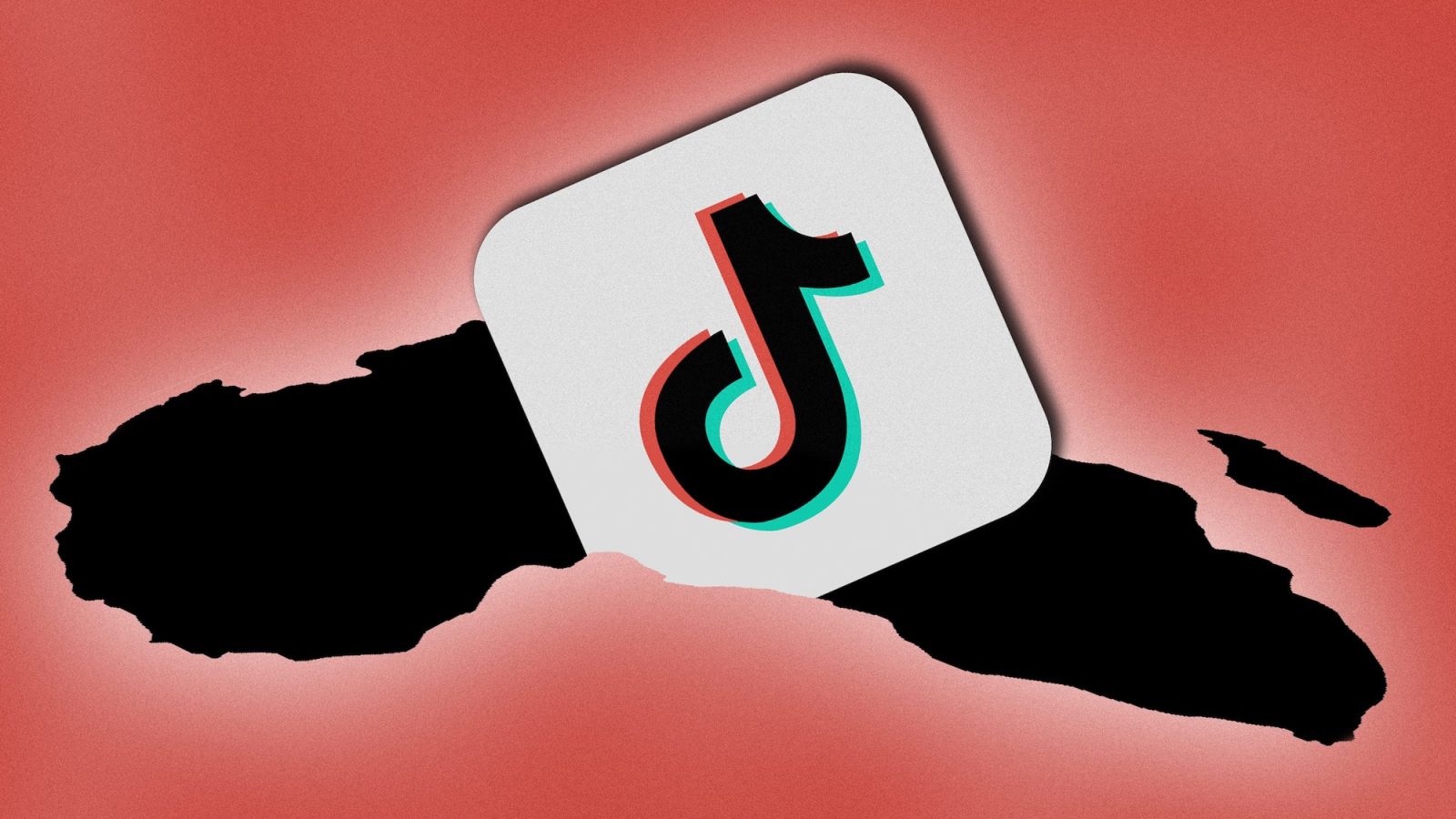
The impending potential disappearance of TikTok in the United States is sending shockwaves through digital communities and marketing professionals worldwide, including Africa, where the app has established a growing user base. The social media giant, owned by Chinese company ByteDance, faces mounting scrutiny from US legislators citing national security concerns. This development, while centred in the US, carries implications for content creators, advertisers, and technology enthusiasts far beyond American borders.

TikTok has become a cultural phenomenon since its global launch, with over 150 million users in the United States alone. The platform has redefined how short-form video content is consumed and monetised. In Africa, TikTok has been embraced by a burgeoning community of creatives, influencers, and small businesses, leveraging its vast reach to connect with a global audience. The potential ban, however, has reignited debates about the geopolitics of technology and its impact on global economies.

At the heart of the issue is the concern that TikTok could be sharing sensitive user data with the Chinese government. While ByteDance has consistently denied such allegations, US lawmakers argue that the platform’s data privacy policies pose a significant risk to national security. Efforts to address these concerns, including the proposed sale of TikTok’s US operations to an American company, have so far been inconclusive. For content creators and businesses, the uncertainty is already being felt.


ADVERTISEMENT

The platform’s influence has been particularly profound in Africa, where young creators have found a voice and a global audience. From viral dance trends to educational content, TikTok has enabled African users to showcase their culture, talent, and entrepreneurial spirit. The app has also provided small and medium-sized enterprises (SMEs) with an affordable and effective marketing tool, driving engagement and sales. For many, TikTok is more than a social media platform; it is an economic lifeline.

A ban in the United States could have cascading effects on TikTok’s global operations. Analysts warn that such a move would not only disrupt revenue streams but could also embolden other countries to impose similar restrictions, fragmenting the digital landscape. For African creators and marketers, this scenario raises critical questions about platform dependency and the need to diversify digital strategies.

The African continent has witnessed a digital revolution in recent years, with increasing internet penetration and smartphone adoption creating fertile ground for platforms like TikTok to thrive. According to the International Telecommunication Union (ITU), 38% of Africa’s population was using the internet in 2024. This growth has been accompanied by a surge in social media activity, making platforms like TikTok integral to daily life and commerce.

Despite its popularity, TikTok’s rise in Africa has not been without challenges. Critics argue that the platform, like other social media giants, has struggled to address issues of misinformation, cyberbullying, and the exploitation of user data. These concerns echo global criticisms of the app and highlight the complexities of regulating digital platforms in a rapidly evolving technological landscape.

Should TikTok face an outright ban in the US, African creators and businesses may need to recalibrate their strategies. Diversification of content distribution channels will likely become a priority. While platforms like Instagram Reels, YouTube Shorts, and Facebook Stories offer alternatives, none has replicated TikTok’s unique algorithm, which is central to its success. This algorithm, which uses advanced machine learning to personalise content recommendations, has been a game-changer for creators seeking to reach niche audiences.

The potential ban also underscores the geopolitical tensions shaping the technology industry. The rivalry between the US and China has increasingly extended into the digital realm, with technology companies often caught in the crossfire. For African stakeholders, this serves as a reminder of the need to build resilient digital ecosystems that are less reliant on external actors.

Regional efforts to develop homegrown technology solutions are gaining momentum. Initiatives like Africa’s Continental Free Trade Area (AfCFTA) and Smart Africa are aimed at fostering innovation and collaboration across the continent. By investing in local platforms and infrastructure, Africa can mitigate the risks associated with over-dependence on foreign technologies.

For now, the uncertainty surrounding TikTok’s future is a cautionary tale for creators and marketers everywhere. It highlights the vulnerabilities inherent in building digital strategies around a single platform. As the world watches the unfolding saga in the US, the broader implications for global digital ecosystems remain unclear.

In Africa, where digital platforms are transforming lives and economies, the potential disappearance of TikTok serves as both a challenge and an opportunity. It is a challenge for those who have come to rely on the platform’s reach and engagement, and an opportunity to rethink and diversify strategies, ensuring sustainability in a rapidly changing digital world. For African policymakers, the situation is a reminder of the importance of creating supportive environments for digital innovation and protecting local interests in a globalised technology landscape.

As debates over TikTok’s fate continue, one thing is certain: the digital world is becoming increasingly intertwined with geopolitical dynamics. For Africa, navigating these complexities will require a blend of innovation, resilience, and strategic foresight. TikTok’s journey, whether it endures or falters, will undoubtedly leave a lasting mark on the global digital narrative.


Tags: African creatorsAfrican SMEsByteDancedigital ecosystemsdigital marketingglobal innovationsocial media alternativessocial media impactTikTok banUS-China tech rivalry
Previous Post

The Role of Public-Private Partnerships in Africa’s Mining Sector: Insights from WEF Report

Next Post

Invictus Energy Secures Three-Year Renewal for SG 4571 License in Zimbabwe’s Cabora Bassa Basin

SAT Reporter

Related Posts

Harare Set to Host Key Stop in Pan-African Electric Vehicle Expedition
Technology

Harare Set to Host Key Stop in Pan-African Electric Vehicle Expedition

by SAT Reporter
June 16, 2026
Altiora Partnerships Eyes Expanded Africa Focus at London Tech Week 2026
Technology

Altiora Partnerships Eyes Expanded Africa Focus at London Tech Week 2026

by Times Reporter
June 8, 2026
Namibia and Angola formalise subsea cable partnership to strengthen regional connectivity
Angola

Namibia and Angola formalise subsea cable partnership to strengthen regional connectivity

by SAT Reporter
April 28, 2026
Enea AB Secures $3.7 Million Telecom and Embedded Security Contract with North African Government
Technology

Enea AB Secures $3.7 Million Telecom and Embedded Security Contract with North African Government

by SAT Reporter
January 2, 2026
Ericsson Positions Artificial Intelligence, 5G and Sustainability at the Core of Africa’s Digital Future
Africa AI

Ericsson Positions Artificial Intelligence, 5G and Sustainability at the Core of Africa’s Digital Future

by SAT Reporter
December 24, 2025
Next Post
Invictus Energy Secures Three-Year Renewal for SG 4571 License in Zimbabwe’s Cabora Bassa Basin

Invictus Energy Secures Three-Year Renewal for SG 4571 License in Zimbabwe’s Cabora Bassa Basin

Browse by Category

  • Africa AI
  • African Continental Free Trade Area
  • African Debt
  • African Start ups
  • Agriculture
  • AI Africa
  • Algeria
  • All News
  • Analysis
  • Angola
  • Arts / Culture
  • Asia
  • Botswana
  • BOTSWANA
  • BREAKING NEWS
  • BRICS
  • Burkina Faso
  • Burundi
  • Business
  • Business
  • Business Wire
  • Cameroon
  • Central Africa
  • Chad
  • China
  • Climate Change
  • Climate Changev
  • Community
  • Congo Republic
  • Conservation
  • Côte d’Ivoire
  • COVID 19
  • CRYPTOCURRENCY
  • Culture
  • Democratic Republic of Congo
  • Diplomacy
  • Eastern Africa
  • Economic Development
  • Economy
  • Education
  • Egypt
  • Elections 2024
  • Energy
  • Entertainment
  • Environment
  • Eritrea
  • Ethiopia
  • Europe
  • Fashion
  • Feature
  • Finance
  • Financial Inclusion
  • Food
  • Food and Drink
  • Foods
  • GABON
  • Ghana
  • Global
  • Global Africa
  • Guinea
  • Health
  • Humanitarian Aid
  • Immigration
  • in Southern Africa
  • International news
  • International Relations
  • Investment
  • Ivory Coast
  • Just In
  • Kenya
  • Lesotho
  • Libya
  • Life Style
  • Lifestyle
  • Literature
  • Malawi
  • Malawi
  • Mali
  • Markets
  • Mauritius
  • Middle East
  • Mining in Africa
  • Morocco
  • Mozambique
  • Namibia
  • niger
  • Niger
  • Nigeria
  • North Africa
  • North-Eastern Africa
  • Obituaries
  • Obituary
  • Opinion
  • PARTNER CONTENT
  • Politics
  • Property
  • Racism
  • Rwanda
  • Rwanda
  • SADC
  • SAT Interviews
  • SAT Investigation
  • SAT Jobs
  • Saudi Arabia
  • Senegal
  • Seychelles
  • Somaliland
  • South Africa
  • South Sudan
  • Sports
  • Startup Africa
  • STOCK EXCHANGE
  • Sudan
  • Sustainability
  • Sustainablity
  • Tanzania
  • Technology
  • Telecommunications
  • The Editorial Board
  • The Power Of She
  • Togo
  • Trade
  • Travel
  • Travel
  • Tunisia
  • Uganda
  • Uncategorized
  • Wealth
  • West Africa
  • World
  • World
  • ZAMBIA
  • Zambia
  • ZIMBABWE
  • Zimbabwe

Browse by Tags

#NewsUpdate #SouthAfrica #SouthernAfricanTimes #TheSouthernAfricanTimes AfCFTA africa African Continental Free Trade Area African development African Development Bank African economies African economy African Union Agriculture Angola Botswana China Climate change Cyril Ramaphosa Economic Development economic growth energy transition Ghana governance industrialisation Inflation Infrastructure Infrastructure Development International relations Investment Kenya Mozambique Namibia news Nigeria Regional Integration renewable energy Rwanda SADC South Africa Southern Africa sustainable development Tanzania United States Zambia Zimbabwe
ADVERTISEMENT

WHO WE ARE

The Southern African Times is a regional bloc digital newspaper that covers Southern African and world news. The paper also gives a nuanced analysis on news and covers a wide range of reporting which include sports, entertainment, foreign affairs, arts and culture.

Welcome Back!

Login to your account below

Forgotten Password?

Retrieve your password

Please enter your username or email address to reset your password.

Log In
  • Home
  • Southern Africa
  • Business
    • African Start ups
    • African Continental Free Trade Area
  • Technology
    • Lifestyle
      • Health
      • Culture
      • Food and Drink
      • Entertainment
  • Opinion
  • Sports
  • SAT Jobs
    • Events
  • About Us
    • Advertise with Us
    • Contact Us
Not enough quota to unlock this post
Unlock left : 0
Are you sure want to cancel subscription?