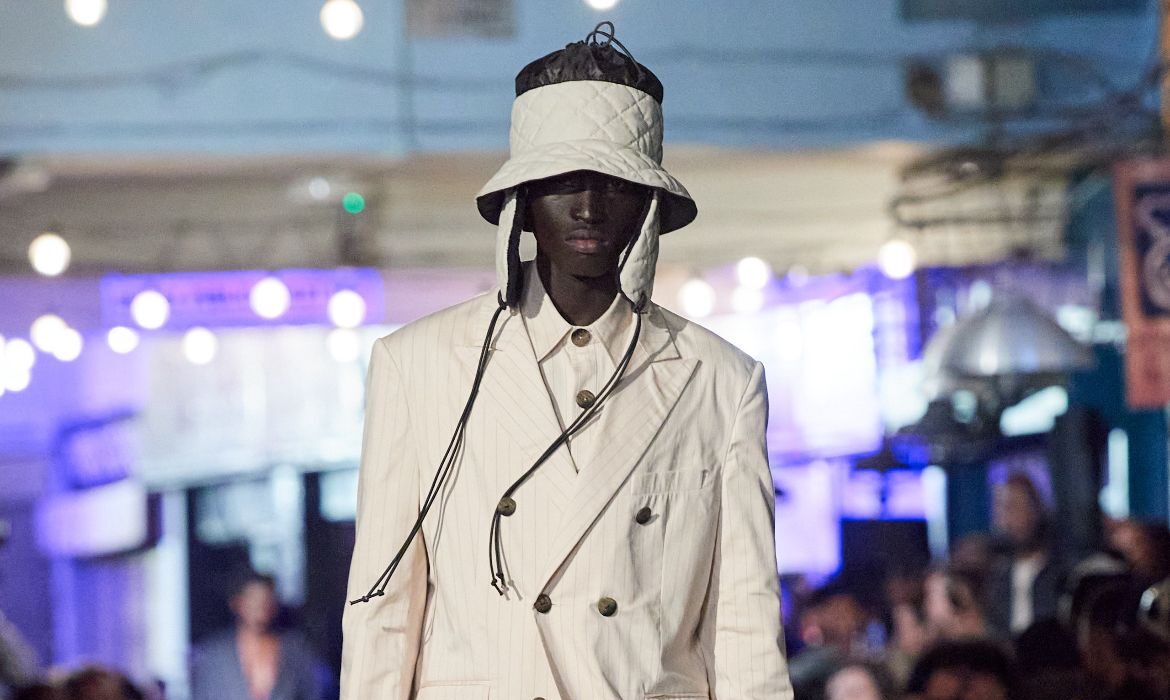
In 2024, African fashion has firmly established itself in the global luxury market, with brands like Labrum London, Rich Mnisi, Priya Ahluwalia, Kilentar, Kenneth Ize, and Thebe Magugu making waves on prestigious runways around the world. These designers seamlessly blend rich African traditions with modern luxury, creating collections that resonate with global audiences. Their ability to fuse contemporary design sensibilities with heritage elements showcases Africa’s growing influence in high-end fashion. One standout example of this fusion is the collaboration between African heritage designers and Arsenal FC to produce culturally inspired football shirts, which have found success beyond sports, bridging the gap between African design, sportswear, and luxury fashion. This collaboration speaks to the adaptability and global appeal of African design, underlining the versatility of African luxury fashion across industries.

Kantamanto Market
Ghana’s Kantamanto Market, the second-largest secondhand market in the world, embodies both opportunity and adversity in African fashion. On one hand, it serves as a vital economic engine, providing jobs and income. On the other, it bears the weight of the global textile waste crisis. Each week, up to 15 million items of clothing arrive from the Global North, a deluge that sustains the market but also underscores the excesses of overproduction. Alarmingly, around 40% of these garments are discarded due to poor quality or lack of demand, turning waste into an unavoidable reality.



Yet, Kantamanto is far more than a repository for discarded textiles. It stands as a testament to African resilience and creativity, where the discarded becomes desirable. Traders meticulously sort through the influx, tailors refashion outdated pieces into contemporary styles, and repurpose fabrics into entirely new products.
Organisations like The Or Foundation have been instrumental in shining a light on the challenges facing Kantamanto, advocating for responsible consumption and improved waste management practices. Their work highlights the need for systemic change in the global fashion industry to reduce waste at its source. Kantamanto symbolises Africa’s ability to confront global challenges with bold solutions, turning obstacles into opportunities and paving the way for a more sustainable future in fashion.
Labour rights and EU enforcement in 2024
As global standards for labour rights tighten, 2024 marks a turning point for African apparel manufacturers. The European Union’s (EU) enforcement of stricter labour regulations will bring both challenges and opportunities. For African manufacturers, compliance with these regulations is crucial to maintaining access to European markets. Companies that adhere to fair wage standards and improved working conditions can enhance their reputation as ethical sourcing destinations, which in turn could bolster their position within global supply chains. On the other hand, non-compliance could result in exclusion from lucrative markets, causing significant setbacks, especially for small-scale producers. The upcoming changes encourage African manufacturers to embrace fair labour practices and ethical sourcing as part of their commitment to sustainability, helping to promote Africa as a fair and ethical player in the global fashion industry.
The rise of cotton farming across Africa
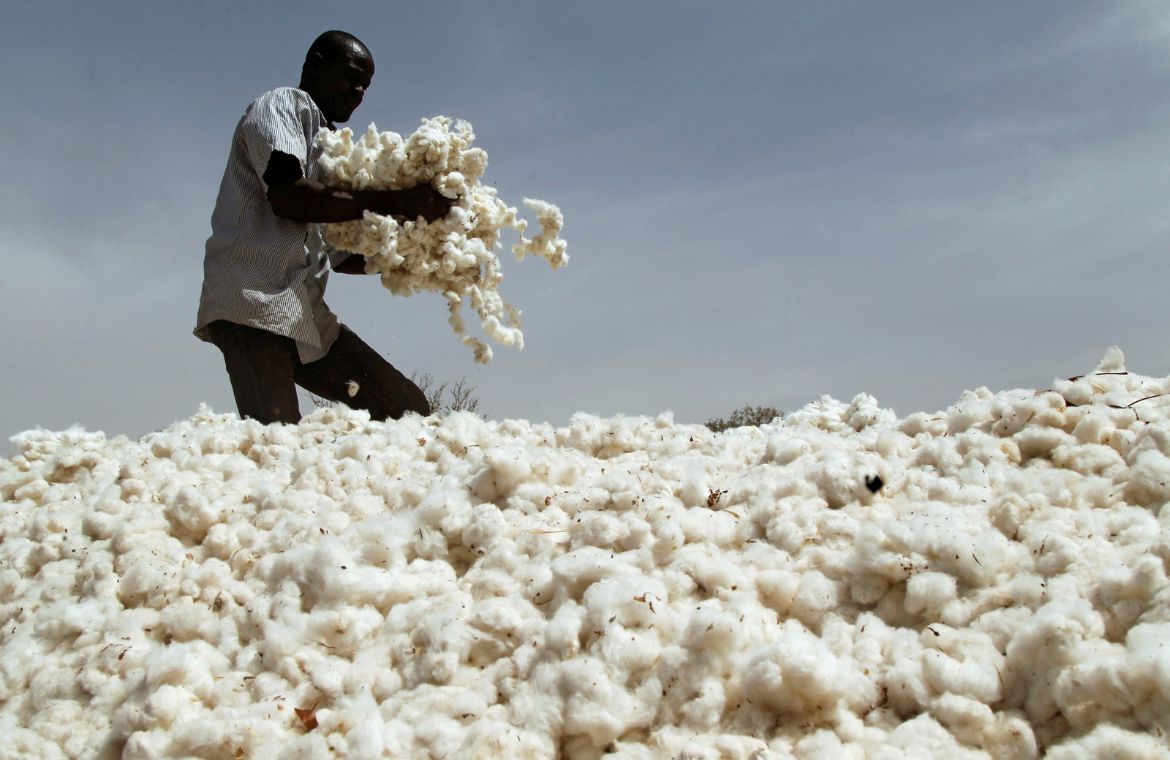
The resurgence of cotton farming in Burkina Faso, Mali, and Togo is another notable trend in 2024. Cotton, once a staple crop across the continent, is playing an increasingly important role in Africa’s economic growth. The expansion of cotton farming is providing local farmers with jobs, while simultaneously fuelling a growing textile industry within the continent. As cotton grows in demand, local industries are shifting towards more sustainable agricultural practices, contributing to Africa’s broader industrialisation efforts. This growth signals a long-term shift in the textile industry, as the region positions itself as a key supplier of raw materials for both domestic and global fashion markets. The next few years could see Africa become a hub for ethically sourced, sustainable cotton that can support local economies while meeting global demand.
Africa’s Music Influence on Fashion
African music continues to be a major driving force behind global fashion trends in 2024. Artists like Burna Boy, Wizkid, Tyla, Popcann, Skepta and Pa Saliu have transcended their musical roots to collaborate with major fashion brands such as Hugo Boss, GAP, and Puma. These collaborations merge African aesthetics with contemporary fashion, resulting in collections that blend bold prints, vibrant colours, and traditional craftsmanship with modern trends. The popularity of Afrobeats, Amapiano and other African music genres around the world has amplified the influence of African style, which is celebrated through these collaborations. Music videos and live performances. These moments of visibility bring African design to global audiences, reinforcing the continent’s growing status as a fashion powerhouse.
Digital and Meta Fashion in Africa
The digital revolution is shaping the future of African fashion. 2024 has seen a surge in digital fashion and NFT collections, with designers like Aba Wills and Thrill Digital pushing the boundaries of technology and fashion. Virtual runways and augmented reality (AR) fashion shows are becoming increasingly popular, allowing African designers to showcase their creations to global audiences without geographical limitations. NFTs and blockchain technology are also enabling African designers to monetise their digital creations in innovative ways, reaching tech-savvy fashion enthusiasts worldwide. This movement represents a new frontier for African digital artistry, positioning the continent as a leader in the intersection of fashion, technology, and sustainability.
Celebrating mature beauty in fashion
In 2024, the conversation around beauty standards is shifting as older influencers are gaining visibility. Figures like Matgey Chola, the Zambian grandmother known as Legendary Glamma, and Bus Auntie (Bemi Orojuogun) are redefining the way we view age in the fashion industry. These influencers, who have become viral sensations, are advocates for major brands like Jacquemus , proving that beauty and style have no expiration date. Their elegance and timeless charm are reshaping perceptions of beauty and proving that style transcends age. The rise of mature beauty influencers highlights the importance of inclusivity and diverse representation in fashion, challenging industry norms and promoting a more inclusive vision of beauty.


Eco-design in Africa
Long before the EU’s Ecodesign for Sustainable Products Regulation (ESPR) came into effect in 2024, Africa was already championing sustainable fashion. WasteAid’s textile reuse programs in Uganda and the upcycling initiatives at Lagos Fashion Week and Dakar Fashion Week are examples of how Africa has been proactive in addressing the growing textile waste crisis. These initiatives focus on diverting textile waste from landfills, repurposing it into new products, and promoting circular economies. Made in Kenya, Ghana Foundation, and other organisations have been at the forefront of this movement, encouraging the adoption of sustainable practices in fashion. Africa’s role in sustainable fashion continues to evolve, demonstrating the continent’s commitment to environmental preservation and responsible production.
Ethiopia’s Apparel Manufacturing
Ethiopia is positioning itself as a major player in the global textile and apparel manufacturing sector. The country is expanding its manufacturing capabilities, with the construction of new apparel production sites. In 2024, a landmark $28 million deal was signed with the United Nations Industrial Development Organisation (UNIDO) to foster growth in Ethiopia’s textile and garment sectors. This deal is expected to stimulate economic growth, create jobs, and position Ethiopia as a significant hub for apparel manufacturing. The country’s growing industrial capacity is part of Africa’s broader push toward economic diversification, with fashion and manufacturing at the forefront of these efforts.
(Written and Edited by Liz Aderinola)