

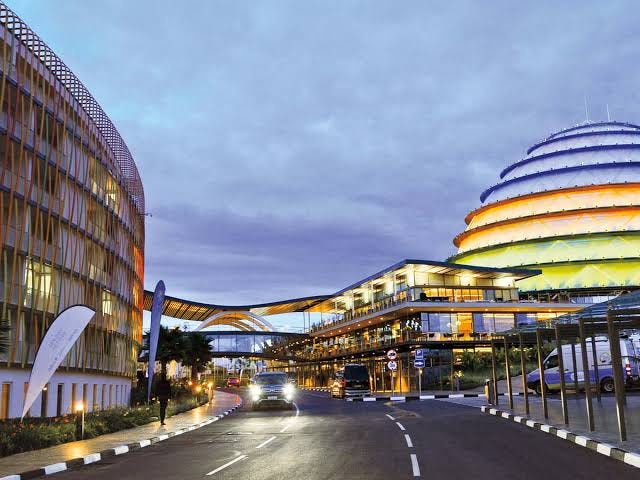
Kigali, the capital of Rwanda, has earned a remarkable reputation as Africa’s cleanest urban centre, becoming a model for urban transformation and sustainable development. This feat has been achieved through a combination of visionary leadership, innovative policies, and active community participation, positioning Kigali as a global case study for urban cleanliness and environmental management.
At the core of Kigali’s transformation lies the Rwandan government’s commitment to progressive urban policies. A landmark initiative was the nationwide ban on plastic bags introduced in 2008. This measure, known as the “law on prohibition of plastic bags,” drastically curtailed non-biodegradable waste, ensuring that streets and public spaces remained clean. Enforcement of the ban has been rigorous, with substantial fines and public education campaigns fostering widespread compliance.
A unique aspect of Kigali’s cleanliness is the practice of Umuganda, which translates to “coming together in common purpose.” Held on the last Saturday of each month, Umuganda is a mandatory community service activity where citizens participate in cleaning streets, planting trees, repairing public infrastructure, and other communal tasks. This practice not only ensures the city’s physical cleanliness but also instils a deep sense of civic responsibility and pride among residents.



Urban planning in Kigali has also played a pivotal role in its transformation. The city has prioritised pedestrian-friendly infrastructure, including the establishment of car-free zones such as the Kigali Car-Free Zone. These areas encourage walking and cycling, reducing vehicular emissions and contributing to cleaner air. Public spaces, green parks, and sustainable housing developments are well-maintained, further enhancing the city’s aesthetic appeal and liveability.
Waste management in Kigali is exemplary, with a robust system in place for waste segregation at the source. Residents are required to separate biodegradable waste from non-biodegradable materials, which are then collected by licensed operators. Organic waste is composted and used in agriculture, while recyclable materials are processed for reuse. This structured system minimises environmental pollution and maximises resource efficiency.
The government’s environmental policies extend beyond the urban landscape. Nationwide efforts have been made to rehabilitate wetlands, protect forests, and promote sustainable agricultural practices. In Kigali, the restoration of the Nyandungu Urban Wetland Park stands as a shining example. Once a degraded area, it has been transformed into a thriving ecological and recreational space that supports biodiversity while providing a tranquil environment for residents and visitors alike.
Kigali’s achievements have garnered international recognition. In 2018, Erik Solheim, then Executive Director of the United Nations Environment Programme, praised Kigali as “the cleanest city on the planet,” citing its litter-free streets and exemplary urban management. Additionally, the Economist Intelligence Unit has ranked Kigali as Africa’s most liveable city, underscoring its success in balancing cleanliness, infrastructure, and quality of life.
The city’s transformation is underpinned by a governance model that emphasises accountability and citizen engagement. Local leaders work closely with residents to ensure compliance with environmental regulations, such as the plastic bag ban and proper waste disposal. This partnership between the government and its citizens fosters a culture of mutual responsibility that sustains Kigali’s status as a clean city.
However, Kigali faces challenges as it continues to grow. Rapid urbanisation and population expansion are placing pressure on the city’s infrastructure and resources. With a population exceeding 1.6 million and projected to grow significantly, Kigali has adopted a forward-looking urban development plan focusing on smart city initiatives, renewable energy, and climate-resilient infrastructure. These measures aim to ensure that Kigali remains a model of sustainability while accommodating its expanding population.

Kigali’s journey offers valuable lessons for cities across Africa and the world. Its success demonstrates that with effective leadership, community involvement, and a commitment to sustainability, urban challenges can be overcome. The incorporation of cultural traditions like Umuganda highlights the importance of fostering a sense of shared responsibility and community pride in achieving lasting change.
As Africa continues to urbanise at an unprecedented pace, Kigali stands out as a beacon of hope and inspiration. Its transformation from a city grappling with post-conflict recovery to one of the cleanest and most liveable urban centres globally is a testament to the power of vision, determination, and collective effort. Kigali’s story answers the question of how cities can become cleaner, more sustainable, and more inclusive—through innovation, collaboration, and a shared commitment to progress.


